



As an underclassman, Sophia Smith, ‘26, ‘27G, walked into Lehigh’s Autism Services Clinic with a goal: to help children with developmental disabilities feel supported and understood.
At the time, Smith was undecided in her major and career path. Three years later, she credits the clinic for shaping her decision to become a board certified behavior analyst.
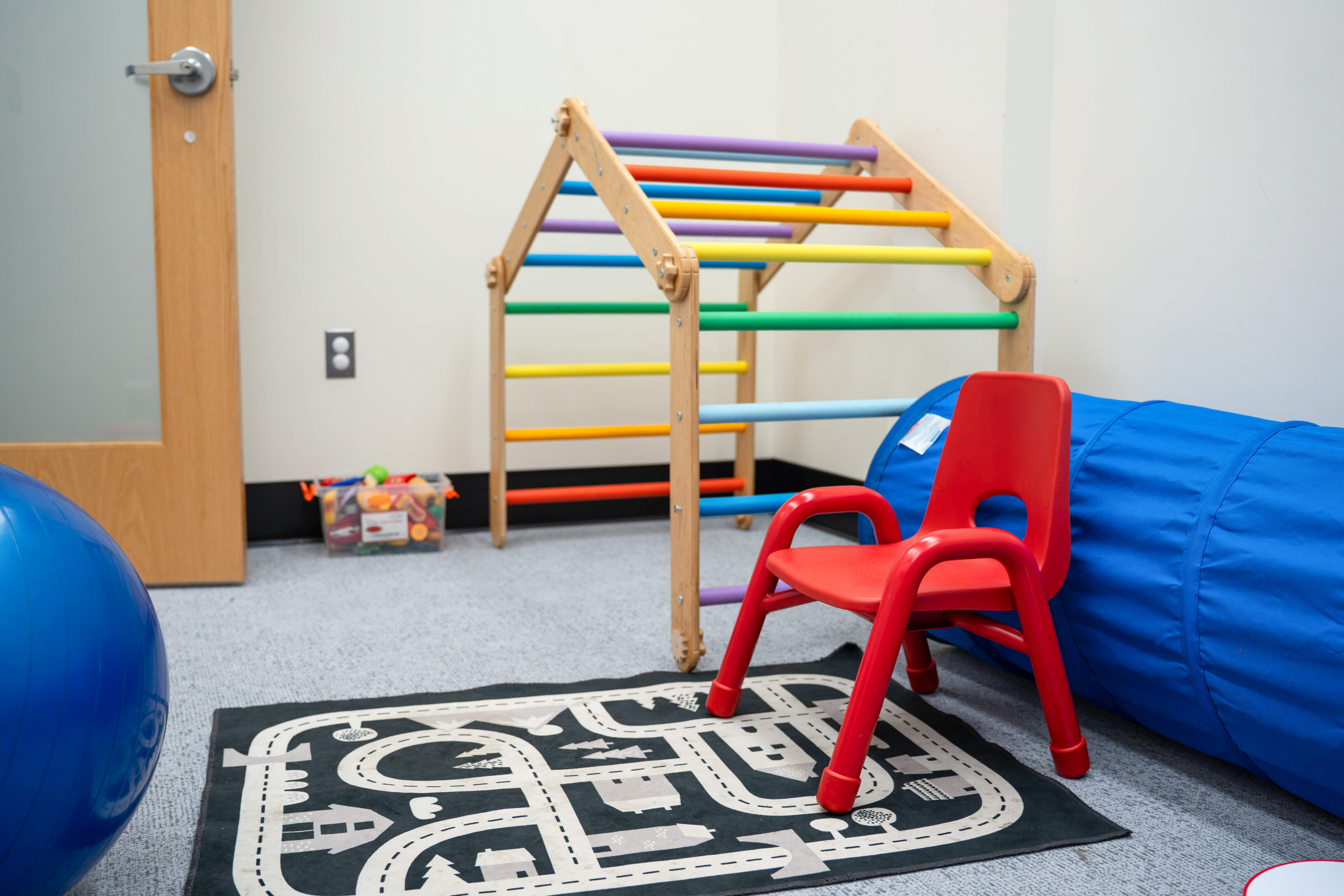
Lehigh’s Autism Services clinic opened in 2018, intending to use research-based practices to provide services for children with autism in the Lehigh Valley. It’s housed in the Center for Promoting Research to Practice in the College of Education on Mountaintop Campus.
Through one-on-one therapy and avoiding a one-size-fits-all approach, their services target improvement in communication, socialization and behavioral skills for children with autism.
Smith said the services fall into two main categories: behavioral support and skill acquisition.
“I think that the field of behavior analysis is this perfect intersection of working with kids using behavioral psychology and actually applying it, and also making a difference in the kids’ lives,” Smith said.
After graduating with a bachelor’s degree in psychology from Lehigh this past May, Smith is on track to earn her master’s degree through Lehigh’s 4+1 behavioral analysis program in the College of Education.
Smith currently serves as a registered behavioral technician, where she implements the analyst’s interventions with the children.
Behavioral technicians are undergraduate or graduate students working with autistic children in the clinic, at the child’s home or at school. Smith’s job is to follow the protocol written by the behavior analysts and implement it during sessions.
The first client Smith said she worked with was in preschool, where she aimed to teach the child how to utilize strategies in a school environment.
When they began working together, the client didn’t typically communicate with words.
By the end of two years at the center, Smith said the child was able to express their emotions through heartfelt statements.
Smith said the child told her that they loved her and were going to miss her.
Lee Kern, professor and director of the center for promoting research to practice, said the clinic has had many success stories over the years.
Kern shared an example of a child who couldn’t communicate through speaking and struggled to control their emotions when asked for a colored pencil. After going through therapy, the child is now able to verbally communicate and better regulate their emotions.
“Overall, we’re very happy if we improve the family’s quality of life,” Kern said.
Director Jennifer Lauriello said the clinic’s main focus is naturalistic intervention, which embeds learning strategies into natural environments for the children. The clinic also emphasizes family or caregiver involvement during training to stimulate communication in the home.
Lauriello said incorporating families into developmental plans can promote overall adaptive living.
“We want the caregivers involved in our sessions so they can also learn how to use all of our programs and interventions,” Lauriello said. “Then provide that consistency outside of the sessions as well.”
With families involved during sessions, they can target specific goals for their child, such as building socialization skills with their siblings.
At the clinic, parents also have the option to watch their child’s session on a TV in a conference room, without being physically present in the session.
Lauriello said many children begin therapy around preschool age when they’re using minimal language. The ultimate goal is for clients to start using more words when communicating with their families.
Smith said that finding a positive way to interact is unique to each child. In her experience, building trust is dependent on observing and being intentional with learning their preferences.
“We like to collect a lot of data, so we look at how much language they are using, and how often they use words independently, or how independent they are with other skills that we’re teaching,” Lauriello said.
Alongside working with children, the clinic conducts extensive research to further their evidence-based practices.
For the first year after opening, parents of clients were asked for feedback on the services to help develop the clinic’s model and ensure the effectiveness of their practices.
Kern said that as the clinic grew, training became more structured.
The clinic offers many active initiatives, including a community learning series that was established a year and a half ago.
Kern said the clinic has been working with disability support services to start a structured curriculum. This initiative helps students with autism overcome challenges faced at Lehigh.
Every six months, the clinic hosts a speaker for a symposium or workshop that’s free and open to the public, typically held on Fridays at noon.
The clinic plans to expand the number of undergraduate and graduate students who are involved with the clinic.
Lauriello said many students who work at the clinic come from various disciplines and have no prior experience working with autistic children. Students who are interested may reach out to Orina Mangano, the clinic coordinator, or fill out a form on their website.
Comment Policy
Comments posted to The Brown and White website are reviewed by a moderator before being approved. Incendiary speech or harassing language, including comments targeted at individuals, may be deemed unacceptable and not published. Spam and other soliciting will also be declined.
The Brown and White also reserves the right to refuse the publication of entirely anonymous comments.