



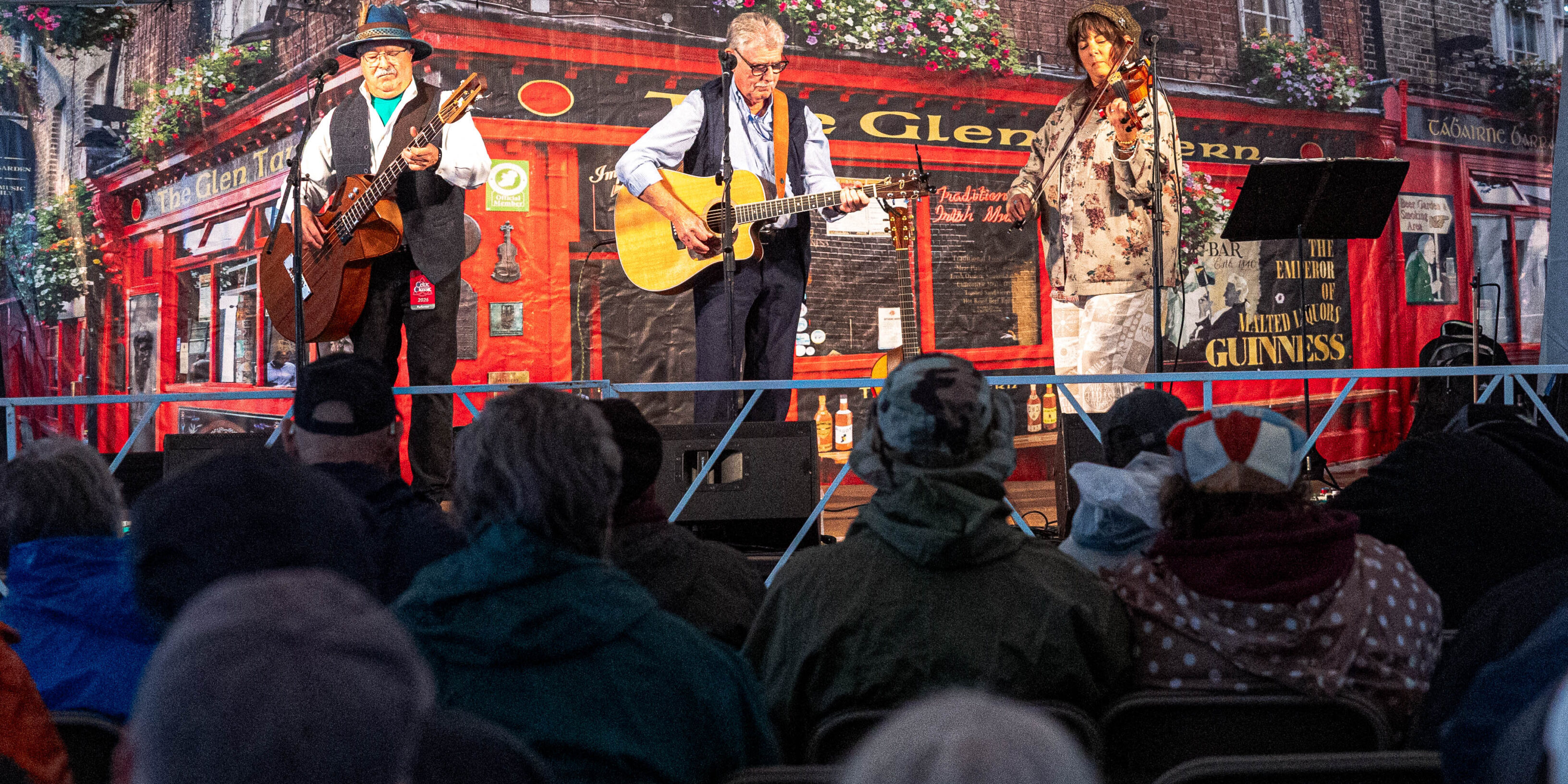
Bagpipes echoed through downtown Bethlehem as crowds moved between Irish dancers, Celtic musicians, food vendors and Highland athletes competing in traditional games.
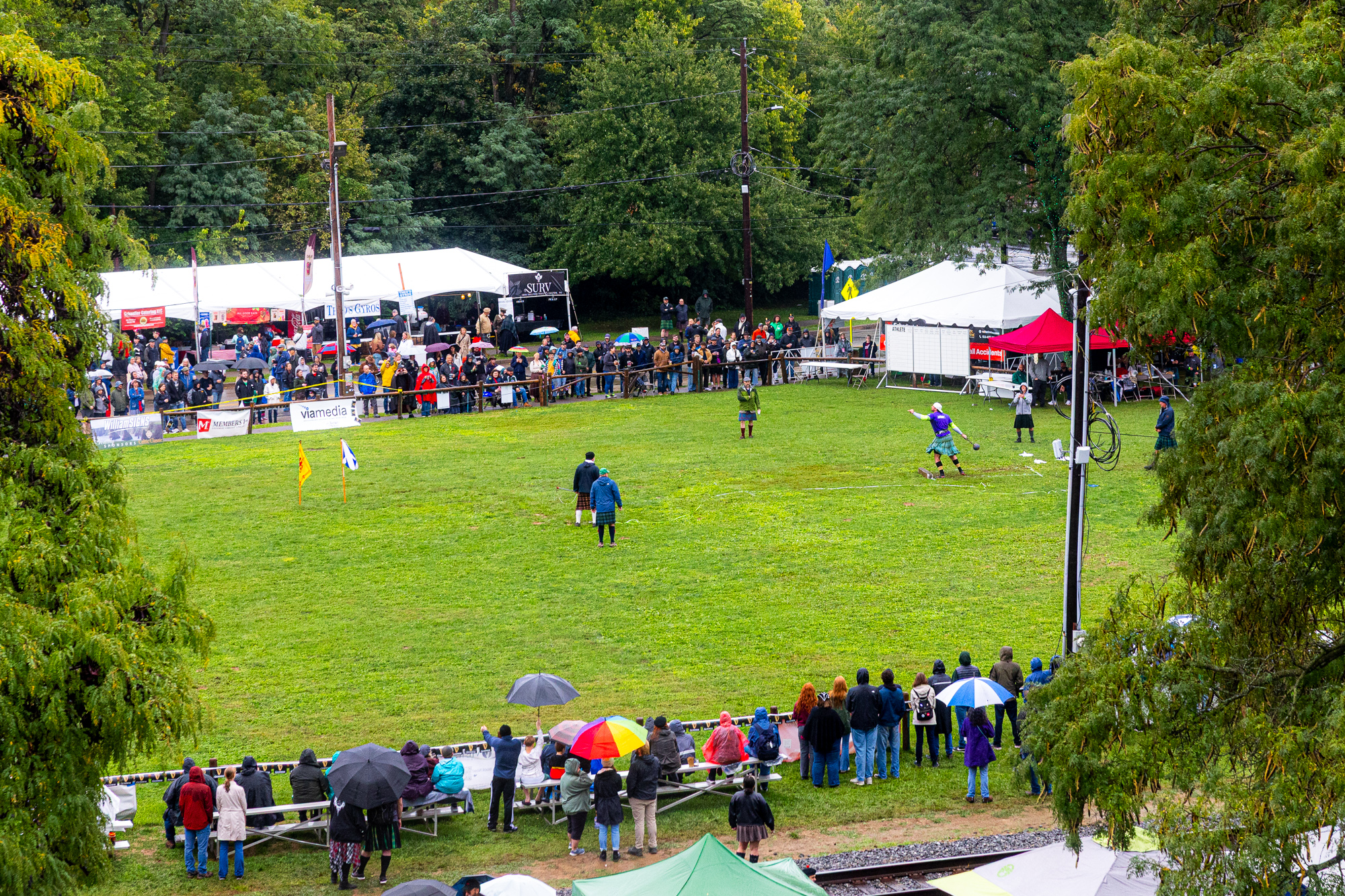
The smell of festival food drifted through the streets as competitors lifted heavy stones, tossed tree trunks and tested their strength during the annual Celtic Classic.
For three days, the Celtic Classic Games and Festival brought together traditions from across the Celtic world.
Beyond the weekend’s performances and competitions, the Celtic Classic represents something that’s been developing in Bethlehem for decades: a cultural identity shaped by immigration, community organizations and generations of people.
For Neville Gardner, that effort began after he moved from Northern Ireland to Bethlehem in 1978.
Gardner came to the Lehigh Valley after meeting his future wife during a field hockey tournament in Toronto. He’d recently graduated from Queen’s University Belfast with an engineering degree and was working as a civil engineer.
When Gardner first arrived to Bethlehem he said he was struck by how little Celtic people seemed to know about their heritage.
Yet, Celtic roots play part of a much larger story. South Bethlehem’s history is shaped by many immigrant communities.
During the late 19th and early 20th centuries, industrial growth drew immigrants from across Europe to the South Side, where immigrant communities built churches, clubs and other organizations to maintain cultural ties.
Irish immigrants were among those who arrived, especially as railroads expanded through Bethlehem.
According to Garner, Celtic heritage became one part of Bethlehem’s neighborhoods shaped by many cultures, rather than existing separately from them.
He said he became more connected to Celtic heritage after opening Donegal Square, a Celtic gift shop, in 1985. Garner said he started the business partly because it allowed him to travel to Ireland regularly to visit his ill father while bringing Irish and Celtic products and culture to Bethlehem.
“Taking advantage of my knowledge and heritage was the way to go,” Gardner said.
Donegal Square eventually became more than a retail store. Its current Main Street location expanded into a cultural destination, including McCarthy’s Red Stag Pub and Whiskey Bar. The business, according to its website, describes its mission as connecting visitors with Celtic heritage, customs and history.
The Celtic Classic was founded from a similar desire to make heritage accessible.
Gardner said a local businessman, Bob Virgilio, approached him with the idea of creating a Celtic festival. Virgilio was of Italian heritage and, according to Gardner, didn’t know much about Celtic culture but was interested in bringing a celebration to Bethlehem.
The two organizers gathered representatives from different Celtic communities, including Scottish, Welsh and Irish organizations.
The goal wasn’t to focus on divisions within Celtic communities but to bring them together.
“Leave the politics out of it,” Gardner said. “Celebrate the cultures.”
However, the festival didn’t immediately find its footing.
He said the first Celtic Classic was held in October of 1988 and was met with temperatures around 31 degrees Fahrenheit. The event lost money, prompting organizers to reconsider the timing.
“We went back to the drawing board,” Gardner said.
He said they eventually moved the festival to the final weekend of September, a decision based on historical weather data. The festival thrived and eventually became a major annual event in downtown Bethlehem.
Its reach now extends beyond connecting people with direct Irish or Scottish ancestry.
The Celtic Cultural Alliance now describes the festival as its flagship event and says its broader mission is to promote and preserve Celtic culture through arts, music, literature, dance and history programs. The organization also offers scholarships for young students studying Celtic arts.
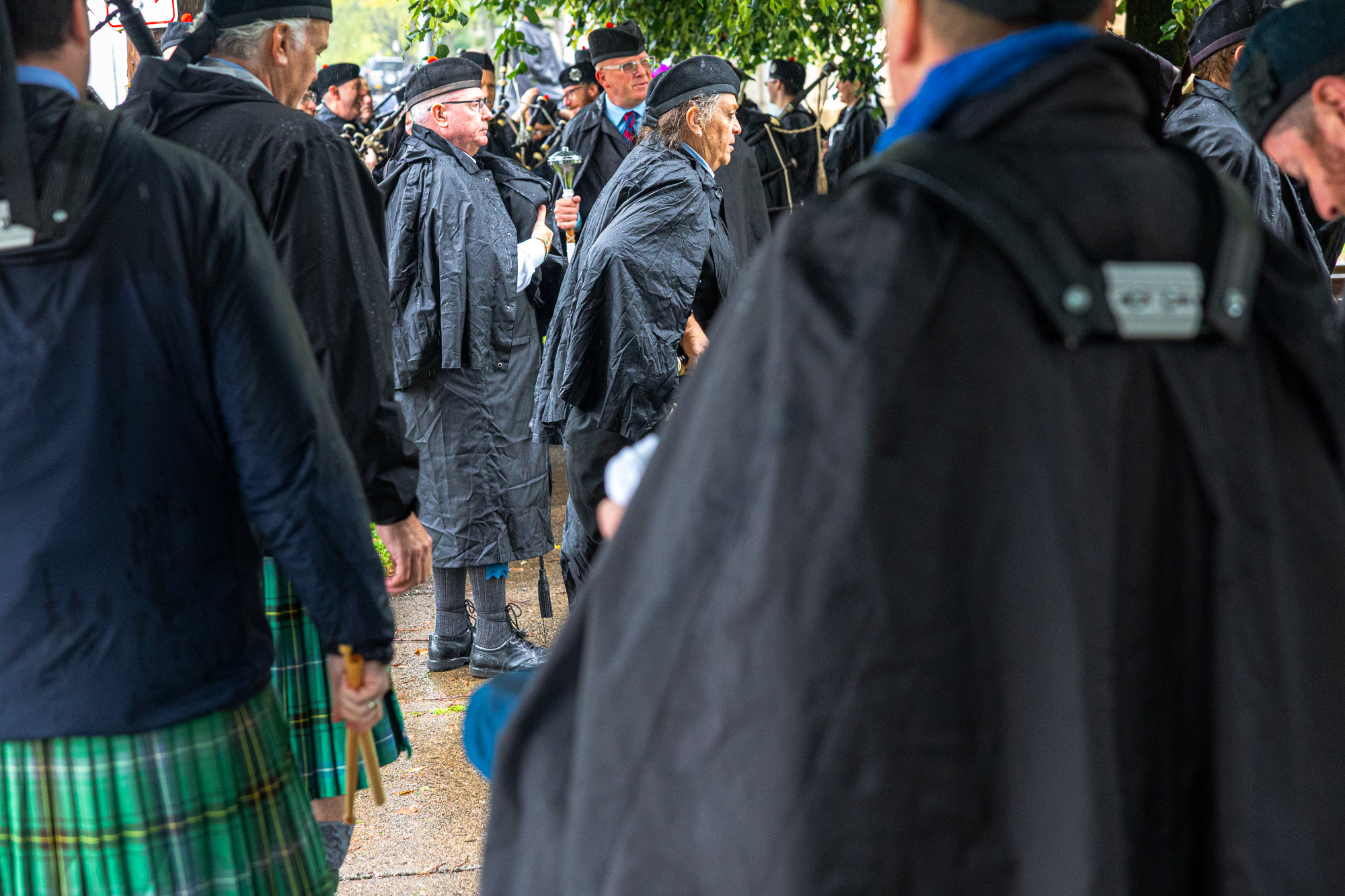
Katie McGonigal, a bagpipe performer from Kearny, New Jersey, said she’s been attending the Celtic Classic since she was a child.
Her family’s involvement in the St. Columcille United Gaelic Pipe Band spans generations, with her great-grandfather, who helped start the band and her father and sister also participating.
For McGonigal, the festival has always been about more than the competitions. She remembers being struck by the mix of people who gathered around them.
“When I was a kid, I was always impressed to see all the different types of people that will come out to these Celtic festivals,” she said.
McGonigal has watched groups ranging from bagpipers to cosplay and Renaissance Faire-style participants become part of the festival environment over the years.
Traditions have evolved to represent blended communities while maintaining recognizable and original characteristics.
The festival provides a place for people with family connections to Celtic culture to maintain traditions, while also giving people without those backgrounds an opportunity to encounter them.
For some families, that connection lasts for decades.
Sue DeRose, a Bethlehem Township resident, has attended the festival for about 30 years. She said she returned this year because her granddaughters, who study Irish dance at the O’Grady Quinlan Irish Dance School for six years, were performing.
DeRose said the festival is a familiar gathering place to see friends, listen to music and experience Celtic food and performances.
“Everybody loves coming because it’s a nice, smaller festival, and it’s just really fun,” DeRose said.
Gardner said he sees continued interest in the festival as part of a larger cultural shift. Irish, Scottish and British culture has become increasingly accessible to Americans through travel, television, sports and social media, and the festival gives people an opportunity to experience this culture closer to home.
Bethlehem’s Celtic identity, however, remains tied to the people who intentionally created places for that culture to exist.
Gardner said he’s proud of his heritage and wants to use his businesses and cultural work to introduce people to Northern Ireland and its traditions.
“Bethlehem’s my home, but Northern Ireland’s still my home as well,” he said.
Comment Policy
Comments posted to The Brown and White website are reviewed by a moderator before being approved. Incendiary speech or harassing language, including comments targeted at individuals, may be deemed unacceptable and not published. Spam and other soliciting will also be declined.
The Brown and White also reserves the right to refuse the publication of entirely anonymous comments.