




Lehigh Student Senate reviewed 25 organizations seeking club recognition during its meeting Tuesday. It approved 17 and denied eight based on application requirements and participation in the review process.
The decision highlighted the requirements student organizations must meet to gain Senate recognition: clear goals, defined leadership roles and plans to recruit members.
The review process evaluates how clubs intend to serve the Lehigh community and sustain their activities.
Each organization was evaluated using a rubric. The rubric covered mission statements, executive board structure, goals for the trial period, recruitment strategies, how they’ll benefit the Lehigh community, communication plans and passion and commitment.
Clubs received the rubric and interview questions a few days beforehand to help them prepare for their presentation. Clubs were asked to answer 13 questions in their presentations, which were strictly capped to 15 minutes. Every member of the clubs’ executive board was required to attend the interview.
Kelly Wu, ‘27, a senator on the Club Affairs Committee, said the same rubric guided senators’ scoring during the interviews.
“We took notes on what they were saying, and directly correlated that to a score for each of the sections,” Wu said.
The senators scored club applicants across seven categories, with the lowest possible score a club could earn being zero and the highest being 15. Clubs needed a minimum score of 70 to pass.
Wu said the categories are intended to assess whether an organization can turn its enthusiasm into something lasting.
Raquel Romero, ‘27, chair of the club affairs committee, said applications begin with documents outlining an organization’s mission, constitution, executive board structure, adviser and preliminary membership.
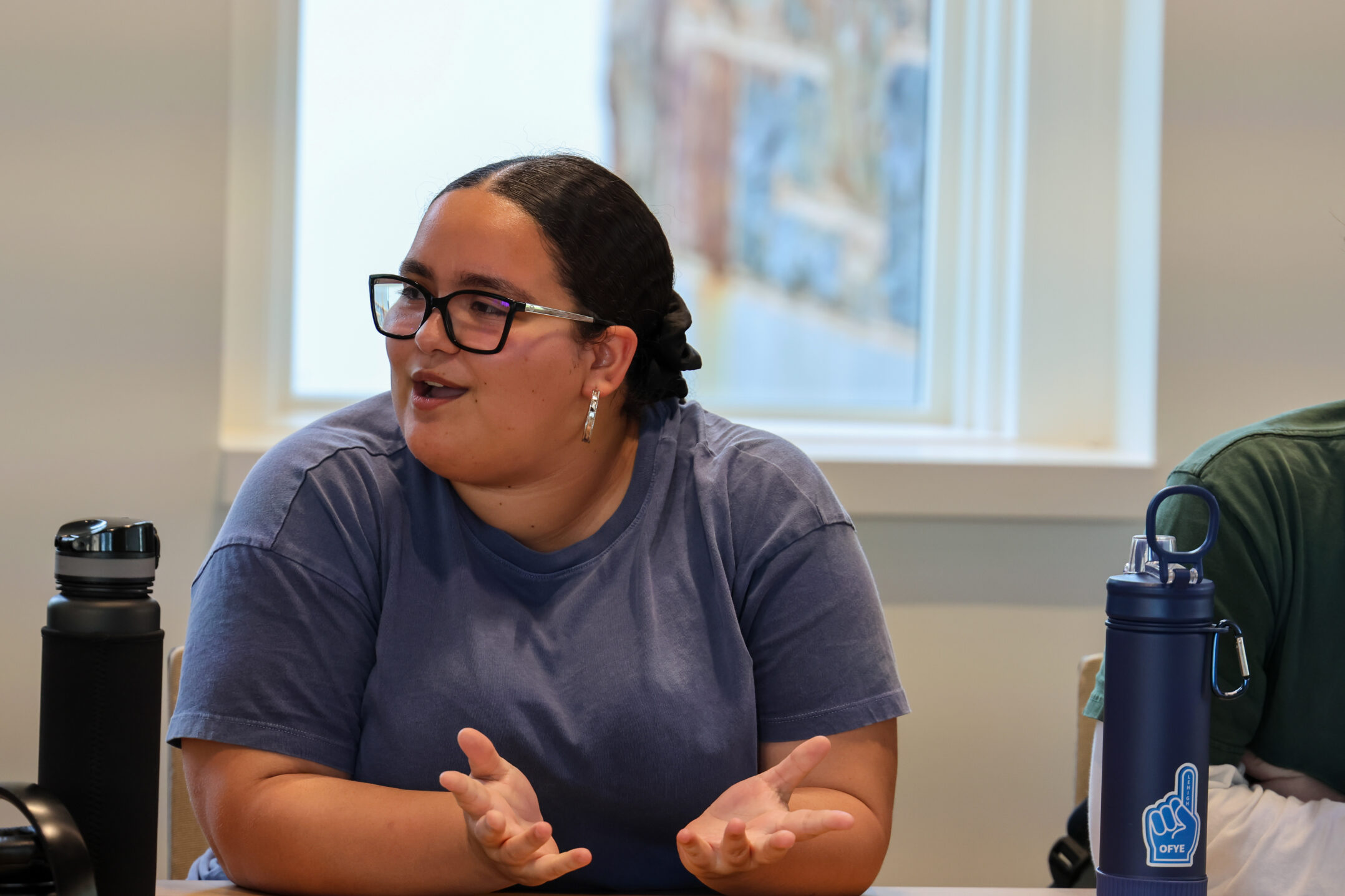
The committee reviews materials and confirms the faculty or staff adviser before conducting an interview.
Romero said the committee considers whether a proposed organization overlaps with clubs already on campus.
“We don’t want a lot of repeating clubs on campus or if a club already exists and (the new club) just didn’t know about it, we let them know,” she said.
Romero said leadership structure and recruitment plans also help the committee evaluate whether an organization can sustain itself.
“We also judge them based on their executive board structure, making sure that they have enough positions where it’s not overloading one person or easily burnt out,” Romero said. “We don’t want a club to get approved and then cease to exist afterwards.”
One example of a club that wasn’t approved was Lehigh Students Demand Action, which is the campus chapter of a national movement of students campaigning to end gun violence. According to an article published in The New England Journal of Medicine, firearms are a leading cause of death among young people
The Senate denied the organization recognition. The reasons presented during the meeting included a lack of SMART goals, an undefined recruitment plan and limited engagement from executive board members.
SMART goals are specific, measurable, achievable, relevant and timeful objectives.
The decision prompted disagreement among senators. One senator questioned the decision and cited gun violence as a pressing issue.
Another senator said all clubs must present clearly defined goals, and the organization’s presentation didn’t meet that requirement.
Simone Levy, ‘29, a senator on the student outreach committee, said a structured process can leave some considerations unaddressed.
“I think it’s a very structured process,” Levy said. “And because of that, sometimes other important factors aren’t taken into account, like how important a club might be just because certain things aren’t met.”
Although Levy said the process risks overlooking a club’s importance, she said the process was established to keep evaluations fair and consistent. She said this applies even when clubs were disappointed with their scores.
Other organizations were denied recognition over concerns about planning or incomplete participation.
Lehigh Meditation Club was denied because of its goals and board structure. Lehigh Scouting Club was denied because of its goals, recruitment strategy and communication plan.
Women for Wellness didn’t attend its interview. The Cooking, Mixology and Permaculture organizations, along with the Lehigh University Chapter of the International Society for Pharmaceutical Engineering didn’t sign up for interviews.
“We did, unfortunately, have a couple organizations get denied just based on not signing up for preliminary interviews and really continuing through the process,” Romero said.
Romero said each interview includes at least two senators. Club Affairs senators also received training to prevent personal affiliations and biases from influencing their evaluations. This included religious and political affiliations.
Among the approved organizations were BridgeUSA, German Club, Lehigh Turkish Student Association and Lehigh Puerto Rican Student Association.
The next Student Senate meeting is on Oct. 6.
Comment Policy
Comments posted to The Brown and White website are reviewed by a moderator before being approved. Incendiary speech or harassing language, including comments targeted at individuals, may be deemed unacceptable and not published. Spam and other soliciting will also be declined.
The Brown and White also reserves the right to refuse the publication of entirely anonymous comments.