



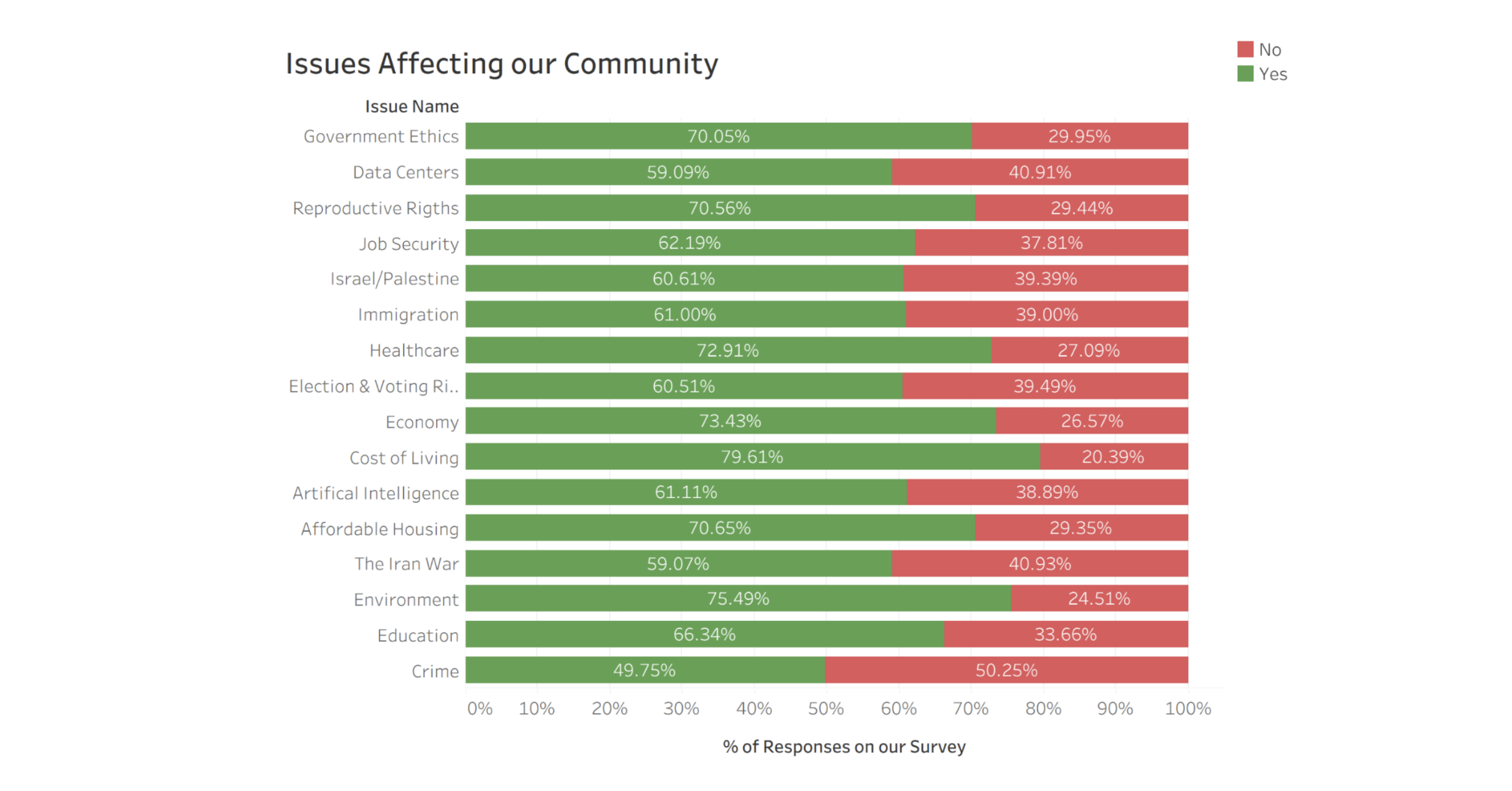
Lehigh falls within Pennsylvania’s 7th House District, which is hotly contested in this midterm election cycle.
Republican Ryan Mackenzie beat Democrat Susan Wild in 2024, ending her representation run that started in 2018.
Democratic Candidate Bob Brooks is challenging Mackenzie in this year’s race, and both parties have directed millions of dollars to their campaigns according to Yahoo News. With these extra funds comes more media attention, and all eyes are on the Lehigh Valley.
Organizing at the Grassroots
Brooke McDermott is an elected judge of elections for the 12th Board of Elections, Second District, and is registered as a Democrat. She has lived in the Lehigh Valley since 2013 and voted in Pennsylvania for the first time in 1980 when she was a student at Muhlenberg College.
She was named to the Morning Call’s “Most Influential People in the Lehigh Valley” list for her leadership through Indivisible Lehigh Valley Bethlehem, a national organization founded in response to the Trump administration.
McDermott said she helped found the Lehigh Valley Chapter after Trump was elected the second time, and has remained passionate in supporting, affirming and maintaining democracy at all levels.
This midterm cycle, McDermott said Indivisible Lehigh Valley Bethlehem has hosted No Kings Protests across the Lehigh Valley and has joined efforts with the organization Common Cause, which aims to block regulations on mail-in ballots and maintain poll security.
McDermott said as residents of District Seven, one of three critical districts in the state of Pennsylvania, we’re critical in flipping the state. Bethlehem is divided into two counties, Northampton and Lehigh County, and Common Cause has deemed both as critical counties in this midterm cycle.
“At this point in history, we need to make sure that democracy prevails, that there is voter security at the polls, and to make sure that everybody’s vote counts and gets counted,” McDermott said.
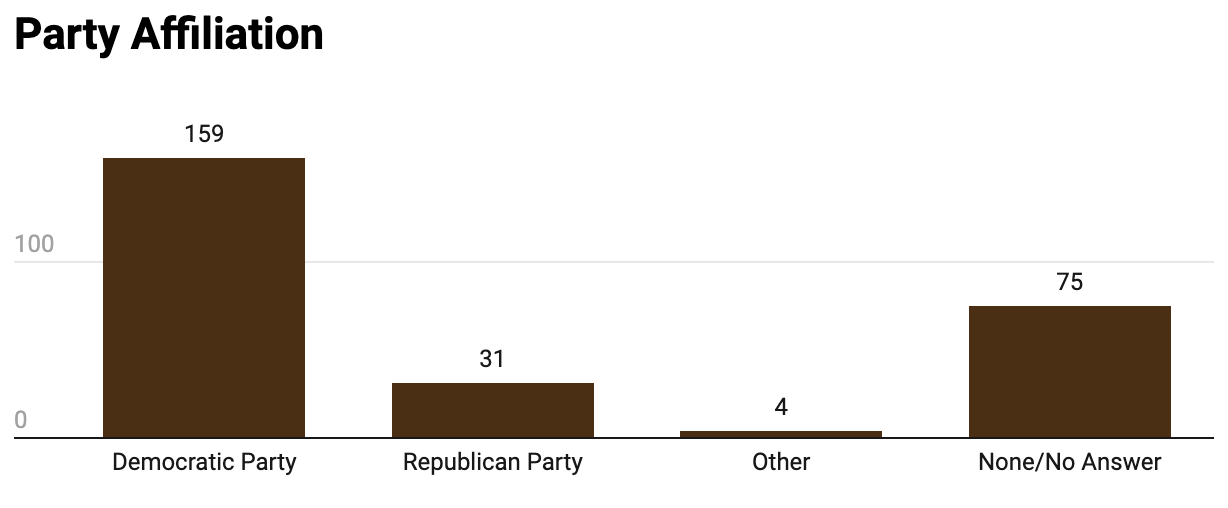
Although McDermott believes democracy can be used correctly in a two-party system, other residents and community members believe the government should be restructured completely to achieve true democracy.
David Birchmire, ‘29G, is a mental health counseling graduate student and president of the Counseling and Psychology club.
He first started his career as a campus police officer for Rowan University, but after 10 years in the force, he went on disability pension because of an eye condition.
After leaving the force, Birchmire went back to school to get his bachelor’s degree in theology, the study of religious belief and faith at Lancaster Bible College to become a recovery pastor. Although he said this career didn’t fit him, he said his passion for addictions, stemming from his hometown of Pennsville, New Jersey, and the high heroin addiction rates in Salem County, according to the New Jersey Department of Drug and Alcohol Use Treatment, pushed him towards counseling.
Now, at 45 years old, he’s currently in his first semester online through Lehigh and is registered as an independent in the state of New Jersey.
Birchmire said he thinks the U.S. has one “uniparty,” a system that never changes. He said when he turned 18, he was excited to vote, but now he’s seen that although politicians make promises, nothing changes.
“It’s basically a big club, and if you’re in that club, it doesn’t really matter if you’re a Democrat or Republican; it’s all the same,” Birchmire said. “Even if you look at Congress or the Senate, nothing ever gets done. It’s a total gridlock, but I think it’s by design. I think the system is set up to do nothing.”
Birchmire said he’s most concerned about inflation and war during this midterm cycle. He said he’s concerned for his future and the children of his two young daughters being able to afford the cost of living in the future.
He also said he has friends who fought in the first Gulf War after 9/11 and doesn’t think there’s good cause for war in general.
He said, as a substitute teacher in town, he knows many teachers driving for Uber after school just to get by.
“They’re delivering food and picking people up for car rides just to make extra money,” Birchmire said. “School teachers with master’s degrees have a second job delivering food because they can’t afford to live here.”
In Pennsylvania, Birchmire said the biggest issue this election cycle is the corruption that comes with politicians’ empty promises.
Birchmire said he doesn’t have much hope for the system being better, as our country is falling further into debt, and the states will begin to go bankrupt because they get their funding from the federal government.
He said he thinks either restructuring our current system or uniting against political parties are potential solutions.
“We have to unite as a population, as a populace,” Birchmire said. “We have to unite to get a lot of these people out of office.”
Birchmire said he supports the grassroots movement Quantum Party, founded by his friend Andrew Steinbart in Arizona.
He said the Quantum Party’s goal is to bring Americans from different backgrounds, cultures, demographics and political affiliations together to end war, ensure protection for the internet, make legislation about data privacy and reform the government based on the original principles of the U.S. Constitution.
Birchmire said he’s also concerned about censorship online. He said he has lost two X and two Facebook accounts for expressing his political views and hopes the Quantum Party’s idea to create a bill of rights for the internet can resolve this problem.
Voter education and access
Some voters want to completely overhaul our current political system and other groups are focused on helping inform people about their rights within it.
Cambriae Lee is the communications director for the Pennsylvania Chapter of the American Civil Liberties Union, an independent affiliate of the national organization. The union uses legal advocacy and communication to help ensure civil liberties, rights and freedoms are protected for all American citizens through the Constitution, the Bill of Rights and the Pennsylvania Constitution.
Lee is a resident of Philadelphia and has voted in Pennsylvania every year besides 2016, when she lived in Texas.
As communications director, Lee said she provides messaging to support the broader organization’s election protection and safeguarding work.
She said she communicates information that educates voters about their rights, how to utilize them and where to vote. The union aims to educate amidst misinformation that may deter voters.
Lee said the Pennsylvania Chapter of the ACLU conducted research this past midterm cycle regarding voter motivation. They specifically focused on voters ages 18-35, low-propensity voters and voters who have been historically disenfranchised. They asked questions about what gets voters to the polls, barriers to voting and sentiments towards the election in hopes of creating messaging to cater to their needs.
Lee said she sees statewide initiatives, especially from other organizations, to actively inform and encourage voters to turn out for this cycle.
“Especially in the time where we have seen a lot of abuse in power coming from the federal level and way more laser-focused attention on these midterm elections, organizations statewide have really answered the call to get out there and inform voters and encourage them to use their rights,” Lee said.
She said the chapter is dedicated to accessible voting and ensuring eligible voters can vote with confidence and with as few barriers as possible.
Lee said as a battleground state, the federal government is trying to cause distrust in this midterm election and our voting systems, including returning unredacted state voter rolls, a request that was turned down based on the Civil Rights Act of 1960.
“Looking at some of those things that are being done and the distrust that is trying to be sown with our elections, we see statewide the importance that voters know their rights,” Lee said. “They know where to find resources, they trust their local election officials who understand the importance of running safe, secure, accurate and fair elections.”
She also said our elections have audits and fail-safes, like provisional ballots, along with a decentralized system to allow all 67 counties to administer elections appropriately, and it’s important for residents to have trust in those systems.
Lee said she doesn’t want to speak on specific communities and their experiences, but looking at voters who have been historically disenfranchised or speak English as a second language, there are many misconceptions about what their rights are.
She said the union is dedicated to doing a better job of advertising where they can find the information and resources they need to ensure their votes get counted.
McDermott said due to the heavy Hispanic populations in Bethlehem, Easton and especially Allentown, Indivisible Lehigh Valley Bethlehem is focused on making sure there’s no interference with Hispanic voting in this election.
Lee said in some areas, including Philadelphia County, Bucks County and Lehigh County, there is a requirement that all voting materials and information be provided in both English and Spanish.
She said in Philadelphia, polls also have to provide voting materials in Mandarin Chinese. Anyone in the state, if they don’t speak English as their first language, can also have an interpreter translate the ballot for them.
Lee also said for communities affected by mass incarceration, the union is confronting inequities and ensuring they’re educated about voting if they are on probation, parole or in a halfway house.
“It’s a lot of debunking some of that misinformation that is out there, just to ensure that communities can make their own choices when it comes to their rights, and they can use those rights when the time comes,” Lee said.
The student vote
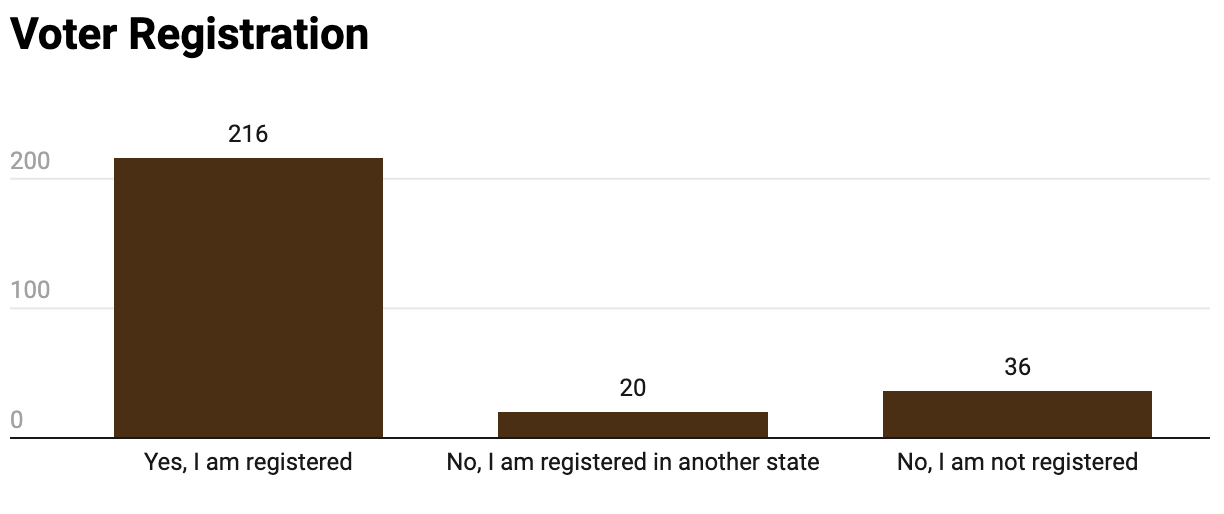
Whether Lehigh students and their votes matter in this upcoming midterm election is a heavily debated question.
McDermott said there has been a big push to get students involved in working the polls and voting because the issues at hand in this midterm transcend just one election.
“If you get involved, you can actually change parties, you can change systems,” McDermott said. “It’s just really important that young people, all folks, realize that really it’s a binary choice, and we need healthy parties in order to function as a democracy.”
Birchmire, on the other hand, said he doesn’t have a lot of faith that college students can change a lot due to the influence of baby boomers lobbying. However, he said this doesn’t mean college students shouldn’t get engaged.
“They should speak up,” Birchmire said. “Civil disobedience and protests peacefully, I think that’s wonderful and great, and you can get people’s attention.”
Lee said it’s disheartening to hear about some of the disillusionment younger generations have when it comes to the U.S. political systems and the distrust in politicians, especially when they are the future of democracy. Yet, she believes that a mindset shift can be the solution.
She also said she has confidence that the younger generation will begin to reframe their thoughts about voting and realize voting is essential for participation in democracy. According to Lee and the ACLU, 85% of Gen Zers still believe voting isn’t a waste of time. Lee said she hopes Gen Z capitalizes on other resources as well.
“There are also many other tools that they can access 365 days out of the year to reinforce that one vote when they go cast their ballot on election day or before election day if they’re using mail voting,” Lee said.
Lee said the union recognizes college students might have questions or concerns about voting, or even experience hurdles when trying to vote from campus. The organization encourages student voters to call the nonpartisan Election Protection Hotline (866-OUR-VOTE) for support or to report any challenges.
The Brown and White requested an interview with Tara Zrinski, Northampton County Executive, and didn’t receive comment.
Comment Policy
Comments posted to The Brown and White website are reviewed by a moderator before being approved. Incendiary speech or harassing language, including comments targeted at individuals, may be deemed unacceptable and not published. Spam and other soliciting will also be declined.
The Brown and White also reserves the right to refuse the publication of entirely anonymous comments.