



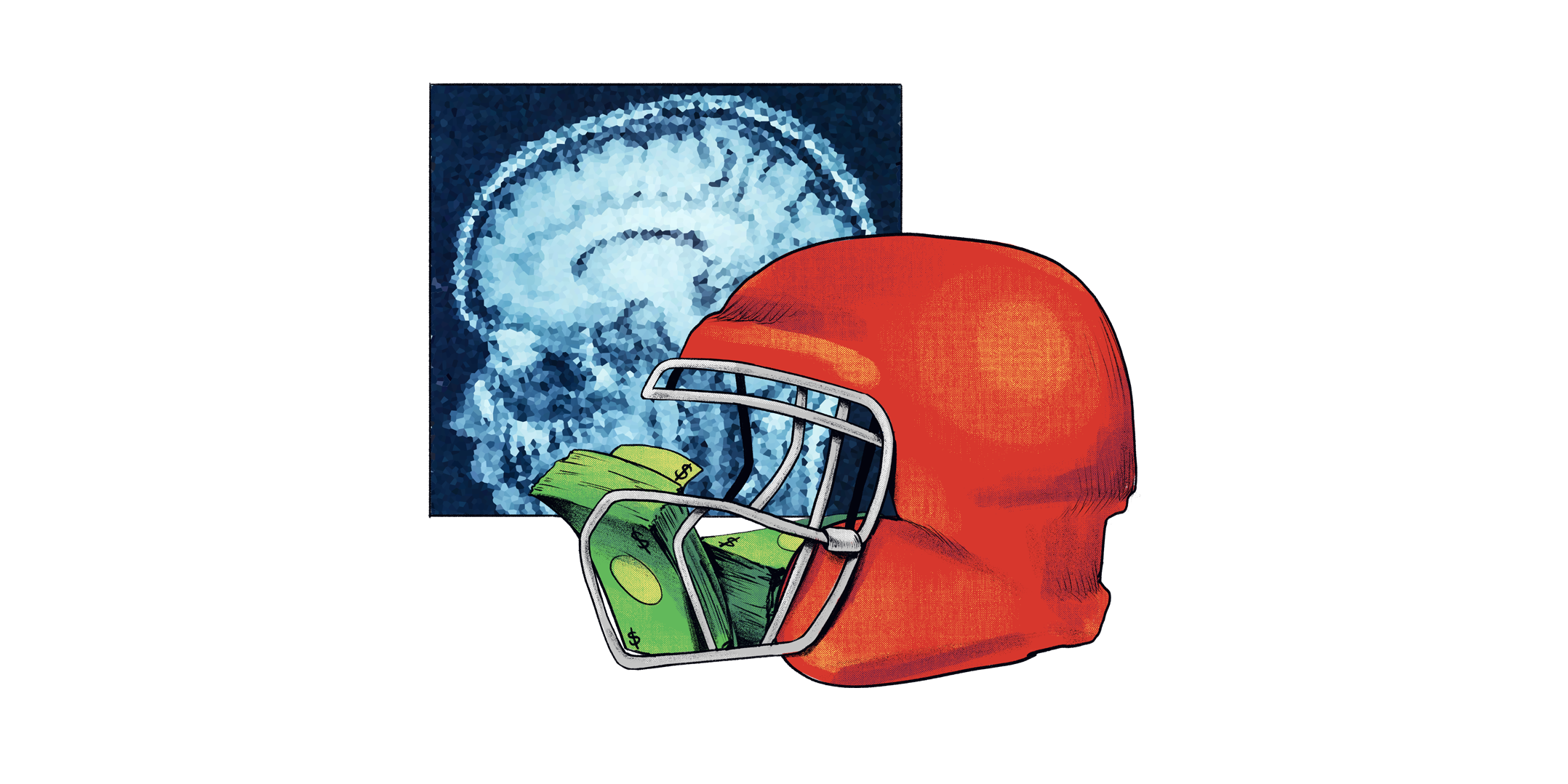
Nearly every NFL press conference features an athlete wearing a sparkling diamond necklace so expensive most people can’t imagine ever wearing in their lives. Dressed in a designer outfit, the player bores about how difficult his job is and the importance of his mentality.
As millions of dollars are thrown at athletes in contracts, bonuses and brand deals, it’s easy to think they’re overpaid for a job in entertainment.
They’re not like doctors, drowning in debt, sleep deprivation and a responsibility for saving lives every day.
But once the athlete is too damaged from injuries and the curse of aging, they’re disposed of with lifelong health complications and an industry that continues on without them.
On Oct. 18, Philadelphia Eagles quarterback Jalen Hurts was placed on injured reserve after medical professionals found blood clots in his lungs. He’s expected to be out for the rest of the 2026 season, the fourth year of his five-year $255 million deal with the franchise.
As fans around the country mourn their sports parlays and statisticians recalculate the Eagles’ odds of winning the Super Bowl, Hurts is recovering so he can continue playing football, the source of his injury.
For athletes, their job is a liability. If an athlete gets injured while on the job, they’re out of work for months and years at a time. Football players are moved on and off the injured list so frequently it’s expected for one to get injured, recover quickly and get back on the field again.
In January 2023, Buffalo Bills safety Damar Hamlin went under cardiac arrest during a game against the Cincinnati Bengals. Hamlin was later diagnosed with commotio cordis — a condition where a blunt impact to the chest causes sudden cardiac arrest.
By August, Hamlin played his first game back.
Health complications don’t only occur from game-to-game in the NFL, but continue long after a player has retired and is no longer on salary.
According to JAMA Network, a peer-reviewed medical platform, three in four former NFL players that died between 2008 and 2023 had chronic traumatic encephalopathy (CTE), a progressive neurodegenerative disease caused by repetitive head impacts that can come from participation in contact sports.
CTE symptoms include cognitive decline, violent behaviors, depression and suicidal ideation.
According to the National Library of Medicine, CTE has become a major public health concern — when an issue causes widespread illness, disability or death and places a heavy burden on healthcare.
With no definitive way to diagnose living patients, there’s no treatment to cure or slow down the rate of degeneration.
The condition has become so prevalent, some players accept they have likely developed CTE after years in the sport and there’s nothing they can do about it.
Athletes are the source of joy when our favorite team wins, the parties thrown for championships and the relationships we build with strangers at bars. They become characters we watch on television, buy merchandise for and blame when we lose our sports bets.
They spent their entire lives training to be the backbone of a multi-billion dollar entertainment industry.
According to Sportico, the NFL made approximately $14.5 billion in revenue during the 2025 season. The revenue should be, and rightfully is, given to the athletes that provide the entertainment and risk their lives for the league.
No, athletes are not paid too much. No monetary value is worth human life.
Comment Policy
Comments posted to The Brown and White website are reviewed by a moderator before being approved. Incendiary speech or harassing language, including comments targeted at individuals, may be deemed unacceptable and not published. Spam and other soliciting will also be declined.
The Brown and White also reserves the right to refuse the publication of entirely anonymous comments.