



For many of us, Snapchat was once the social media app: easy, popular and playful. It was a place to send silly selfies, share quick updates and connect with friends in a way that felt immediate and intimate.
In the past decade, the platform that taught Gen Z to value the moment has changed as much as the people who grew up with it. What began as a simple photo-messaging service now stores billions of photos and videos — a digital scrapbook for a generation raised online
Now, that scrapbook comes with a price tag.
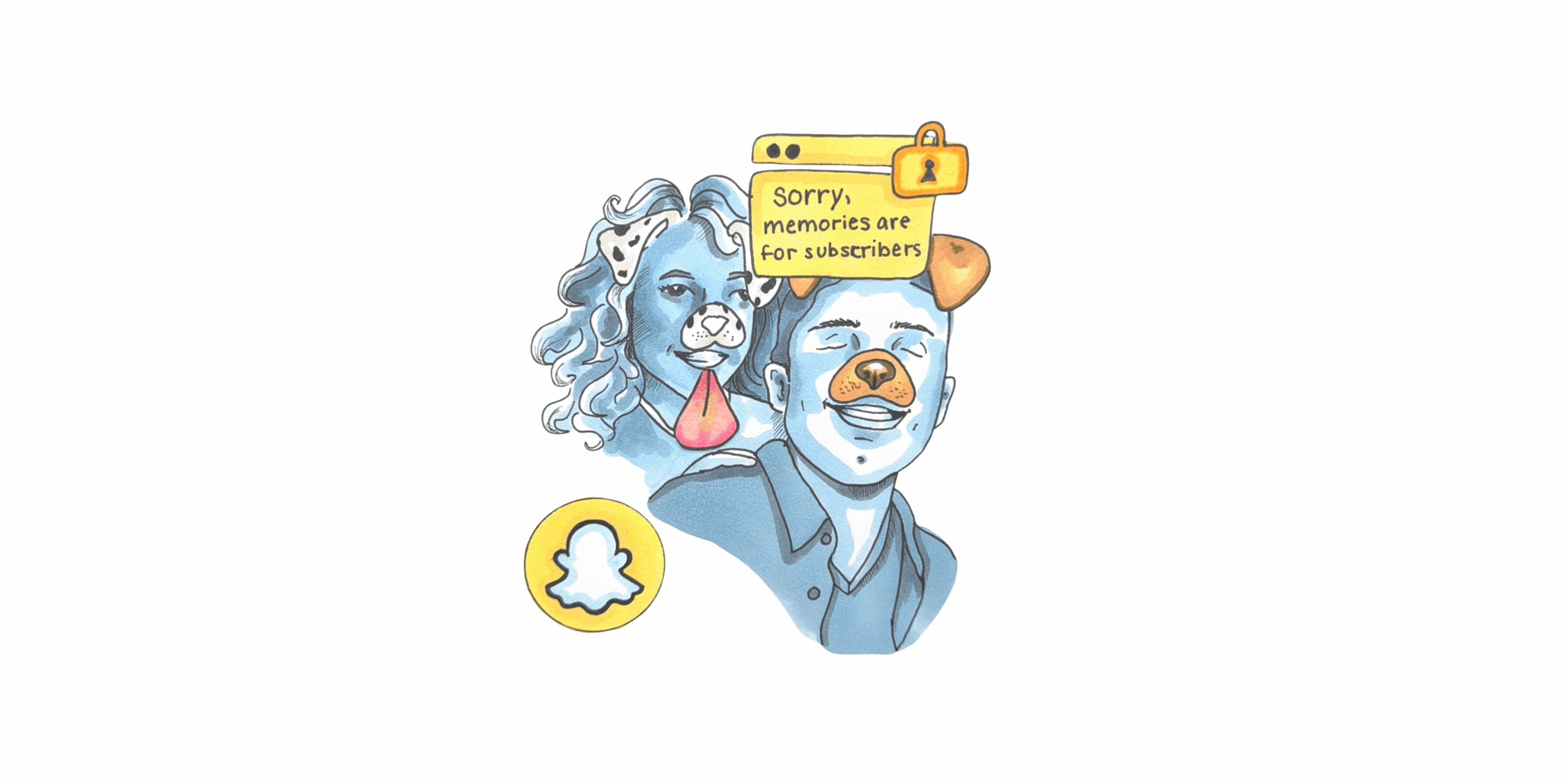
In late 2025, Snapchat capped free storage for “Memories,” the feature that allows users to save snapchats and stories within the app. Users now receive only five gigabytes of free storage. Anything beyond that requires payment through new storage plans, with 100-gigabyte options starting at a monthly fee of $1.99 and larger amounts tied to subscription tiers that get up to $15.99 per month.
Suddenly, something many users treated as a free, personal time capsule carries an actual cost.
For those who have used Snapchat since high school or earlier, “Memories are” more than a cloud folder. They document friendships, milestones and ordinary days that only later reveal their significance. The feature carries an emotional weight that feels different from a standard camera roll.
Charging for additional storage isn’t inherently unreasonable. Snapchat is a business, and as its user base ages and its features expand, monetization is expected. But the shift highlights a disconnect between the emotional value users place on their archives and the transactional way those archives are treated.
Digital platforms that once functioned as free spaces for connection and recollection have become revenue engines. Users are left to decide what to keep, what to delete and what’s worth paying to preserve.
Reactions vary. Some users have chosen to abandon the app altogether, arguing they’ve outgrown filters and streaks. Others have paid for expanded storage, unwilling to part with years of saved memories. Many have spent hours downloading old snapchats and deleting what feels insignificant. Some insist they’ll use Snapchat well into their 20s and 30s. Others joke that turning 20 is grounds for retirement from the app.
There’s no clean dividing line. Maturity doesn’t automatically make a platform outdated.
So what determines the right age to stop using an app? It’s not age. It’s purpose. When a platform stops serving a positive role — or begins to take more than it gives — it may be time to reconsider its place in daily life.
For some, that shift happens in the late teens as priorities more toward careers and new communities. For others, Snapchat remains a practical way to stay connected with distant friends. There’s no universal cutoff and no reason for judgment. Preferences evolve.
What’s worth reflecting on is how our relationship with these platforms change over time. Snapchat once promised fleeting moments. Now it offers preservation — for a fee.
Perhaps the more relevant question isn’t how old someone should be before deleting Snapchat, but what the app means to them and whether that meaning justifies the cost.
Growing up might not require deleting Snapchat. It does, however, require thinking critically about what we value and what we’re willing to pay for. Platforms change. So do we. And memories, ultimately, aren’t measured by gigabytes alone.
Comment Policy
Comments posted to The Brown and White website are reviewed by a moderator before being approved. Incendiary speech or harassing language, including comments targeted at individuals, may be deemed unacceptable and not published. Spam and other soliciting will also be declined.
The Brown and White also reserves the right to refuse the publication of entirely anonymous comments.