



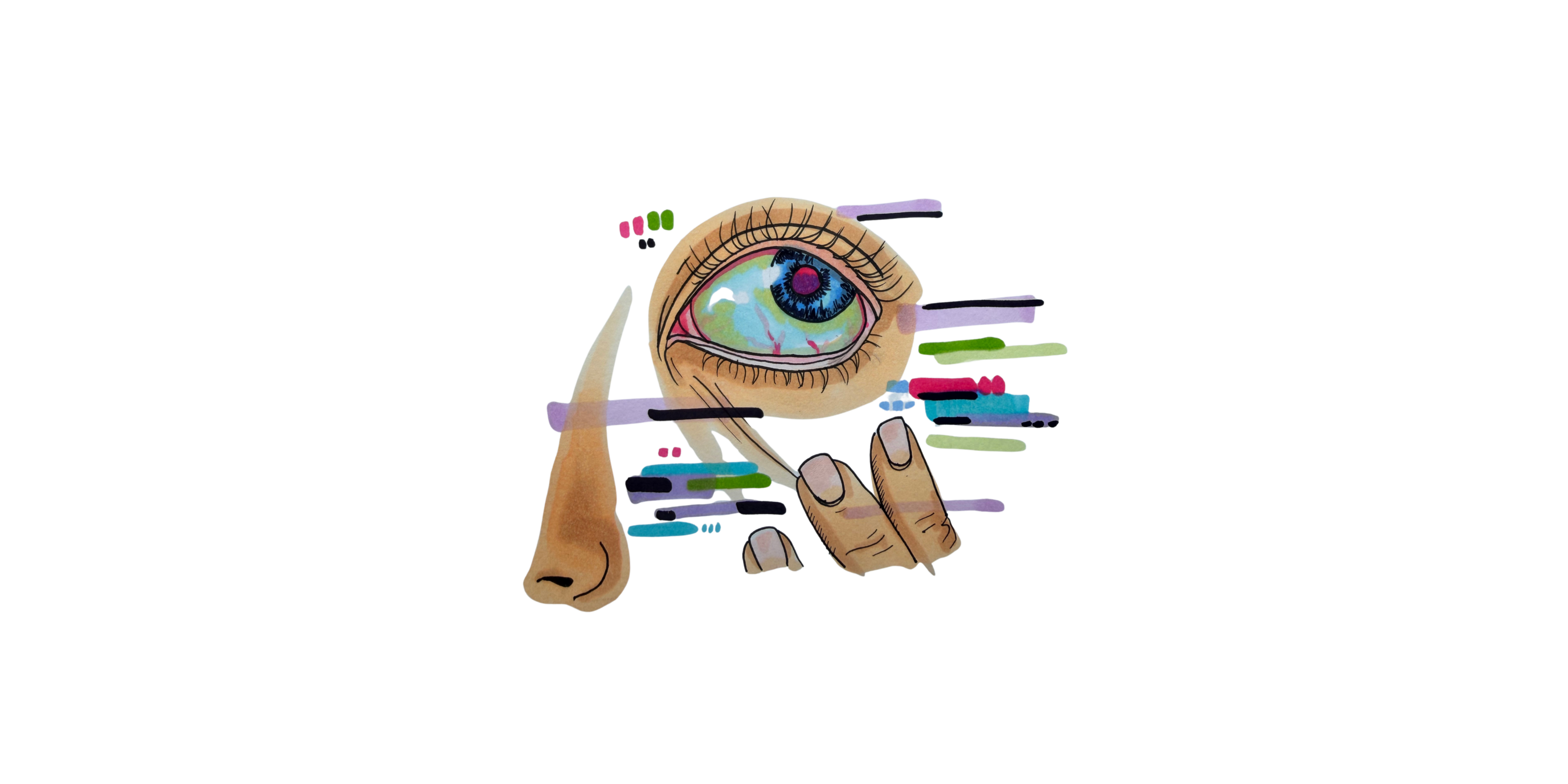
Let’s face it: we used to poke fun at our parents and grandparents for not being able to distinguish a meme from real news. Now, the joke’s on us.
Artificial intelligence-generated images, videos and text have become so convincing that it’s nearly impossible to tell what’s real. The problem isn’t just the technology itself, but the lack of transparency. Too often, there’s no warning or label to indicate that what we’re seeing was created by AI.
That isn’t just misleading. It’s unethical.
When scrolling through social media or the web, it’s easy to be fooled. Videos show people saying things they never said. Images depict events that never happened. Quotes circulate that were never spoken. Even journalists, trained to identify misinformation, have been misled by AI-generated content.
If professionals can be tricked, how can anyone else be expected to keep up?
The consequences can be serious. In one study, AI-generated X-rays fooled experienced radiologists more than half the time, while AI detection tools also failed to identify them. When experts can’t distinguish fact from fabrication, the risks extend far beyond social media and into areas where accuracy is critical.
The line between reality and fiction is rapidly blurring, and it’ll only become harder to define as AI evolves. This raises a clear ethical problem: As the technology improves, so does its ability to deceive, often without consequences or accountability.
Creating realistic images or videos without clear labeling takes advantage of people’s trust. It undermines confidence in everything we see and share. When content becomes indistinguishable from reality without any disclosure, it shouldn’t be ignored.
AI isn’t flawless, and it often leaves clues. Shadows may fall in unnatural directions, lines may not align correctly, skin can look unnaturally smooth, and hands may appear distorted, with fingers merging or multiplying. In videos, objects may warp or movements may glitch. These details are easy to miss, but they can reveal the truth if we look closely.
Awareness is the first line of defense, but it can’t be the only one. AI detection tools can help flag suspicious content, even if they aren’t always reliable. Metadata and digital markers may also indicate whether content is AI-generated. Paying attention to inconsistencies can help, but it shouldn’t be the viewer’s responsibility.
Creators and platforms need to take responsibility by clearly labeling AI-generated content. That kind of transparency shouldn’t be rare. It should be expected. Without it, misinformation will keep spreading, making it harder to trust what we see online.
AI has real potential. It can improve efficiency and creativity in ways we’re already starting to see. But when it’s used to deceive without disclosure, it doesn’t just mislead people, it makes it harder for all of us to trust what we’re actually looking at.
At the end of the day, this is an ethical issue. In a world where reality can be fabricated, transparency isn’t optional, it’s necessary. Mindless scrolling is no longer harmless when misinformation can be generated quickly and spread across platforms.
On our campus and beyond, we can’t let deception become normal. Reality still matters, but only if we choose to question what we see, double-check information and expect honesty from the people who create and share content.
Comment Policy
Comments posted to The Brown and White website are reviewed by a moderator before being approved. Incendiary speech or harassing language, including comments targeted at individuals, may be deemed unacceptable and not published. Spam and other soliciting will also be declined.
The Brown and White also reserves the right to refuse the publication of entirely anonymous comments.