



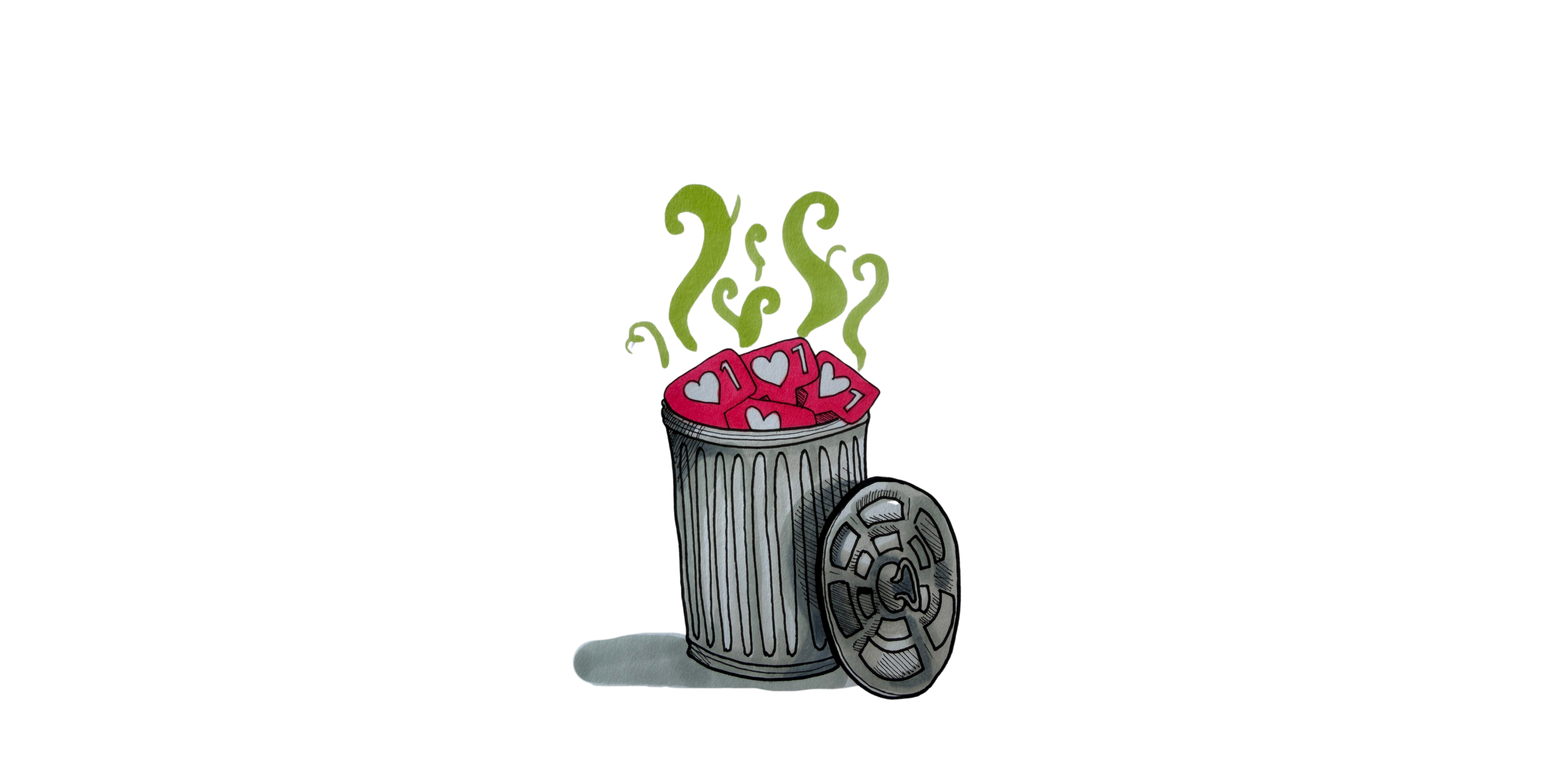
When one thinks of a “photo dump” on Instagram, they probably picture a mix of random photos, candid shots and filler images that couldn’t stand on their own. The whole point was that they weren’t curated, but captured moments as they happened, without pressure to impress or perform for an audience.
That’s no longer true.
What looks effortless on Instagram is anything but. Today’s “photo dump” is carefully arranged, edited and often overthought. It’s shaped not only by the user, but by the platform itself. This encourages people to present a version of their lives that feels curated instead of real.
One of the clearest signs of this shift is how people treat carousel posts. Instagram now allows users to reorder photos after a post goes live, turning something that once felt permanent into something that can be updated over and over.
A“photo dump” is no longer a spontaneous collection of images. It’s something that can be adjusted and refined over time. Even after posting, the curation doesn’t stop, as users continue to consider how each image contributes to their overall impression.
This change reflects a larger reality: Instagram doesn’t encourage casual posting — it discourages it.
The app is constantly pushing users to think about engagement through likes, comments and shares. As a result, even the most “random” posts are driven by intention.
Features that seem like they should reduce pressure often do the opposite. For example, Instagram allows users to hide like counts on posts. The feature is meant to make the platform feel less competitive, but it often leaves users wondering how their post is performing, checking engagement more frequently and more subtly.
At the same time, Instagram is giving users more tools to perfect content, from built-in templates to artificial intelligence editing features.
These tools are framed as helpful. In reality, they raise the standard.
Even casual posts begin to feel like they must meet a certain level of quality. Instagram is no longer just a place to share what’s happening — it dictates how it should look.
“What picture should go first?”
“Where should the text go?”
“Does this match my feed?”
These are no longer occasional thoughts. They are part of the process, and that process is anything but casual.
What once took seconds now takes minutes, sometimes hours. Users rearrange slides, debate posting times and rewrite captions repeatedly.
This isn’t just a shift in behavior — it’s a shift in purpose.
As Instagram becomes more artificial, it’s easy to feel pressure to keep up with trends to stay visible. Posting starts to feel less like a choice and more like an obligation.
There’s no real way to look effortless anymore.
The pressure is subtle, but it changes how people think. A photo dump is no longer just a collection of memories from a trip or a semester. It’s become a strategy — a way to stay relevant.
Instead of simply uploading photos, users think about performance, perception and reaction.
That shift strips away what made photo dumps appealing in the first place. They were low-pressure and fun, almost a break from traditional posts. Now, they’re just another version of them.
Instagram may claim to make posting easier and more authentic, but its features suggest otherwise. By giving users more control, it also gives them more to worry about.
The more we try to make posts look effortless, the less authentic they become.
Comment Policy
Comments posted to The Brown and White website are reviewed by a moderator before being approved. Incendiary speech or harassing language, including comments targeted at individuals, may be deemed unacceptable and not published. Spam and other soliciting will also be declined.
The Brown and White also reserves the right to refuse the publication of entirely anonymous comments.