



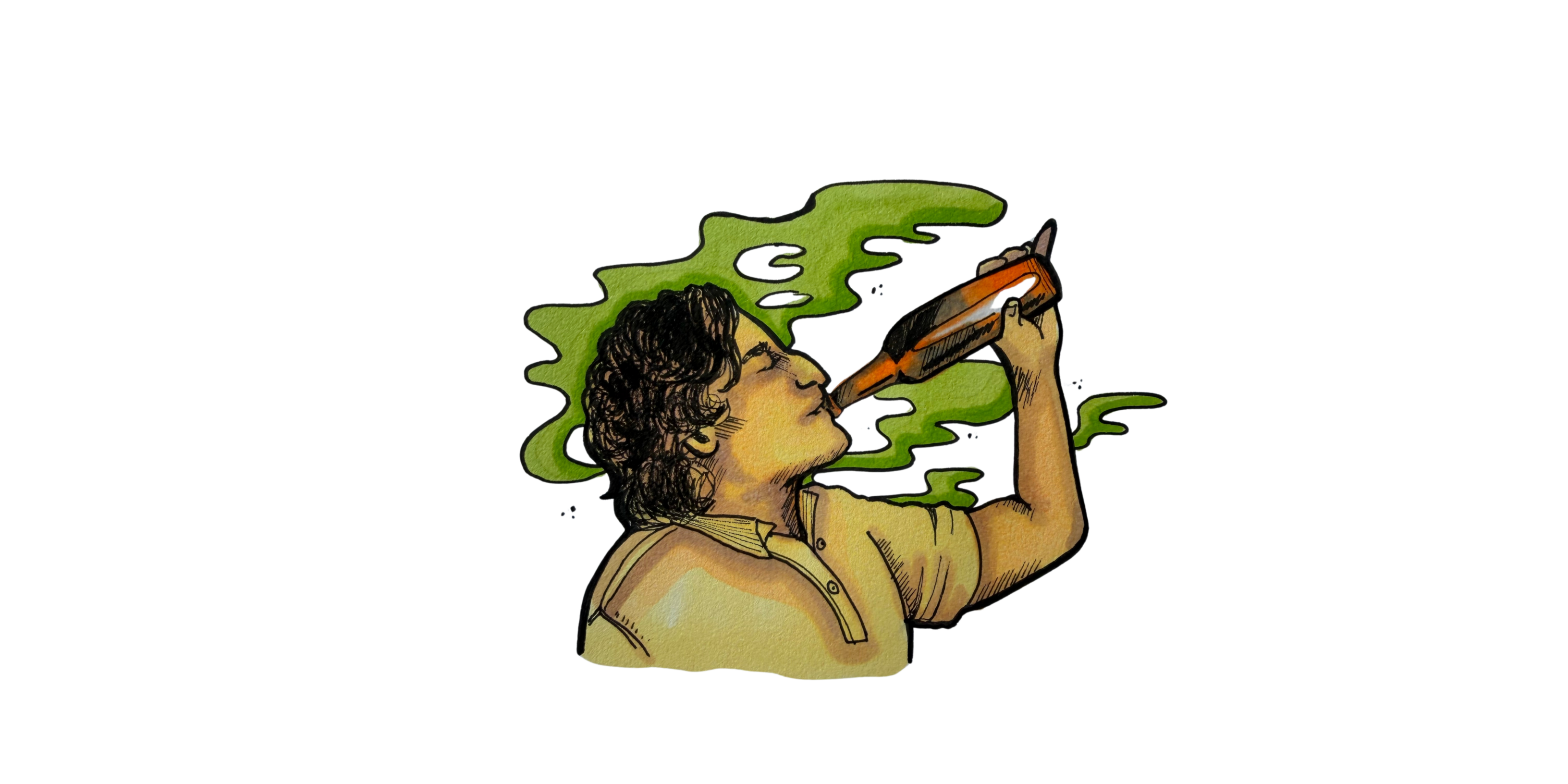
Every year, thousands of lives are lost to something far more common — and far more preventable — than many people acknowledge: alcohol.
Its impact is widespread. It contributes to poor judgment, preventable injuries, chronic disease and fatal car crashes. Yet alcohol remains deeply embedded in everyday life, treated less as a public health risk and more as a routine part of socializing. That normalization isn’t just misleading — it’s dangerous.
At the same time, marijuana occupies a very different place in public perception. It’s often framed as a moral failing, a gateway drug or a broader social problem. In Pennsylvania, where recreational cannabis remains illegal, debate still centers on whether legalization should happen at all.
Regardless, there’s an uncomfortable truth: cultural standards for alcohol and marijuana are wildly different.
Marijuana isn’t harmless. The short-term effects of THC, its primary psychoactive compound, include impaired attention, altered perception, mood changes and, in some cases, anxiety or paranoia. Physical effects such as a dry mouth and red eyes are also common. Over time, research has linked frequent cannabis use to memory issues and potential cognitive decline. Like any substance that affects the brain, it carries risks that shouldn’t be ignored.
But alcohol carries serious risks as well, and in many cases, those risks are more severe and more immediate.
Excessive alcohol use is associated with long-term damage to the brain, heart, liver and pancreas. It increases the risk of several types of cancer and plays a major role in hospitalizations and preventable injuries across the country. Its role in traffic fatalities alone should force a national reckoning. A person in the U.S. dies in a drunk-driving crash roughly every 44 minutes. That statistic isn’t just a number — it reflects a persistent, deadly reality that continues despite decades of public awareness campaigns.
Still, alcohol is rarely treated with the same level of concern. It remains the centerpiece of college parties, tailgates, holidays and celebrations. In contrast, marijuana use is often stigmatized, even in places where it’s legal.
The divide isn’t accidental. It’s rooted in history. After the end of Prohibition, alcohol was rapidly reintroduced into American life, supported by marketing and social acceptance. Cannabis followed a different trajectory, shaped by decades of criminalization and political messaging that framed it as dangerous. Those narratives continue to influence both policy and public opinion today.
The result is a cultural inconsistency that affects how people think about risk. Surveys from American Addiction Centers show that nearly two-thirds of marijuana users would support legalization. At the same time, even many people who oppose cannabis legalization have no issue with alcohol’s legal status. Instead, it reflects how normalized drinking has become.
However, policy is slowly shifting. As of June 2025, 40 states, three territories and the District of Columbia allow medical cannabis use. The national conversation is evolving, even as states like Pennsylvania remain cautious about full legalization.
When comparing the two, it only makes sense to use the same standards: overall public health impact, how addictive each substance is and the kinds of harm they cause in the real world, including accidents and long-term health problems.
Public health conversations should be rooted in evidence, not stigma. Marijuana should be discussed openly, and alcohol shouldn’t be shielded from scrutiny simply because it’s more socially acceptable.
The truth is that both of these substances carry consequences. Neither deserves to be celebrated or demonized.
What deserves scrutiny is the double standard. When alcohol is treated as normal while marijuana remains politically and socially controversial, something is clearly off.
Pennsylvania may or may not legalize recreational cannabis in the coming years, but one point shouldn’t be up for debate: If the goal is to have a serious conversation about drugs, health and safety, then all substances must be examined with the same level of scrutiny.
Comment Policy
Comments posted to The Brown and White website are reviewed by a moderator before being approved. Incendiary speech or harassing language, including comments targeted at individuals, may be deemed unacceptable and not published. Spam and other soliciting will also be declined.
The Brown and White also reserves the right to refuse the publication of entirely anonymous comments.