



On a warm spring Friday afternoon in Miami, first-year outfielder Robby Grasso sits down with his Lehigh baseball teammates for a pre-game meal.
The No. 22 ranked University of Miami Hurricanes lie ahead.
But as his teammates load up on carbs and begin to zone in on the game, Grasso has a different routine — one rooted in a requirement that he be intentional about what he eats and how he lives.
First, he checks his blood sugar on his phone. He then calculates his meal’s nutrition facts, using a carb-to-unit ratio to determine how much insulin he needs.
Then he clicks his insulin pen to the right amount and injects himself before joining the meal.
Grasso was diagnosed with Type 1 diabetes in second grade, a moment that forced him to grow up faster than most kids his age. While classmates worried about homework or Little League standings, Grasso was learning how to manage blood sugar levels, navigate injections and adapt to a new normal that would follow him into every aspect of his life.
As he grew, he said he learned not not to let the disease affect him. And he said the transition from high school to college — and the routines that come with it — have helped.
Grasso said the biggest adjustment he has had to make so far is managing his time. However, his routine meals and insulin injections have helped him map out a day-to-day schedule that works with his busy student-athlete lifestyle.
Technology has played a critical role in making that routine possible. Devices like continuous glucose monitors such as the Dexcom have transformed how athletes with Type 1 diabetes approach their sport, offering real-time data and greater control.
“I started off with syringes and finger pricks, which I was not a fan of at the time,” Grasso said. “When I got into high school, I was introduced to Dexcom, and those advances in technology have helped me live my normal life. I am still on syringes because sometimes the pump can be hard with baseball.”
That wasn’t always the case. The early days after his diagnosis were marked by hesitation and discomfort, particularly when it came to injections.
Grasso said at first, he was reluctant to take a shot before every meal because it hurt. Over time, he began to get more comfortable with the process and even switched to pens, which contain a smaller needle.
As he grew more confident with the process of living life with diabetes, Grasso realized he could give back to those who struggle with the disease as he once did.
Grasso became involved with Breakthrough T1D, an organization that raises funds and finds support for those who deal with Type 1 diabetes.
“Getting involved with T1D, I’ve been able to participate and volunteer at different events in the Philadelphia area that fundraise for Type 1 diabetes,” Grasso said.
It’s a connection that extends beyond personal experience, allowing him to serve as both a role model and an advocate for awareness.
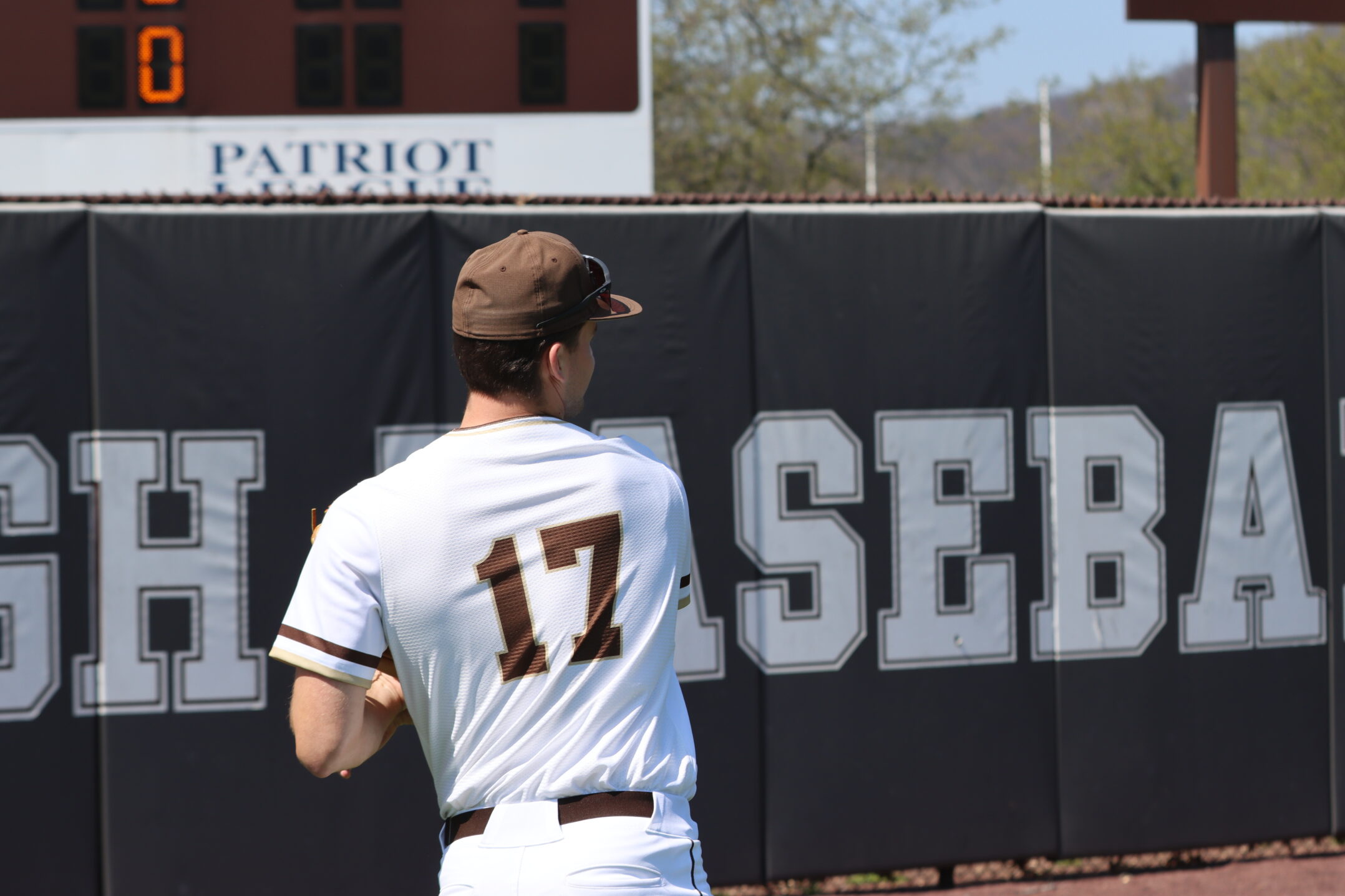
Grasso said that through time, the balance between managing a chronic condition and competing at a high level has become second nature, with the routine actually providing some advantages, like helping him with his diet and making healthy eating decisions.
With those factors in check, he could focus on baseball. Long before his arrival in Bethlehem, Grasso’s athletic identity was still taking shape.
Grasso grew up balancing baseball with basketball. He said around freshman year of high school, he realized that he could have a future in baseball and began to shift his focus. He added track into the mix during his sophomore year of high school, running the 400 meter and 200 meter relay with the goal of improving his speed.
“In track, learning quick twitch and running the right way while pushing my speed definitely helped me improve my overall speed, and that is huge for me in the outfield when it comes to tracking fly balls.”
When it came time for Grasso’s college decision, his path to Lehigh was shaped not just by athletic fit, but by the trust he was able to build with the Mountain Hawks coaching staff.
“Coaches were awesome throughout the recruiting process,” Grasso said. “Coach (Sean) Leary and coach (Pat) Knight provided me with a different level of comfort. Knowing how long Coach Leary has been here, it proved to me that he cared about the program. In college athletics nowadays, knowing something is going to stay put is a huge factor.”
That culture, according to Leary, is built around players like Grasso.
“Our objective is to recruit strong academic, high-character and talented baseball prospects, and (Grasso) checked all the boxes,” Leary said. “Early in his career, he has already validated that belief with his performance and approach. As a first-year, he has already started games and has also been utilized in high leverage substitution situations.”
Through the first portion of the season, Grasso has earned time in nine games. He scored his first collegiate run in the second game of the team’s season-opening series at Miami on Feb. 14, and logged his first two career hits a week later at George Washington on Feb. 21.
Inside the dugout, Grasso’s presence has also resonated with his teammates. Senior teammate Jack Frankovic sees those qualities up close every day.
“He is a team-first guy and is always putting others first,” Frankovic said. “He is resilient and goes 100%.”
Despite the added responsibilities that come with his condition, Grasso’s goals remain firmly rooted in baseball. As a first-year, his mindset is straightforward: contribute to the team however he can.
Grasso said his goals are to continue to be on the field, and help the team win. On the loftier side, he wants to be an All-league player down the road in his career.
That mindset has been shaped in large part by his family, particularly his father, who played a central role in his development.
“My dad has been a huge part in my success,” Grasso said. “He coached me throughout my young days and would always go to the field with me and my brother and push us to be our best. Even today, he always sends me videos on how to make little adjustments. All the effort he has put in has made me the player I am today.”
Leary believes that commitment is what will ultimately define Grasso’s career.
“He continues to put in the time to improve his game and has been very open to being coached,” Leary said. “We see a high ceiling for him during his career as a Mountain Hawk.”
Comment Policy
Comments posted to The Brown and White website are reviewed by a moderator before being approved. Incendiary speech or harassing language, including comments targeted at individuals, may be deemed unacceptable and not published. Spam and other soliciting will also be declined.
The Brown and White also reserves the right to refuse the publication of entirely anonymous comments.