



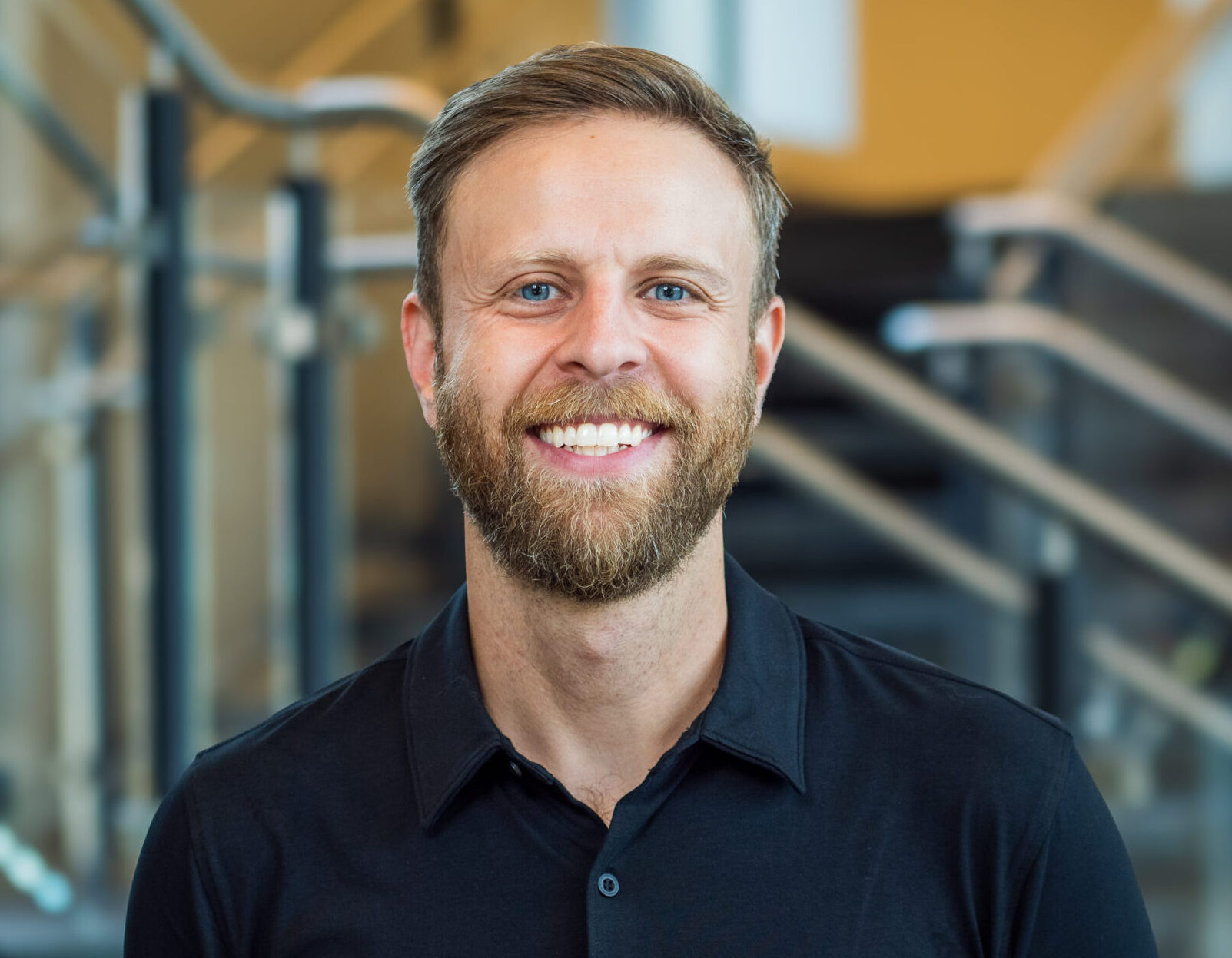
Dean Caivano is an assistant professor of political science at Lehigh.
Lehigh announced Friday that George W. Bush will visit campus on Oct. 29 to discuss democracy, civic service, and leadership. I was deeply disappointed by the announcement; not because Bush is coming, but because of how the university has framed his visit.
The announcement praises Bush’s tax cuts, trade agreements, education policy, and environmental initiatives. It says nothing about Iraq, Guantánamo Bay, torture, warrantless surveillance, or his administration’s expansion of presidential power. It then invokes Lehigh’s commitment to open dialogue while noting that the event will be closed to the media.
That contradiction is difficult to ignore.
I have no interest in arguing that universities should invite only those whose politics I share. Bush is a consequential political figure, and there is value in bringing him to campus. But that value depends entirely on whether Lehigh is prepared to confront the consequences of his presidency. Inviting a former president does not require granting him a deferential forum. Civil discourse cannot mean shielding powerful people from difficult questions.
My concern is that Lehigh will become another stop on George W. Bush’s rehabilitation tour. Trump’s authoritarianism has made Bush appear moderate and even reassuring by comparison. Republicans and Democrats now look back nostalgically on his “compassionate conservatism,” as though Trump’s contempt for democratic institutions somehow erases what came before him.
It does not.
The Bush administration led the country into war in Iraq after presenting claims about weapons of mass destruction with a level of certainty the evidence did not support. A bipartisan majority of the Senate Intelligence Committee found that administration officials had repeatedly misrepresented both the intelligence and the threat posed by Iraq.
The consequences were staggering. Brown University’s Costs of War project estimates that between 280,771 and 315,190 people died directly in the Iraq War from 2003 to 2023, including between 186,694 and 210,038 civilians. Across the broader post-9/11 wars, more than 38 million people were displaced.
Bush is not personally responsible for every death caused by wars that persisted across several administrations. He is, however, responsible for initiating and institutionalizing much of the framework that allowed those wars to continue.
His administration opened Guantánamo Bay, sought to place detainees beyond ordinary judicial protections, and presided over a CIA detention and interrogation program that used torture. It also conducted warrantless surveillance and repeatedly asserted extraordinary presidential authority in the name of national security. These are not secondary matters to be politely set aside in a conversation about democracy. They are central to any honest assessment of Bush’s presidency.
Our present crisis did not begin with Trump. The Bush administration helped normalize a permanent emergency, government secrecy, expansive surveillance, and broad presidential war powers. Obama failed to dismantle much of that structure, and Trump has exploited and expanded it. If we treat Trump as a complete aberration, we avoid asking how earlier administrations created the powers he now abuses.
Authoritarianism does not arrive through a single administration or a decisive event. It develops through accumulated decisions, precedents, and failures of accountability. At a moment when the United States is again at war, this time with Iran, that history is impossible to avoid.
Lehigh can still make Bush’s visit worthwhile. The university should permit The Brown and White and other media to attend, release an unedited recording, and explain how questions will be selected. Students and faculty should have a real opportunity to question Bush. Lehigh should also disclose his speaking fee and how the event is funded. Otherwise, it is fair to ask whether this is serious academic programming or a prestige event intended to please donors and trustees.
Bush should be asked about the false claims used to justify the Iraq War, the use of torture, the denial of legal protections at Guantánamo, and the precedents his administration created for later presidents. He should be asked what accountability means when decisions made by public officials cause harm on this scale.
None of this is unreasonable or disrespectful. Holding public officials accountable is part of democratic citizenship. It is also part of what a university committed to critical thought should do.
If Lehigh avoids these questions, the event will not be an honest conversation about democracy. It will be an exercise in rehabilitating Bush’s public image. He should come to campus, but he should not be given a free pass.
1 Comment
Thank you for writing this letter. I appreciate your insights and agree that we should be able to grapple with the whole of his presidency. Honest and respectful discourse about difficult. Topics is the only way that we can start to find solutions in this country.
Comment Policy
Comments posted to The Brown and White website are reviewed by a moderator before being approved. Incendiary speech or harassing language, including comments targeted at individuals, may be deemed unacceptable and not published. Spam and other soliciting will also be declined.
The Brown and White also reserves the right to refuse the publication of entirely anonymous comments.