



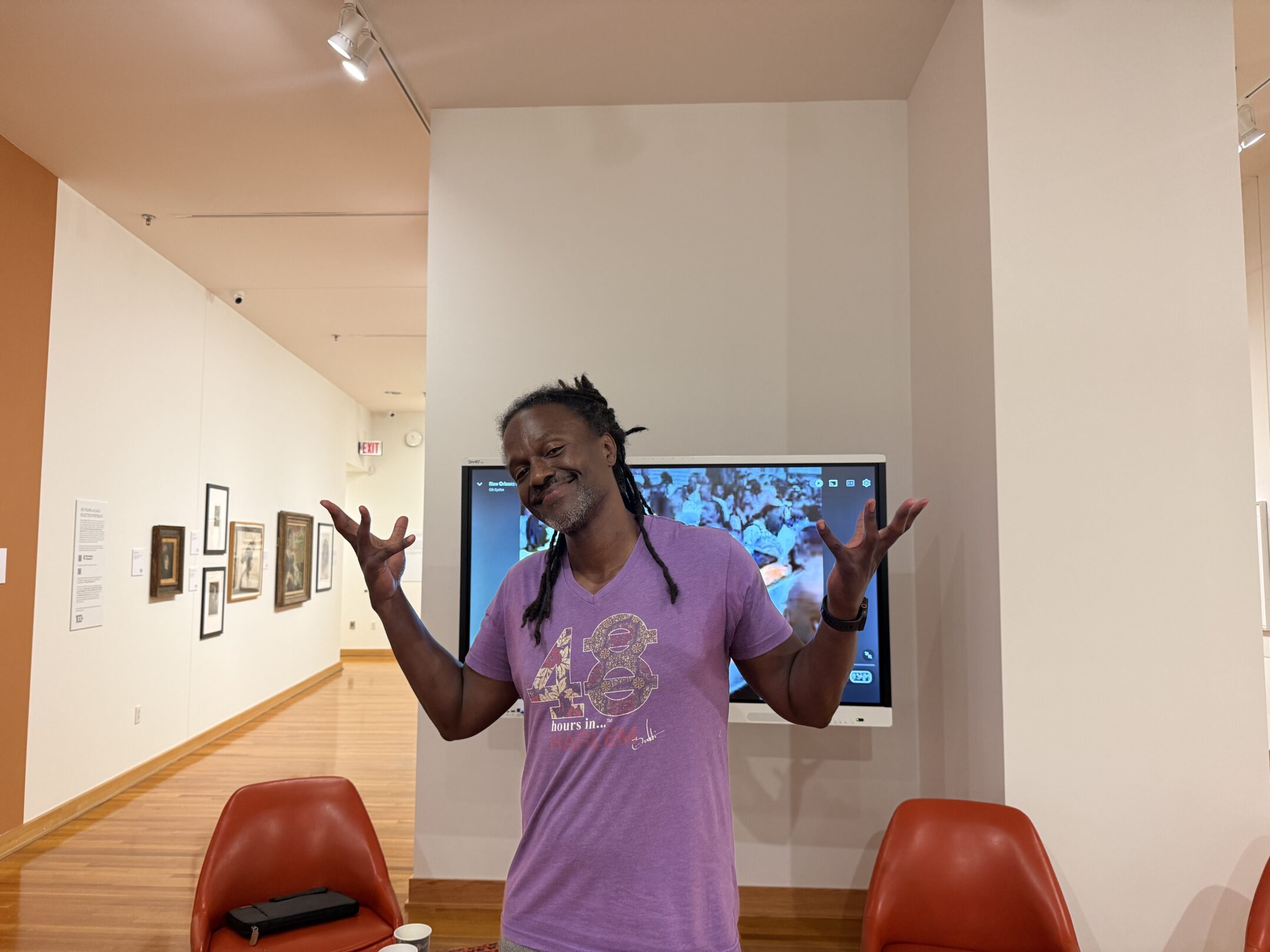
Not only is dance a form of entertainment, but in many cultures it’s a message of political resistance.
From a young age, Jeffrey Page, an Emmy Award-nominated and MTV Video Music Award-winning director, choreographer and cultural preservationist, yearned to join a hip-hop troupe like the ones advertised on posters in his childhood neighborhood in Indianapolis.
As he grew up, Page became the friend who always encouraged people to move and dance.
On Tuesday evening, Page led a conversation with students, faculty and community members exploring culture, identity and creative expression.
In question and answer style, Page discussed the crossover of Black culture and dance with the overarching theme of embracing one’s most authentic self.
He said it’s important to keep Black culture alive, especially in a predomintly-white institution like Lehigh.
Page also answered questions from the audience about navigating space in a community where one might not be accepted. He briefly shared stories of his childhood and time he has spent visiting West Africa.
He acknowledged feeling alienated during his first visit to Guinea. Page discussed the parallels between tribalism in Guinea and racism in America while visiting villages in the region.
Alongside working in the music industry, Page is an associate professor and coordinator of musical theatre at Howard University. He said his vision for the event was to teach the audience the importance of embracing their true selves.
“I hope that we can all understand that our most audacious and authentic selves, however messy, however ugly, however unfinished, are actually our best selves,” Page said. “So be unafraid, be unapologetic and be unafraid to be messy.”
Paige said this was difficult for him while living in Indianapolis, where he felt a weak connection to his Black culture at the time.
Page said when he was younger, he’d frequently visit a local skating rink. Years later, when he returned to the same skating rink, watching people dance with each other reminded him that he has always been surrounded by his culture.
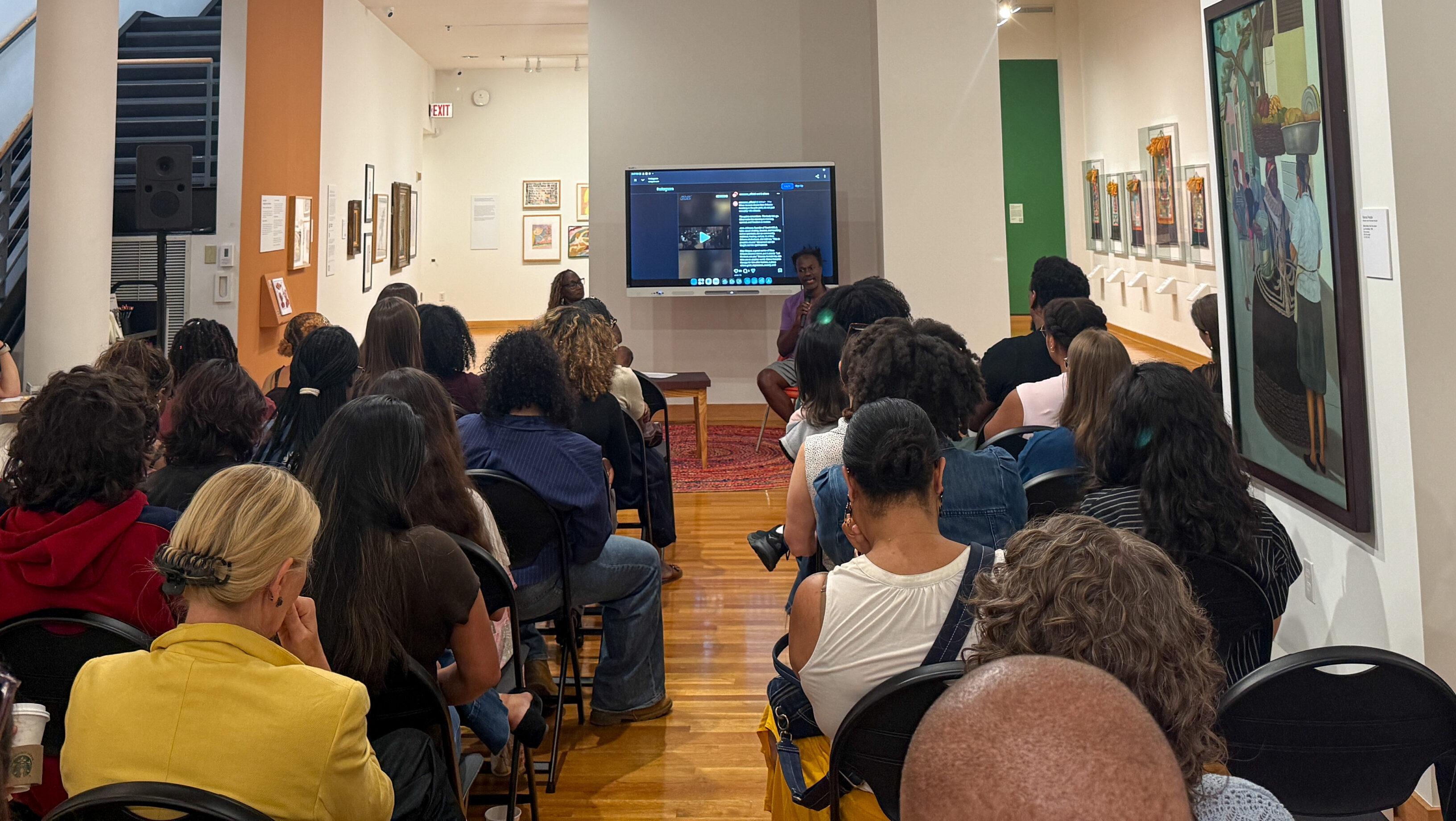
International relations professor Jaimie Bleck said Page’s work offers a way to understand dance not only as cultural expression, but also as a form of participation and governance.
Bleck said bringing together dance, political science, sociology and anthropology allows students to approach issues in Mali from perspectives that extend beyond a single academic discipline.
“I think oftentimes it’s helpful to get inspiration from a different context, to think about the possibilities of what there is, like what could be in terms of governance,” Bleck said.
Bleck has known Page for more than a decade. She invited him to contribute a chapter on dance as participatory governance to a collection of journals she edited on African governance innovations.
“You think about participatory governance in terms of deliberation and debate, and I like thinking about West African dance as participation,” Bleck said.
Page’s lecture also previewed his short film, Blues People, which explores how Malians demonstrated resistance and resilience through dance during a period of crisis from 2020 to 2022.
Ace, a Bethlehem resident, attended the event sparked by an interest in the movie “Sinners,” which they said is a cultural phenomena. Page’s discussion of culture stood out to Ace and gave them a new perspective on how people of color present themselves in America.
One of their takeaways was the discussion of being a respectful spectator, especially for Black Americans traveling to Africa.
“One of the things that Jeffrey spoke to is culture as a living, breathing thing,” Ace said. “That’s something that’s really going to reframe the way that I look at culture moving forward.”
For Kimberly Bruno, executive secretary of the vice provost for research, the event offered a chance to explore the cultural significance behind the movement and dance featured in “Sinners.” Bruno said the film initially drew her into the discussion, and she left with a greater appreciation for African American culture.
“I learned just how incredibly talented (Page) is, and just how rich the African American culture is,” Bruno said. “It gave me a boost of confidence.”
Bruno said Page’s discussion of movement and culture as something carried within the body, particularly resonated with her.
“The information and the language is part of our body,” Bruno said. “It’s part of us.”
Page ended the discussion by emphasizing the importance of celebrating each other and celebrating Black culture. He said sharing his story and teachings with such an engaging, comfortable audience allowed him to feel celebrated.
“It feels like that thing that we all need as humans, which is to be acknowledged and to be celebrated,” Page said. “I don’t mean celebrated in the small way, I mean, celebrated in the way that we engage with what it is that you’re doing, and we have questions, we have thoughts.”
Comment Policy
Comments posted to The Brown and White website are reviewed by a moderator before being approved. Incendiary speech or harassing language, including comments targeted at individuals, may be deemed unacceptable and not published. Spam and other soliciting will also be declined.
The Brown and White also reserves the right to refuse the publication of entirely anonymous comments.