



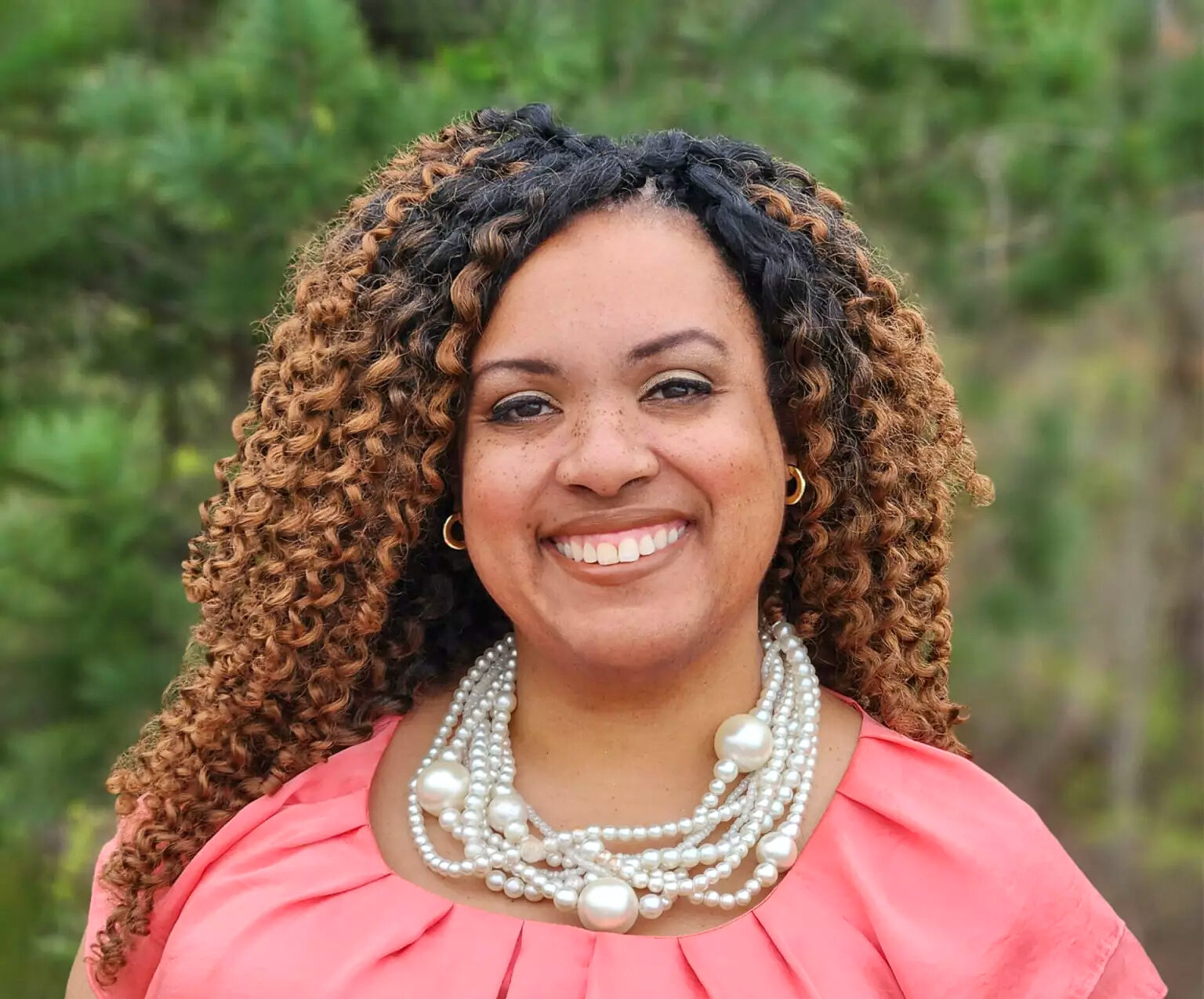
Following years of leadership changes within the Title IX Office, Jessica Risha White, has stepped into the role of Title IX coordinator and Equal Opportunity Compliance coordinator.
White graduated from the University of Delaware with a bachelor’s of arts in educational studies and a master’s of education in student affairs practice in higher education. She previously worked as a Title IX coordinator at the University of the Sciences (now St. Joseph’s University), Howard University and most recently Lincoln University.
She was appointed in July following a six-month period when the role went unfilled and said her immediate priority is rebuilding trust with students, faculty and staff.
Her appointment follows the hiring and subsequent departure of Brigid Benicasa after serving in her position for just two months. In between Benicasa’s departure and White’s hiring, Kayleigh Baker of TNG Consulting served as the university’s interim coordinator. While in her role as officer, Baker did not physically work on Lehigh’s campus.
The turnover is the latest chapter in a history of scrutiny surrounding the Title IX office. In 2022, some students waited months for Title IX investigations to conclude, with some cases lasting a year.
Later that year, the office announced the addition of a permanent deputy coordinator and outside support for case management.
“An office of two”
The office oversees matters involving sex-based discrimination and sexual misconduct, while also handling discrimination and harassment involving other protected classes. This includes Title VI, Title VII and the Americans with Disabilities Act.
White said she believes the structure of the office will work because she’s not operating it alone.
Monica Clear, the office’s case manager, began at Lehigh at the start of the fall semester. White said Clear will often be the office’s main point of contact for students, maintaining the case database and tracking trends in reports.
White said the data will eventually help the university determine whether the office needs additional resources.
When asked whether the Title IX and Equal Opportunity Compliance coordinator position would be too much for one person, White pointed to the addition of a case manager.
“So it’s not an office of one,” she said. “Right now, we’re an office of two.”
But Brooke DeSipio, Lehigh’s director for the Office of Survivor Support and Intimacy Education, said the responsibilities of the position have expanded over time without a corresponding increase in staffing.
She said she doesn’t think the Title IX coordinator and Equal Opportunity Compliance coordinator should be combined.
“‘Can’ and ‘should’ are two different things,” DeSipio said. “‘Can?’ I mean, we’re doing it. ‘Should?’ No.”
The difference in perspective raises a question White said she isn’t prepared to answer yet: whether the current structure will be enough.
White said she wants to spend the semester listening to students, faculty and staff through questionnaires and focus groups before determining whether additional staffing is necessary.
“I don’t know at this point, but I’m curious, and I’m inquisitive and I want to find out,” White said.
Timing concerns
Lehigh community members have consistently expressed concerns regarding the length of investigations and communication from the office with students reporting assault and discrimination.
Some Title IX investigations have taken months to resolve, with some cases extending beyond a year, according to an article published by The Brown and White in 2022.
Under her leadership, White said the office plans to contact someone who makes a report within one to two days. The initial conversation is intended to explain resources, rights, options and possible next steps.
According to White, a report doesn’t automatically become a formal investigation. The person who reports determines whether and when they’re ready to move forward.
White said once a complaint is filed, the investigation can involve interviews with multiple people, evidence collection, an investigative report, review by the parties and a university hearing.
With cases involving harmful dating patterns or domestic violence, she said resolving those cases can take longer because investigators may need to examine multiple incidents.
White also said the office tries to limit how many times people have to recount traumatic experiences, noting the office allows for breaks, rescheduling options and other methods of support for people during the process.
“By design, it’s not supposed to be a quick process,” White said. “Should it take 12 months? No. That’s a bit long.”
DeSipio agreed individual circumstances can extend an investigation, particularly when students take a leave of absence. But, she said the process itself should generally take a few months.
DeSipio agreed with the sentiment, and said the process should take a couple months, not 12.
She also said the university has an obligation to make sure cases keep moving, meaning the coordinator should follow up when there are delays.
Students also have a right to updates and should contact the Title IX office if they don’t know where their case stands, White said.
TNG Consulting handles some investigative work
Lehigh continues to use TNG Consulting, an external legal consulting firm. Urban said TNG provides investigators and hearing officers depending on the number of cases open at the time, processing a large portion of the Title IX office’s overall investigative work.
Kayleigh Baker, the previous Title IX and Equal Opportunity Compliance coordinator, is currently vice president for practice excellence at TNG Consulting.
Lehigh has historically used both internal employees and external consultants for different parts of the Title IX process.
Urban said he’s comfortable with the current structure, which consists of White and Clear working full time on campus with TNG Consulting available when additional capacity is needed.
“We have two people on the ground, and then we have the ability to flex with TNG,” Urban said.
Misunderstanding Title IX’s purpose
DeSipio said students frequently misunderstand Title IX because of the way the law has been discussed nationally. While Title IX prohibits sex discrimination in federally funded education programs, she said it’s not a survivor support service.
“It’s not designed to be a survivor support space,” DeSipio said. “And when students go there looking for that, and that’s not what they get, we actually do further harm.”
Lehigh has separate resources for students seeking survivor support, including the Office of Survivor Support and Intimacy Education and Counseling & Psychological Services.
DeSipio said students care deeply about feeling heard and respected during the formal investigative process.
White said improving communication will be part of her approach. She said she wants university policies and communications written plainly and clearly, while staying legally compliant.
Potential report influx
White said she doesn’t want to judge the office simply by whether reports increase or decrease.
In fact, she said an increase could initially be a sign of improvement.
“An increase in cases means people know where to report,” White said. “People know what the process looks like. People trust the process.”
DeSipio agreed and said sexual misconduct is heavily underreported.
When Lehigh first created a designated Equal Opportunity Compliance and Title IX position, DeSipio said reports increased because students had a specific person to whom they could report.
The challenge, she said, is creating enough trust for students to use the system.
During the period Baker served as interim coordinator, DeSipio said the coordinator was contacted through TNG and was not based on-campus.
“The task is to create that trust and that relationship with the Lehigh community,” DeSipio said.
Lehigh stopped publishing a separate Title IX annual report
Lehigh previously published separate annual reports from the Title IX office. The reports included information about how many reports the office received, what types of behaviors were reported and where the incidents were occurring.
DeSipio said the reports stopped around 2021 or 2022, as seen on the department’s website.
Lehigh still publishes the federally-required annual security report, but DeSipio said that report does not provide the full picture of the university’s Title IX and campus climate data.
White said she plans to bring back annual reporting. Future reports could include new information about case volume, resources offered and trends in the complaints the office receives.
DeSipio said students should be able to compare that information with their own experiences.
She also said reports are expected to increase as students become more comfortable coming forward, then decrease as the university uses that information to improve prevention and intervention.
The discrepancy comes after a period when the university did rely on interim leadership for years. Baker served as interim after Salvemini’s departure and remained in the role following Benicasa’s departure.
“Benicasa left primarily for personal reasons,” Urban said. “She wasn’t living in the area and moving to the area proved more challenging than expected.”
Urban also said turnover in Title IX positions is not uncommon.
He said Lehigh looked for someone with Title IX and higher education experience who could engage directly with students and build trust.
This comes after a period when the university heavily relied on interim leadership for years, including that of officers who didn’t service the campus community on-campus grounds, nor in-state.
What comes next
White said she is aware students may be skeptical after years of changes in the office. She understands why students would hesitate to trust another promise of improvement.
Her answer is to give the office time to demonstrate their commitment to doing better.
“The proof is in the pudding,” White said. “Give me an opportunity to show you what type of Title IX coordinator I am.”
Comment Policy
Comments posted to The Brown and White website are reviewed by a moderator before being approved. Incendiary speech or harassing language, including comments targeted at individuals, may be deemed unacceptable and not published. Spam and other soliciting will also be declined.
The Brown and White also reserves the right to refuse the publication of entirely anonymous comments.