



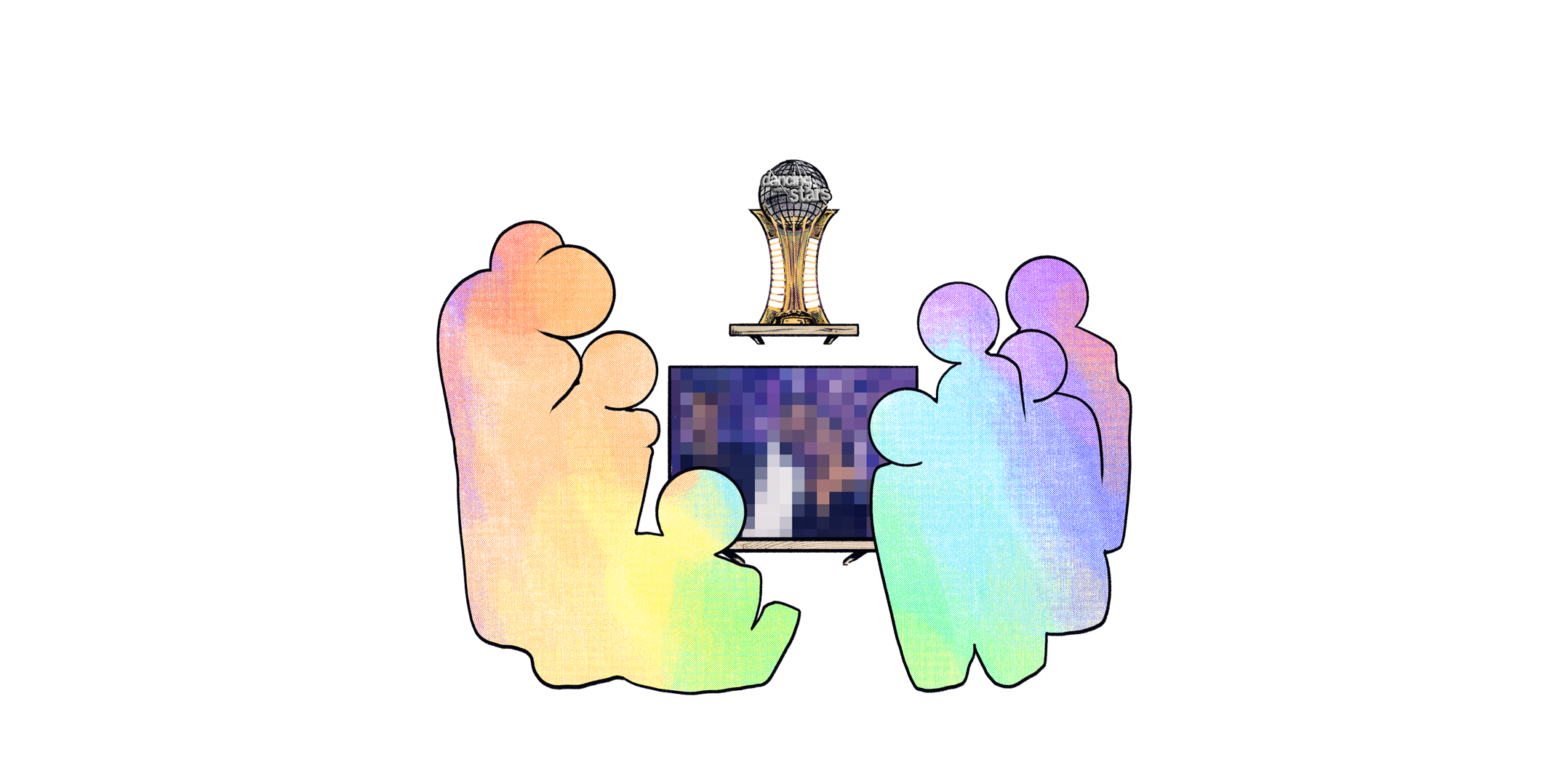
Every Tuesday night, millions of Americans tune in to watch celebrities and social media influencers trade their everyday routines for ballroom dancing, all in pursuit of a Mirrorball trophy.
Friends host watch parties or cozy up next to their roommates in front of the TV, phones in hand, ready to text their favorite contestant’s name to the phone number 21523.
Each week, celebrities perform alongside professional dancers, with judges’ scores and audience votes determining which couple is eliminated.
While “Dancing With the Stars” has followed a similar format since its 2005 debut, its audience has changed. According to The New York Times, the show’s median viewer age was 63.5 in 2022.
However, by 2025, viewership among adults under 35 increased 118% from the previous year, according to Vulture.
In an article by TV Insider, Michael Maloney wrote that TikTok has helped attract younger audiences through fan edits, performance clips and behind-the-scenes videos of contestants practicing with their professional partners.
People want to feel like they’re part of something, and “Dancing With the Stars” gives them that opportunity. Even those who’ve never had an interest in dancing are tuning in because their favorite celebrity is competing.
But what qualifies someone as a “star” has changed.
When “Dancing With the Stars” premiered in 2005, celebrity recognition was largely built through movies, television, music and professional sports. Today, someone can have millions of followers online while remaining virtually unknown outside their social media audience.
Kim Kardashian competed in 2008, shortly after “Keeping Up With the Kardashians” premiered. Zendaya competed in 2013, when she was only known for her role on Disney Channel’s “Shake It Up.”
But appearing on the show isn’t just about celebrity recognition. It can also open doors to new career opportunities.
Whitney Leavitt said she returned to the reality series “The Secret Lives of Mormon Wives“ solely to land a spot on “Dancing With the Stars.”
For some contestants, “Dancing With the Stars” has become a pipeline to Broadway.
After competing, Leavitt was cast as Roxie Hart in “Chicago,” joining former contestants Rumer Willis and Ariana Madix in taking their talents to Broadway. Charli D’Amelio also went on to perform in “& Juliet” after winning the competition in 2022.
It’s clear why some contestants go on “Dancing with the Stars,” but what makes viewers so invested in watching them?
The “pros,” who dance with the celebrities also keep the original loyal viewers interested, through their meet-and-greets and social media.
For fans who already follow contestants on social media, watching them compete feels more personal. They see glimpses of their lives outside the ballroom, making it easier to feel connected to them and root for their success. Weekly voting gives viewers a chance to support the celebrities they’ve grown attached to.
That connection can matter just as much as a strong performance. Actor and Comedian Andy Richter made it to the quarterfinals despite consistently receiving low scores from the judges. His personality likely kept him in the competition, attracting audience votes, even when his dancing didn’t keep up with the others.
Meanwhile, Conner Leavitt, husband of former contestant Whitney Leavitt, was eliminated after his first performance in season 35.
Although both appeared on “The Secret Lives of Mormon Wives,” Whitney Leavitt had a more prominent public profile, raising the question of how much celebrity recognition influences voting.
When popularity plays such a large role in determining who stays, it’s hard to not question how much dancing ability really matters.
But perhaps that’s part of its appeal. Like the reality TV show “Love Island,” “Dancing With the Stars” offers an escape from everyday responsibilities and gives people something to look forward to each week.
With social media keeping the conversation going long after the episode ends, the competition has become something viewers can follow and participate in beyond Tuesday nights.
Maybe the real question isn’t whether “Dancing With the Stars” is a dance competition or a popularity contest, but why we’ve come to care so much about who wins.
Comment Policy
Comments posted to The Brown and White website are reviewed by a moderator before being approved. Incendiary speech or harassing language, including comments targeted at individuals, may be deemed unacceptable and not published. Spam and other soliciting will also be declined.
The Brown and White also reserves the right to refuse the publication of entirely anonymous comments.