



Coffee has a large presence on Lehigh’s campus.
There’s an abundance of places to purchase a cup of coffee in South Bethlehem: cafes in both libraries, Starbucks, Dunkin’ Donuts, Saxbys Coffee, Dejà Brew and Lit Coffee Roastery and Bakeshop.
Kelly Austin, an associate professor of sociology, published a study examining the corruption and negative effects the coffee industry has on growers. Austin ultimately suggests that consumers start paying more attention to these inequalities.
“Being such heavy coffee consumers, it is important for Lehigh students to know about the inequalities in the coffee industry and pay attention to the kind of coffee they are drinking,” Austin said.
Fair trade coffee is sold from growers to coffee co-operations for a set rate. On average, growers will make 20 cents more per pound of fair trade coffee, according to Austin’s study.
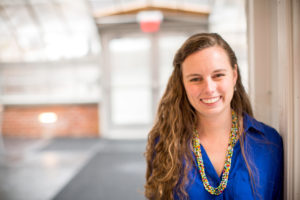
“I prefer my coffee to be fair trade because it’s better for the people who grow the coffee,” Emily Linblad, ’21, said. “But my favorite coffee isn’t fair trade, and it doesn’t stop me from buying it.”
Many coffee shops on Lehigh’s campus are also taking the initiative to help alleviate the inequalities of the coffee industry by selling fair trade coffee.
“Dunkin’ Donuts was the first national brand to sell 100 percent fair trade certified espresso beverages,” said Mary Ann DiMascio, the senior corporate social responsibility specialist for Dunkin’ Brands.
Starbucks also makes an effort to sell fair trade products.
According to its website, “Starbucks is dedicated to helping farmers overcome the challenges facing coffee communities.” The company only buys ethically sourced coffee through its partnership with Conservation International.
The coffee at Saxbys is considered direct trade and organic.
“(Direct trade) is a little different than fair trade, and in some ways a little bit better,” said Greg Galiffa, Saxbys content manager. “The great thing about fair trade coffee is that farms receive a minimum wage for their product. The great thing about direct trade coffee is that farmers are paid directly (and well), and also work with the roasters to achieve the best possible cup of coffee.”
Austin said the fair trade practice has quite a bit of corruption. She said many of the issues are derived from the way the coffee trade is structured.
“When a grower has a bunch of coffee, they know the beans that are better quality will get a better price,” Austin said. “So they end up selling their lower quality coffee to the fair trade cooperatives and keep their highest quality beans to sell directly to a trader for the top price.”
Austin said one way Lehigh students and other consumers can ameliorate the inequality in the coffee industry is by being more cautious when buying coffee.
“At the end of the day, people need to be willing to pay more for their coffee,” Austin said. “These companies need to be willing to charge more so that more money goes back to the growers.”
1 Comment
“At the end of the day, people need to be willing to pay more for their coffee,” Not only for coffee. Organic foods have a similar need for higher prices; buy American may also qualify.
Austin said the fair trade practice has quite a bit of corruption. She said many of the issues are derived from the way the coffee trade is structured. “When a grower has a bunch of coffee, they know the beans that are better quality will get a better price,” Austin said. “So they end up selling their lower quality coffee to the fair trade cooperatives and keep their highest quality beans to sell directly to a trader for the top price.”
I always hope that a higher price comes with some sort of appropriate value such as supporting farmers or better quality.
Comment Policy
Comments posted to The Brown and White website are reviewed by a moderator before being approved. Incendiary speech or harassing language, including comments targeted at individuals, may be deemed unacceptable and not published. Spam and other soliciting will also be declined.
The Brown and White also reserves the right to refuse the publication of entirely anonymous comments.