



Jeffry Zamora traveled over 3,000 miles from Costa Rica to Orlando, Florida, in 2017.
This move saved his life.
Zamora, who was addicted to cocaine at the time, took charge of his treatment and left his previous life behind for a chance of recovery.
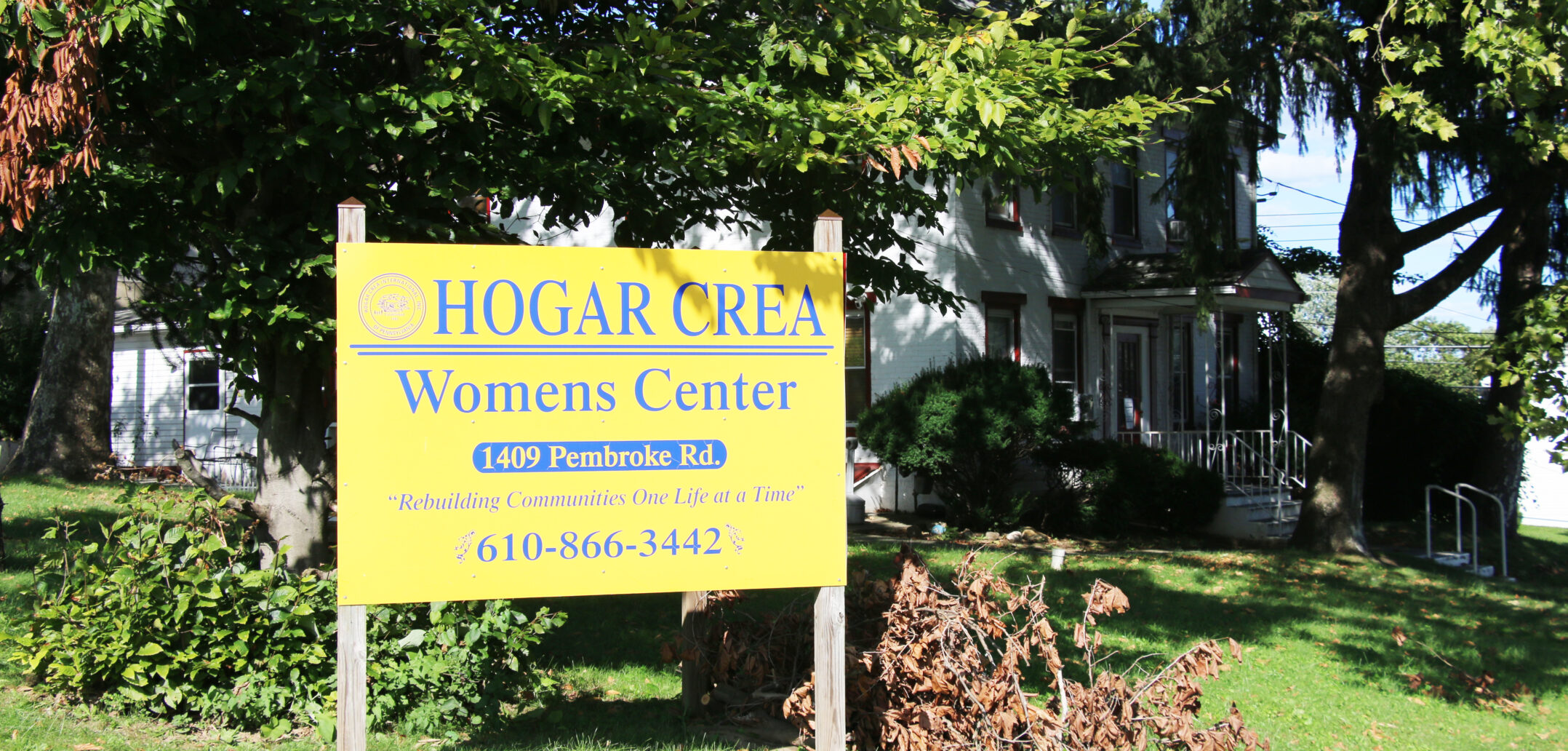
He came to Hogar CREA, a nonprofit organization dedicated to the recovery and prevention of alcohol and substance use. It was founded in Puerto Rico and now has locations throughout South America, Florida and Pennsylvania.
“This was my first time trying different types (of treatment),” Zamora said. “Psychologists and psychiatrists didn’t work. When I came to Hogar CREA, it saved my life.”
Zamora has been working at Hogar CREA as a supervisor since he formally finished the program. He wanted to join the community that sustained his recovery.
Zamora stayed sober. But he’s not the majority.
Understanding substance use disorder
According to The National Institute on Drug Abuse, 40% to 60% of people with a substance use disorder relapse.
In 2021, the Substance Abuse and Mental Health Services Administration reported that 46.3 million people over 12 years old — 16.5% of the population — met the criteria for having a substance use disorder in the past year.
Only 6% of this demographic sought treatment that year.
The American Psychiatric Association defines a substance use disorder as a “complex condition in which there is uncontrolled use of a substance despite harmful consequences.”
Substance use disorders are considered chronic diseases, which means there are no cures and treatment is a lifelong commitment.
The definition of recovery varies from person to person.
“It is a day-to-day lived, self-directed process where people are hoping to build a healthy and productive life,” said Casey Chosewood, the director of the Office for Total Worker Health in the National Institute for Occupational Safety and Health. “It differs from individual to individual. It’s relapsing — meaning sometimes you’re succeeding, sometimes you’re moving backward.”
The harm reduction approach
One method that sustains recovery efforts is harm reduction.
Tracy Nichols, professor of community and population health at Lehigh, focuses her research on harm reduction to address the chaotic use of drugs, which is when someone feels as though their substance use disrupts their life.
A central tenet of harm reduction, Nichols said is “nothing for us, without us.” In other words, harm reduction work has to be done with people who have been directly impacted by the drug war.
She said she uses a holistic and biopsychosocial view of substance use disorders to remind people that it’s a chronic disease and relapse is expected. Twelve-step programs like Alcoholics Anonymous, she said, tend to emphasize total abstinence, which is not realistic.
“We meet people where they are and we understand and learn their goals, which might not be stopping drug use at all,” Nichols said. “The idea is more how can people on their own, and with the help of others, reduce the harms related with chaotic drug use.”
One prevention strategy is needle or syringe exchange programs.
According to the Centers for Disease Control and Prevention, these exchange programs “provide access to sterile needles and syringes, facilitate safe disposal of used syringes, and provide and link to other important services and programs.”
Exchange programs help prevent the transmission of bloodborne illnesses like HIV and other infections when people inject drugs by providing access to sterile injection equipment.
According to the CDC, these programs help people stop using substances because users are more likely to start treatment and stop injecting.
Implementation of these exchanges is made at the state and local levels. There is no state law permitting needle exchange in Pennsylvania but some cities like Philadelphia have exchanges.
The rehabilitation approach
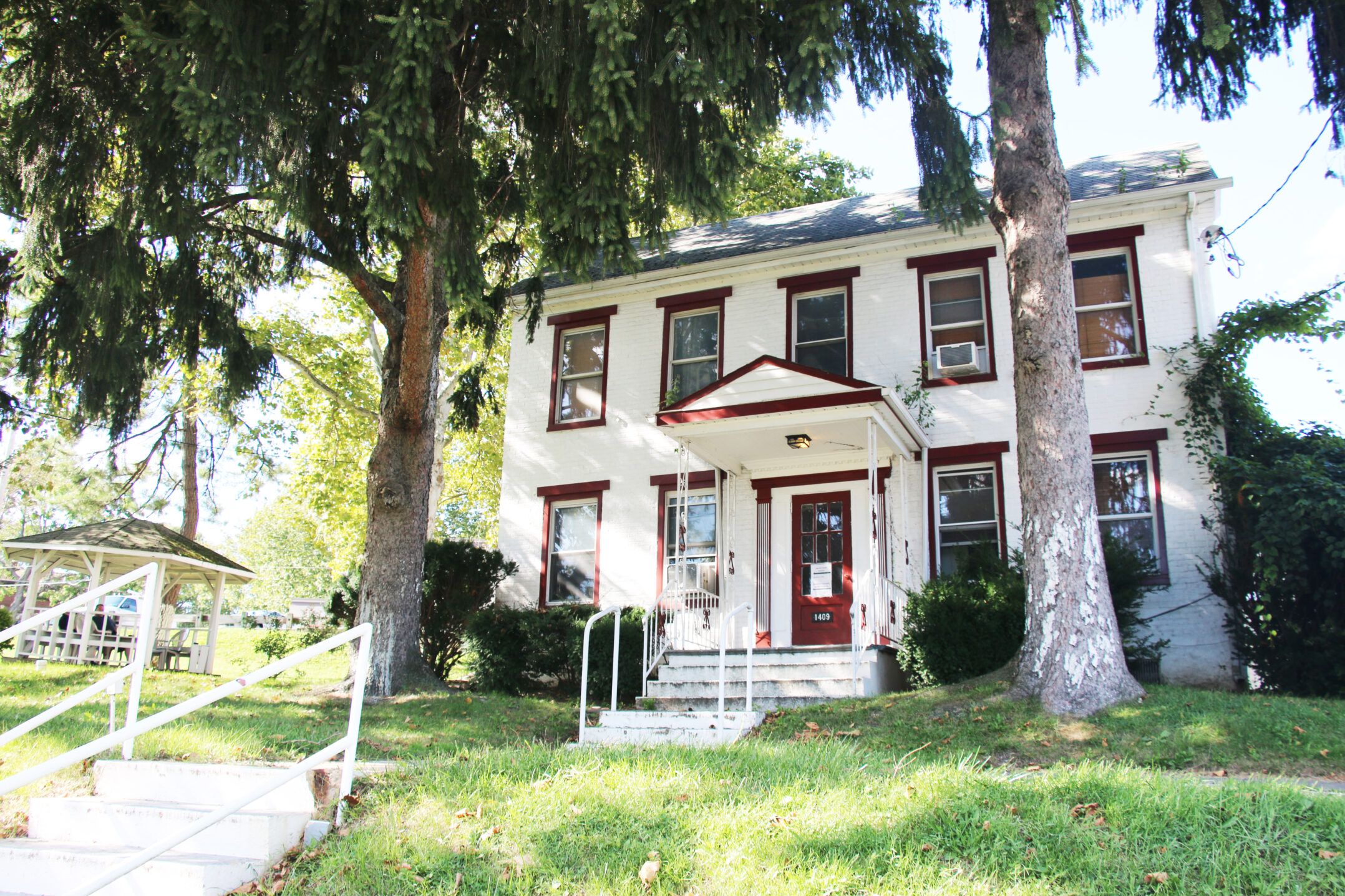
People may also choose to treat their disorder with rehabilitation programs, such as Hogar CREA, which takes a holistic and community-based approach to recovery. The program aims to instill habits, manners and attitudes to help people recover with their dignity.
Zamora said Hogar CREA focuses on the re-education of a person’s character and believes mutual respect from the self and others is vital to recovery.
The organization, one of the 600 substance abuse facilities in Pennsylvania, has locations in Bethlehem, Allentown, and Reading and is free to all clients. Residents can live in a single location for up to a year.
Chosewood’s research found connections between meaningful work, the ability to develop and use relevant skills, and social support from coworkers and supervisors to maintain recovery, of which are all integral to Hogar CREA’s curriculum.
A structured daily routine is essential to Hogar CREA’s principles of recovery. Each day is packed with group meetings and coffee breaks, and residents follow a consistent and distracting schedule, which Zamora said is beneficial to recovery.
Zamora said there are three phases to the program, and clients work to move up through them. The first phase is general orientation, the second is growth and re-education of character and the third is becoming a “community orientator.”
As clients move through the phases, they begin to mentor others. Once participants make it through the advanced phases of treatment, they start working for the organization. People can work in the office and learn administrative and budgeting skills or cook and clean around the property.
One job patients can participate in is selling baked goods like flan or cake on street corners.
Juan Roque, Hogar CREA’s intake coordinator, said the making and selling of flan allows the patients to learn a trade, perfect a craft and take initiative in a skill.
He said it helps keep the patients distracted and heals the brain.
After they have completed the program, participants are still encouraged to attend group meetings and have check-ins with counselors.
One of CREA’s biggest efforts for sustained recovery is maintaining consistent and routine contact with everyone in the program as a means of community, as supported by Chosewood’s research.
Now, Zamora said about 120 people from the program work for the larger organization.
Alleviating perpetual stigmas
Chosewood said substance use disorders are as much a mental illness as they are a chronic physical disease, and they should be treated as such.
According to the Substance Abuse and Mental Health Services Administration, 13.5% of young adults aged 18 to 25 had both a substance use disorder and another mental illness in the past year.
Chosewood said the stigmas around substance use disorders and mental illness are similar which can put a significant strain on recovery efforts. He avoids specific language like “addict” and “clean” in his work because they perpetuate negative stigmas.
Nichols said when substance use disorders are considered a moral issue, they become stigmatized.
She said the stigma around substance use can also be perpetuated by considering drug use shameful. In reality, she said, a majority of Americans use drugs in ways that are not bad.
“People have been altering their consciousness in different ways since people have existed,” Nichols said, referring to substance use.
She said the language used around this disorder is important in context to each individual’s definition of recovery and how it impacts them.
“Everyone uses drugs and people can go in and out of chaotic drug use,” Nichols said. “Most of us have some lived experience, but it’s very different from the lived experience of someone who has been stigmatized for their drug use, who has been actively prosecuted or persecuted, who has lost jobs because of their drug use.”
Roque agreed the stigma associated with people with substance use disorders is something that sometimes inhibits the organization’s and patients’ work in recovery.
“Nobody trusts us. Nobody,” Roque said. “So as soon as they (patients) come here, that’s the first thing we work on: their confidence.”
Roque, who has been through Hogar CREA’s program himself, credits the program’s relentless efforts for his 40 years of sobriety.
He said the program isn’t highlighted enough even though it’s been effective at saving lives.
Zamora, now six years into recovery, met his wife in the program and credits the organization for everything he has.
He said he continues attending meetings and is active in his recovery efforts.
He said during his care at Hogar CREA, he realized he wanted to stay and give back to what has given him so much. He said the program’s routines and practices were the key to his recovery.
“CREA saved my life. No (amount of) money in the world can give you that feeling when you help other people,” Zamora said. “Seeing the participants cross through the program and re-educate and get their certificate, seeing all that work you put into that person, that’s what’s keeping me working and waking up every day.”
Comment Policy
Comments posted to The Brown and White website are reviewed by a moderator before being approved. Incendiary speech or harassing language, including comments targeted at individuals, may be deemed unacceptable and not published. Spam and other soliciting will also be declined.
The Brown and White also reserves the right to refuse the publication of entirely anonymous comments.