



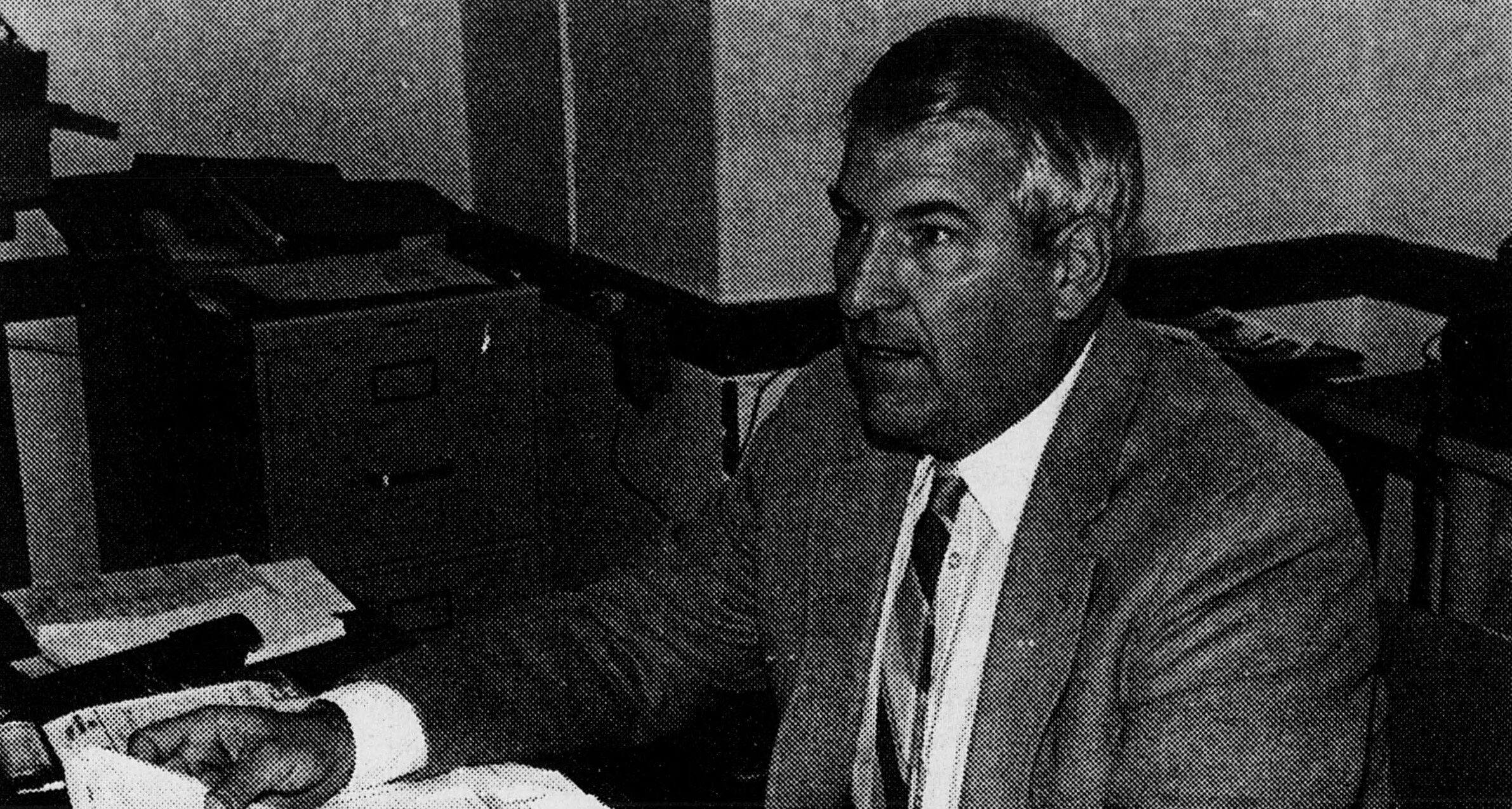
This is part of an overall series featuring Lehigh Hall-of-Fame alumni.
What began as playing softball on a small team in Washington, D.C., turned into a lifelong baseball career for Craig Anderson, ‘60.
Anderson said he was 10 years old when his father signed him up for a local softball team. The following year, he was introduced to baseball through the Eastern Branch of the Boys Sports Club in the District of Columbia.
“I had a really good arm, and eventually I ended up pitching in the boys club league and playing in the outfield zone,” he said.
He joined his high school team as a sophomore and played for the Bunker Hill American Legion team that summer. By the end of his senior year — after winning two inter-high championships and reaching the national championships — Anderson said he was swarmed by college scouts.
When no offers came, Anderson said he searched for colleges on his own but struggled to get recruited until Lehigh reached out.
He said he’d never heard of Lehigh, but his father’s co-worker, an alumnus, put in a good word with coach Tony Packer. Anderson visited campus, where Packer showed him around and even sat in on his admissions interview.
A month later, on July 20, 1956, Anderson received his acceptance letter.
He played three years on varsity and set a school record with 18 strikeouts in a game against Muhlenberg College.
After graduation, Anderson was recruited by the Tulsa Oilers, a Triple-A affiliate of the St. Louis Cardinals. He earned the opportunity after striking out nearly every batter during the Cardinals’ tryout camps, and the team went on to win a championship that season.
During the summer season, Anderson pitched for the Cardinals and said he had the time of his life. Though not in a starting role, he played alongside Hall of Famers players Bob Gibson, Stan Musial and Red Schoendienst.
After the 1961 season, Anderson married his wife of 64 years. He said they traveled to Puerto Rico for their honeymoon while he played for the Santurce Crabbers, another Cardinals affiliate. Anderson said Gibson unexpectedly joined the team there to refine his pitching.
He said Gibson was a teammate he admired and knew well.
During one game in Puerto Rico, Anderson said a Mets manager came to scout him and other players. After finishing a season with the Cardinals, Anderson was drafted in 1962 to join the Mets’ inaugural roster.
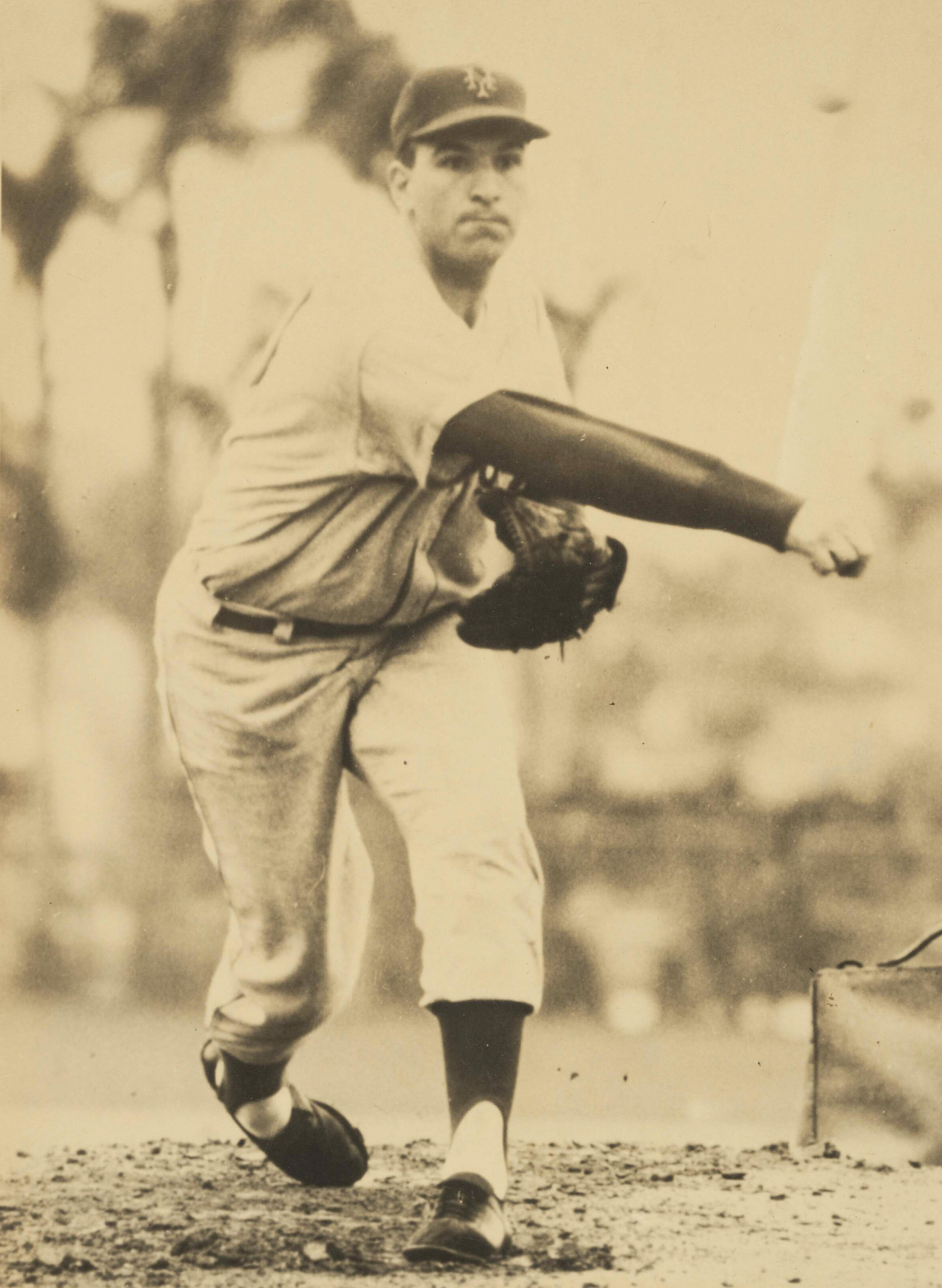
At the time, he was one of the youngest players on a team largely made up of veterans nearing the end of their careers. The Mets went 40-120 that season, setting a franchise record for losses. Despite the record, Anderson led the team in appearances and saves and became the first pitcher in Mets history to win a doubleheader.
Over the next two years, Anderson appeared in fewer major league games, citing roster changes and frequent movement between the Mets and their minor league affiliate, the Buffalo Bisons.
In 1965, the Mets loaned him out to the Double-A Indianapolis Indians. He returned to spring training in 1966 and joined the Triple-A Jacksonville Suns, where he went 8-2 and reunited with a former Cardinals manager.
Later that year, Anderson said he chose to retire from professional baseball to pursue a higher-paying job and support his wife as she worked toward her master’s degree.
“At that point, I wasn’t sure where I was going to be, so I wrote a letter to Lehigh,” Anderson said.
He later received a call from Paul Franz, Lehigh’s vice president at the time, who hired him in the development office. In 1967, Anderson returned to baseball as Lehigh’s pitching coach, mentoring generations of players.
Mitch Smith, ‘79, a 2023 Lehigh Hall of Fame inductee, was one of Anderson’s players. Smith said he grew close with Anderson as a fellow pitcher and even modeled his windup after him.
“I don’t think (Anderson) ever had an issue with anybody,” Smith said. “His legacy of consistent great relationships with people (is what) he should be most proud of.”
Peter D’Agostino, ‘85, a former team captain, said Anderson balanced discipline with enjoyment.
“He was a celebrity because he played major league baseball,” D’Agostino said. “You knew (he had) that aura about him.”
D’Agostino said Anderson’s calm demeanor stood out, noting that he taught players to remain even-kneeled in difficult moments.
Anderson coached for 34 years before retiring in 2000. He said he looks back on his time at Lehigh with pride, believing he helped players develop not only as athletes, but also in life beyond baseball.
Comment Policy
Comments posted to The Brown and White website are reviewed by a moderator before being approved. Incendiary speech or harassing language, including comments targeted at individuals, may be deemed unacceptable and not published. Spam and other soliciting will also be declined.
The Brown and White also reserves the right to refuse the publication of entirely anonymous comments.