



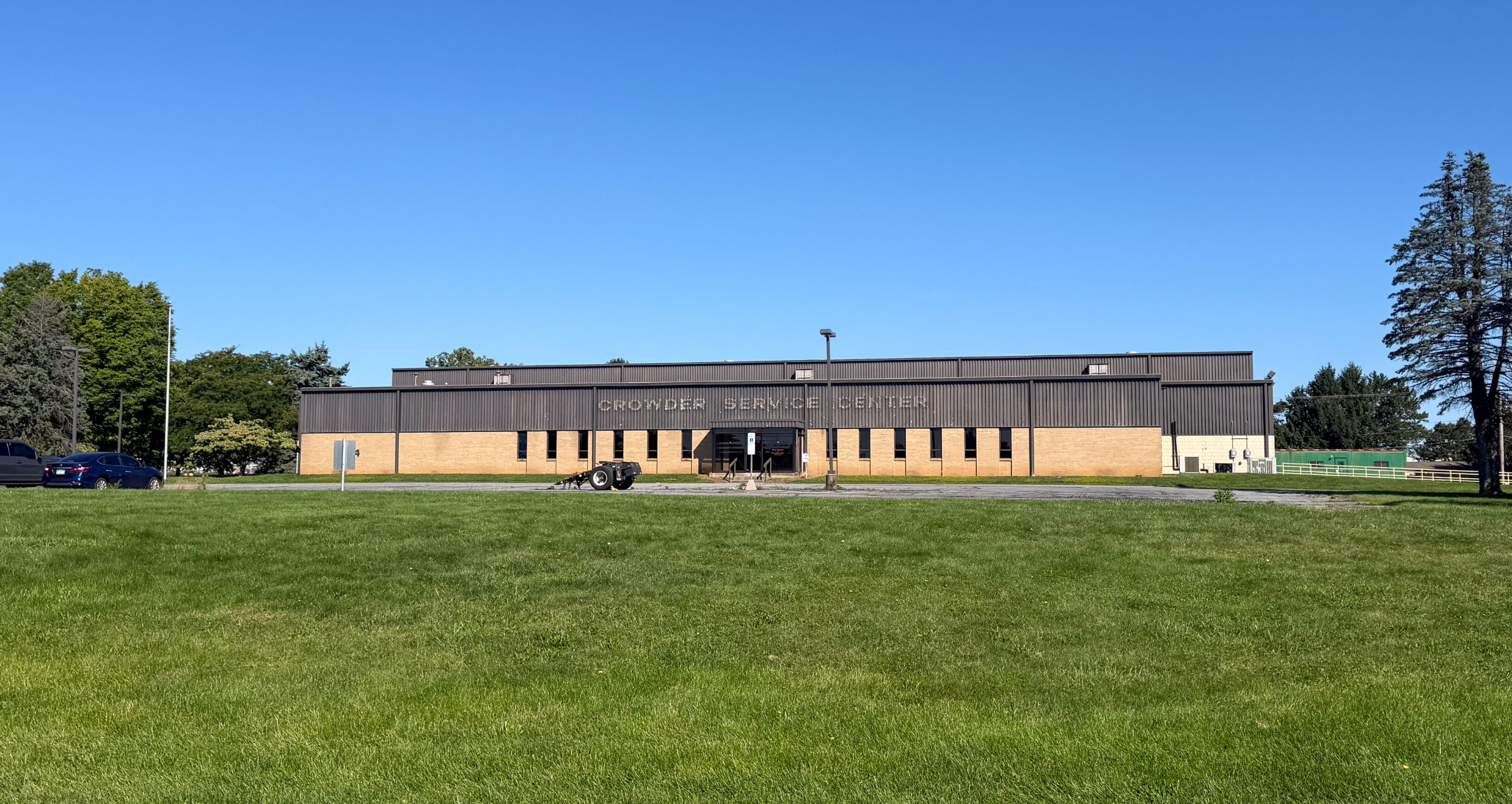
As plans for a new data center along Route 22 move forward, some Bethlehem area residents are questioning what the development could mean for the community.
The proposed facility is part of a broader conversation about the growth of data centers in the region and how communities balance economic development with potential local impacts.
The proposed Industrial Drive Data Center, set to be built at 2184 Industrial Drive in the Lehigh Valley Industrial Park I, according to a city of Bethlehem planning commission meeting.
The site is part of a larger shift toward expanding digital infrastructure across Pennsylvania, with Track Data Center listing 86 projects or preliminary activity entries across the state.
Maggie Riegel, a West Bethlehem resident and communications professor at Northampton Community College, said her concerns about the data center extend beyond the facility itself.
She said the large amounts of electricity and water needed to operate data centers could affect utility costs, local waterways, air quality and residents’ overall quality of life.
“It’s our electricity prices that are going to go up,” Riegel said. “It’s our clean water and our clean air that’s going to be sacrificed.”
Alberto Lamadrid, a Lehigh economics professor and researcher of energy and environmental issues, said the potential impacts of a data center depend largely on its size and technology.
Lamadrid said the term “data center” can describe facilities of vastly different sizes.
He also said hyperscale data centers, for example, can occupy the equivalent of multiple football fields and require tens or even hundreds of megawatts of electricity, presenting different concerns than those of small facilities.
The proposed Bethlehem facility would be about 130,000 square feet across its two floors and would be located in an industrial area along Route 22 without immediate residential neighbors.
Lamadrid said the location could be an important factor in determining the facility’s potential impact. Locations for data centers are typically decided by a myriad of factors, including proximity to consumers, communications infrastructure and access to electricity and water.
For the Route 22 project, Lamadrid said residents should consider the site’s existing use and what the facility could mean during both construction and operation.
These concerns come as the Lehigh Valley continues to experience rapid development of technology infrastructure, including the construction of warehouses and other large-scale facilities.
Jeff Ward, a Bethlehem resident, said the development also raises broader questions about whether Pennsylvania is prepared for the growing demands of data centers.
“It’s going to demand more electricity than most other uses, and how that’s going to play out, we don’t know,” he said.
Ward compared the growth of data centers to the region’s warehouse boom of the last decade, during which nearby municipalities faced similar challenges as large developments moved through the approval process.
He also said communities have struggled to keep pace with the rapid growth of new technology and the companies behind it.
“The technology is changing so fast, and you have billion and even trillion-dollar companies behind this,” Ward said. “People, I think, feel like they’re losing control of their community.”
Lamadrid said the region’s experience with warehouse development may also shape how residents respond to data centers.
He said the scale of warehouse development after the pandemic may have taken some residents by surprise.
“I think that the response to data centers may be tinted by that previous experience,” Lamadrid said.
Much of the concern surrounding the development stems from the rapid growth of data centers and the uncertainty surrounding artificial intelligence, Ward said.
Despite those concerns, Ward said the proposed Bethlehem facility was a smart choice, noting its relatively small scale, compared to data centers being developed elsewhere in the region.
For Riegel, however, she worries for the future of farmland and green spaces as rapid construction of large-scale data centers persist.
She attended a community meeting about data centers and artificial intelligence hosted by Lehigh Valley Stands Up. She said she wanted to learn more about the development and become more involved in local community efforts after completing her doctoral degree.
“We can’t have local farmers if we don’t have farmland,” Riegel said. “These things are popping up all over, and it takes a village to fight back,” she said.
Riegel said she hopes residents can influence development decisions by becoming more involved in local government and attending zoning and City Council meetings.
She pointed to a recent example in Bethlehem in which residents organized against a proposed townhome development near a longtime community member’s property. Riegel said residents attended zoning board meetings and ultimately saw the developer’s request denied.
“It’s about building community,” Riegel said. “It’s about fighting back, and it’s about protecting what we love.”
She also said she believes a similar effort could bring Bethlehem residents together around the data center issue. She encouraged residents to attend meetings, contact city officials and learn more about decisions affecting their neighborhoods.
The city of Bethlehem is currently in the process of updating its zoning ordinances. According to Ward, the process could take several weeks to a few months.
In the meantime, developers can continue submitting plans under the city’s current zoning regulations.
Lamadrid said transparency and communication will be important as Bethlehem considers how to approach future data center development. Developers can help address community concerns by explaining how they plan to manage issues such as electricity use, water consumption and noise pollution.
He also said the discussion should focus not only on whether data centers are beneficial or harmful, but on how communities, developers and regulators can weigh their potential costs against their economic benefits.
“A role for the community in that sense is to make sure that they’re informed about what is happening,” Lamadrid said.
Comment Policy
Comments posted to The Brown and White website are reviewed by a moderator before being approved. Incendiary speech or harassing language, including comments targeted at individuals, may be deemed unacceptable and not published. Spam and other soliciting will also be declined.
The Brown and White also reserves the right to refuse the publication of entirely anonymous comments.