



In between studying for exams, staying involved in clubs and maintaining a social life, students scroll through LinkedIn and Handshake looking for summer internships.
As these internships become increasingly competitive, applying can start to feel like a numbers game. Students submit resumes and cover letters to company after company, sometimes focusing more on securing an internship than considering whether they actually want each position.
For employers dealing with hundreds or even thousands of applications, individually interviewing every candidate is unrealistic. One solution is the one-way video interview.
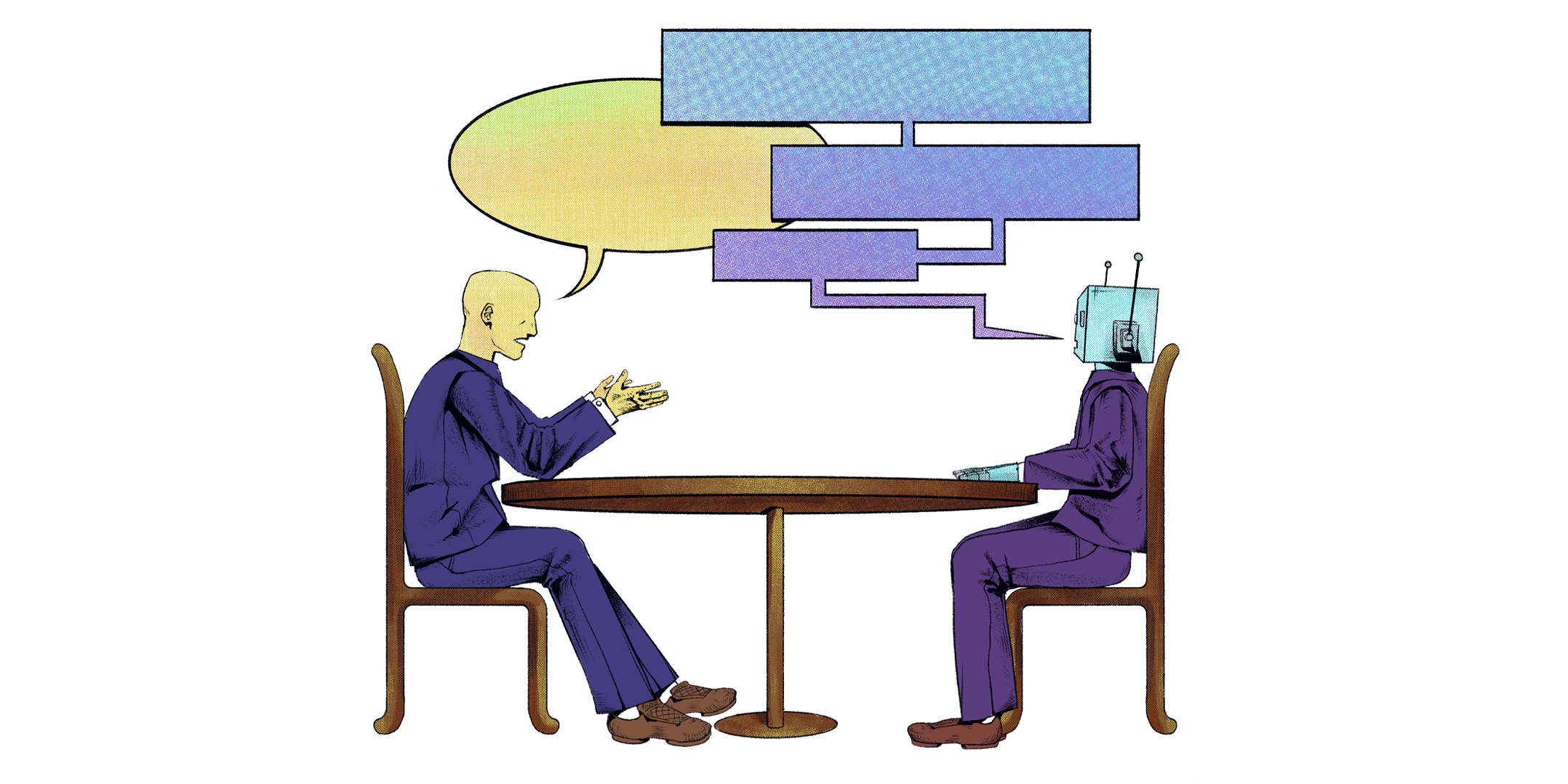
Platforms such as Hirevue allow employers to give candidates prerecorded questions and review their responses before deciding who advances to a live interview.
At first, the Hirevue can feel like just another hurdle.
Candidates may have only a small amount of time to prepare before recording an answer. Some interviews don’t allow retakes. Applicants are expected to dress professionally, look into the camera, appear natural and give a polished response, all without another person on the other end of the conversation.
But maybe the awkwardness of the HireVue isn’t entirely a bad thing.
One of the most predictable interview questions is also one of the most important: Why do you want to work here?
For students submitting too many applications to keep track, that question can be harder to answer than expected. It’s easy to click “apply” on a position that sounds interesting, especially when the pressure to secure a summer internship makes every opportunity feel like one worth pursuing. It’s much harder to look into a camera and convincingly explain why that particular company and position stands out from all the rest.
It forces candidates to step back and consider whether they want to change into business casual, prepare responses and spend time recording an interview for a company they may not be interested in.
In that sense, the screening process can work both ways. Employers use one-way interviews to decide which candidates advance to live interviews, and candidates can use the process to reconsider whether they want to continue pursuing the employer.
Deciding not to complete a Hirevue doesn’t necessarily mean the process failed. If preparing for the interview makes a candidate realize they can’t explain why they want the position, the process may have served its purpose.
That doesn’t make one-way interviews perfect. A prerecorded response can’t replicate a conversation with a recruiter. Candidates can’t read someone’s reactions, ask questions about the position or get a sense of the people they could eventually work alongside.
Live interviews remain important because finding the right fit should work for both parties.
However, the Hirevue doesn’t have to be viewed solely as an obstacle standing between an applicant and a real interview.
It can also be a reason to stop and consider whether getting further in the application process is actually the goal.
With the pressure surrounding summer internships, it can be tempting to apply everywhere and worry about the details later.
But if “Why do you want to work here?” is impossible to answer, withdrawing an application might be more valuable than making it to the next round.
Comment Policy
Comments posted to The Brown and White website are reviewed by a moderator before being approved. Incendiary speech or harassing language, including comments targeted at individuals, may be deemed unacceptable and not published. Spam and other soliciting will also be declined.
The Brown and White also reserves the right to refuse the publication of entirely anonymous comments.