



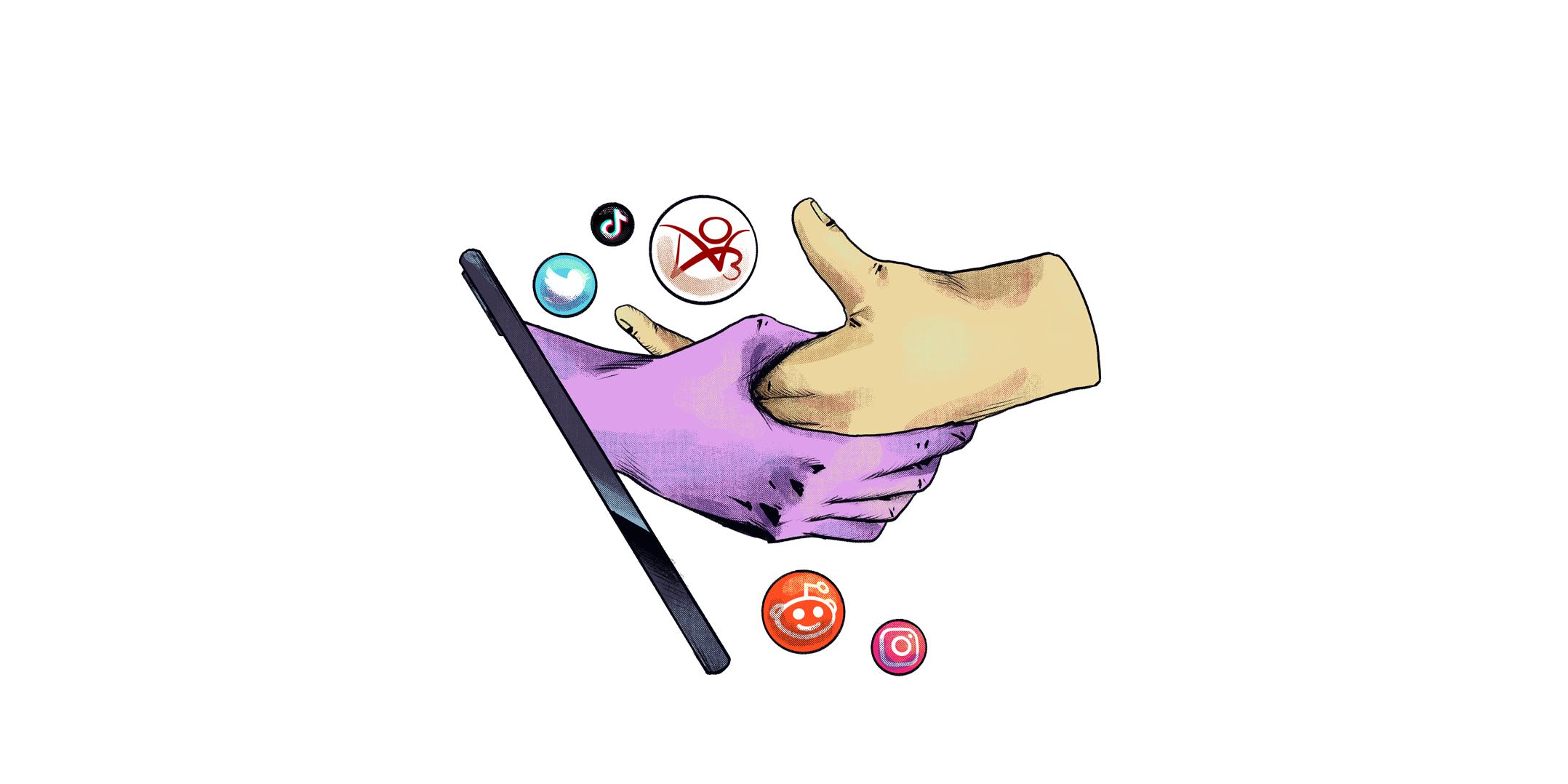
There’s nothing quite like the feeling of finding a group of people online obsessing over the same book you love or the Netflix show you thought was cancelled too soon.
When it’s New Music Friday, you check social media to see what other fans think of a new song you thought was just OK.
With algorithms, it’s never been easier to cater the content you watch and the people you meet to your interests. We form connections with people across the world over commonalities and find comfort in strangers online.
These online communities can be informative and create meaningful friendships with people users might never meet otherwise. But, when the platform is lost, the communities leave with them.
On Oct. 29, Archive of Our Own — a non-profit website for user-generated fanworks — went down for 12 hours for its usual maintenance. Later that day, the site’s status page updated that it was hacked and recovery attempts were estimated to be at least two weeks, but could be up to a month.
Users immediately flocked to social media to express their frustrations and fears of not having their online community for all of November.
Readers wondered how they could go through the next month without reading fan fiction about their favorite movies and TV shows. Writers mourned the loss of comments and support for the next chapters of their books.
Everything disappeared.
Digital globalization is an incredible development for communication. People from across the world can interact simultaneously, increasing diversity and offering perspectives we never had before.
But, we can become too dependent on online communities and social platforms that when they’re taken away — in the case of power outages, maintenance or even entire bans — we don’t know how to connect outside of them.
A month without a group chat shouldn’t feel like the world is ending.
The problem isn’t the online communities. The problem is we’ve allowed online platforms to be the only place these communities exist. We should have the ability to bond away from a screen.
Of course, finding friendships doesn’t always come naturally to everyone. For those with niche hobbies or interests, an online community can be an opportunity for people to bond with each other miles or worlds away.
These relationships aren’t less meaningful because they exist behind a screen. However, friendships shouldn’t only exist on a website that could crash at any waking moment.
For the days leading up to the TikTok ban in January 2025, users cried, posted secrets and drafts of unposted content to their followers they thought they’d never see again. Millions planned to move to another app called RedNote, a Chinese social media platform that operates similarly to TikTok.
Instead of taking the time to disconnect, people were so dependent on the app they went to another one just to have the same feeling.
We can have that feeling without our devices.
Communication has become too easy. We’ve become too dependent on the convenience of finding people exactly like us online, we lost the art of organically meeting people in person.
Spark a conversation with someone you notice wearing merchandise of your favorite artist so you can obsess over new songs together. Start a club over a niche hobby, and you’ll find someone who loves it just as much as you do.
Find those niche communities in those around you and make an effort to connect in person, so when the power goes out, your friendships don’t.
Comment Policy
Comments posted to The Brown and White website are reviewed by a moderator before being approved. Incendiary speech or harassing language, including comments targeted at individuals, may be deemed unacceptable and not published. Spam and other soliciting will also be declined.
The Brown and White also reserves the right to refuse the publication of entirely anonymous comments.