



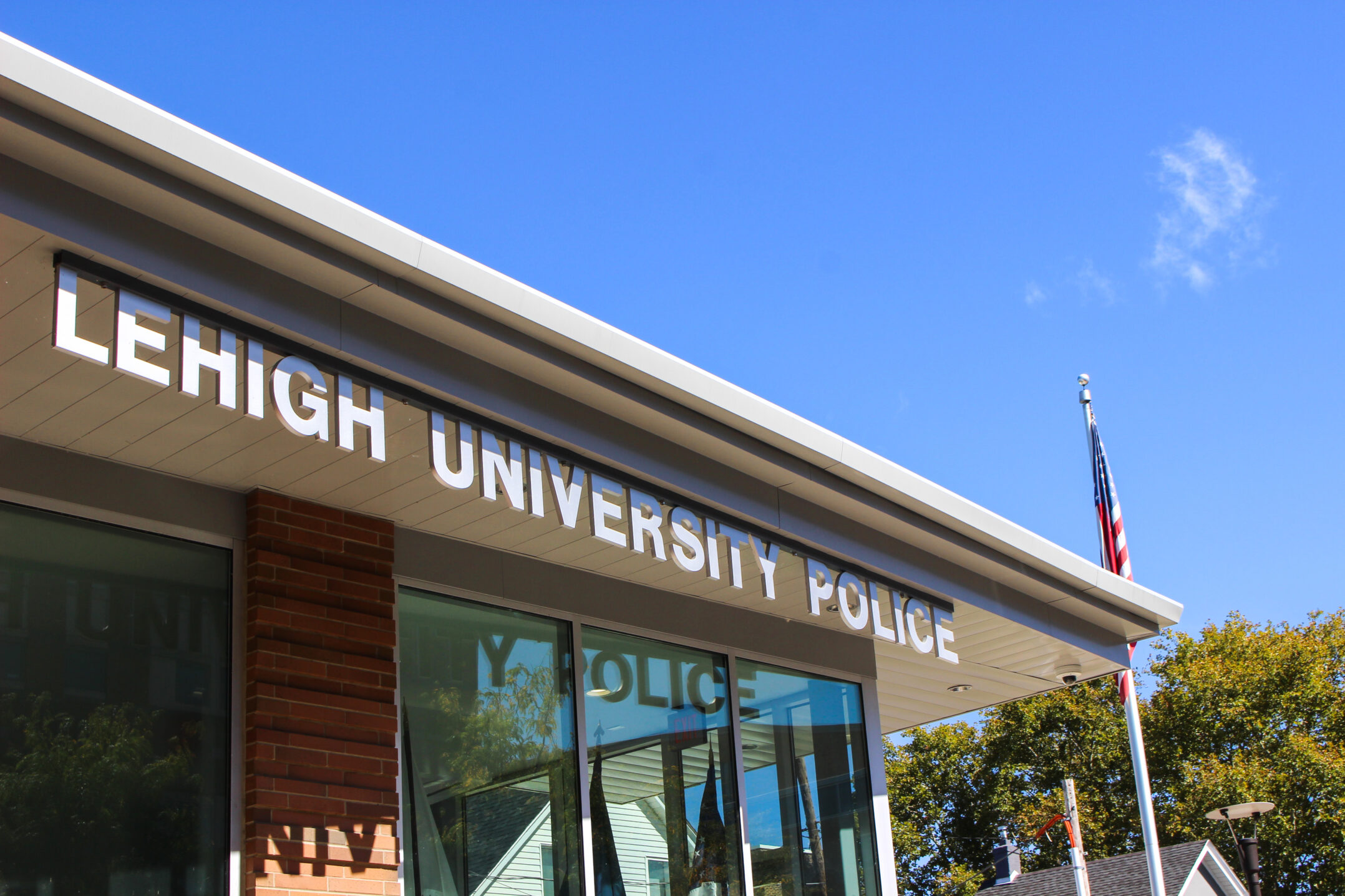
Lehigh University Police are working to improve a new communication system for campus safety incidents with students, using AI to turn police records into a weekly digest of calls for service, recurring issues and safety recommendations.
The Lehigh Safety Ledger, developed by Associate Vice President and Chief of Police Jason Schiffer, is intended to give students a clearer picture of police activity and what happens after incidents are reported. The initiative uses AI to summarize routine police activity and recurring incidents, with the goal of increasing transparency while protecting sensitive information.
Schiffer said the ledger grew out of conversations between LUPD and students who questioned how the department handled incidents, including racist messages and imagery that surfaced on campus last spring, which do not meet the federal criteria for a HawkWatch alert.
Tasfia Ahmad, ‘27, then the facilities and services chair of the Student Senate, was among those who pushed for greater communication between LUPD and the campus community.
Ahmad said she first contacted Chief Schiffer and Detective Lt. Dave Kokinda in Lehigh Police’s Investigative and Professional Services Division in late February after an inappropriate comment about George Floyd was written on a BORG.
She said a subsequent incident involving blackface on a BORG further intensified student frustration.
At the time, Ahmad was also vice president of the Women of Color Alliance. She said she heard members of the club expressing confusion and frustration over the university’s slow response to the racist incidents and questioning how the university was addressing the situation and whether reported cases were being investigated.
During conversations with LUPD, Ahmad learned officers had investigated some incidents students believed had gone unaddressed. However, information about those investigations hadn’t been communicated to the broader campus community. Ahmad didn’t cite specific examples.
In some cases, LUPD and the Office of Student Conduct and community expectations had taken action, but federal privacy protections and other legal restrictions limited what could be disclosed to those involved.
“It wasn’t per se like, ‘Oh, LUPD wasn’t doing anything,’” Ahmad said. “It was just a matter of the communication that wasn’t being shared to the community members that they were doing something.”
Ahmad suggested creating a platform where university police could share general updates about incidents and departmental activity without disclosing confidential details.
She said Schiffer was receptive to the idea, and began developing drafts with student input starting in early April.
Schiffer began working with Information Technology Services to develop an artificial intelligence tool to synthesize police records into a readable format.
Before the data is entered into the tool, sensitive information, including names, phone numbers and addresses, are removed manually.
He said he reviews, proofreads and edits the output before publication. The tool is intended to organize information and identify patterns, not independently publish reports.
Developing the tool required several rounds of adjustments to produce consistent results.
Schiffer said early tests in April generated promising reports, but the output varied when the same data was processed repeatedly. He refined the instructions to improve the consistency and reliability of the summaries.
The first edition of the Safety Ledger was published on Aug. 23, but Schiffer described the initiative as a work in progress.
The department continues to refine the system and determine how to present information consistently on its website.
Kokinda said providing information about investigative outcomes, when legally permissible, could help address those concerns and demonstrate that police are responding to reported incidents.
“If we can provide that transparency and quell any concerns that, ‘Hey, listen, this is being investigated, this is the outcome,’ people that were involved were held accountable,” Kokinda said. “I think that goes a long way in police legitimacy.”
For Ahmad, improving communication is particularly important when students are deciding whether to report incidents in the future.
She said students who don’t know whether their concerns are being addressed may become less willing to report incidents or share information with university officials.
Ahmad hopes the ledger will give students greater confidence that their concerns are being heard and addressed by Lehigh University and help rebuild trust between the university and the campus community.
Schiffer said the lack of follow-up information can leave students questioning whether police have taken action after an incident is reported, even when an investigation has occurred.
“There’s a perception issue that maybe the police didn’t do something about an incident because the student who reported an incident, they don’t see what happens at the back end,” Schiffer said.
He said the ledger is intended to address that gap by providing information about police activity that doesn’t warrant an emergency notification but may still be relevant to the campus community.
Students can access the ledger through HawkWatch by selecting “Campus Safety Resources” and then “Lehigh Safety Ledger.” The link appears alongside the university’s Clery Act crime log.
However, making the ledger available doesn’t necessarily mean students know it exists.
Ahmad said consistent outreach will be necessary to encourage students to use the resource. She suggested that the university periodically notify students about new updates rather than relying exclusively on them to seek out the website.
Kokinda also said promoting the ledger through social media could help increase awareness and make the information more accessible to students.
“I think getting it out in socials would probably be more beneficial too,” Kokinda said. “I think it’s a little bit easier to consume, and obviously people aren’t going to Lehigh University Police Department website as much as they would be scrolling through Instagram or TikTok.”
Schiffer said he hopes the ledger will become a resource for students and a starting point for further questions from the campus community, including student journalists.
He also said the initiative isn’t intended to replace emergency notifications or Lehigh’s legally required reporting. Instead, it’s meant to supplement existing communication channels with information that may otherwise go unreported.
Schiffer said he welcomes feedback as the university continues developing the project.
“Our goal is to be transparent and as helpful as possible,” Schiffer said. “Student input is really important.”
Comment Policy
Comments posted to The Brown and White website are reviewed by a moderator before being approved. Incendiary speech or harassing language, including comments targeted at individuals, may be deemed unacceptable and not published. Spam and other soliciting will also be declined.
The Brown and White also reserves the right to refuse the publication of entirely anonymous comments.