



Lehigh’s Engineers Without Borders expanded its outreach team from two students last year to more than 30 this year, while continuing to work toward a safe drinking water system for a community in the Dominican Republic.
Samantha Sandhaus, ‘28, Engineers Without Borders’ international project manager, said the student organization has approximately 100 members involved in international engineering work, local partnerships and educational outreach.
Polina Maller, ‘27, a civil engineering major and vice president for Engineers Without Borders, said the organization’s only formal project is its international initiative, while its work with local schools and organizations is considered outreach.
Emma Najarian, ‘28, outreach chair for Engineers Without Borders, said the membership growth has created new responsibilities for coordinating students and assigning meaningful work.
Engineers Without Borders outreach initiatives include partnerships with local schools, community organizations and on-campus fundraising efforts.
At Liberty High School, members previously helped construct an aquaponics system involving a fish tank and filtration equipment, which, according to Britannica, means the system converts fish waste into nitrates for plants and then purifies the water for the fish.
Although the system is complete, Najarian said the club has continued its relationship with the school through its STEM club, where Lehigh students speak with younger students and serve as peer mentors.
Members also plan to visit engineering classes at the high school next semester to discuss their experiences as college students, different engineering disciplines and Engineers Without Borders’ international work.
Najarian said these conversations include advice about college applications and engineering opportunities students can pursue before entering college.
The club is also preparing to begin a tutoring initiative at Brigadier General Anna Mae Hays Elementary School in Allentown, where Najarian said members hope to help students with homework and provide additional academic support.
Engineers Without Borders also works with the Boys & Girls Club in Allentown, where members help build shelving units for food storage and develop garden spaces.
Maller said the work involves more than constructing resources, as club members also engage directly with children and introduce them to engineering.
“It’s also creating a curriculum for the kids and going over there and actually working with them face-to-face and getting them excited about engineering,” Maller said.
Other local outreach partnerships include the Monocacy Farm Project, where members are working on a rainwater-collection system and garden initiatives.
Najarian said community relationships play a central role in how Engineers Without Borders approaches its work.
“We really, really care about the partnerships that we develop,” Najarian said.
She said members must communicate with organizations and understand their needs rather than decide independently what should be built or changed.
Najarian said the club’s four faculty and staff advisers also help members reflect on their responsibilities and communicate respectfully with community partners.
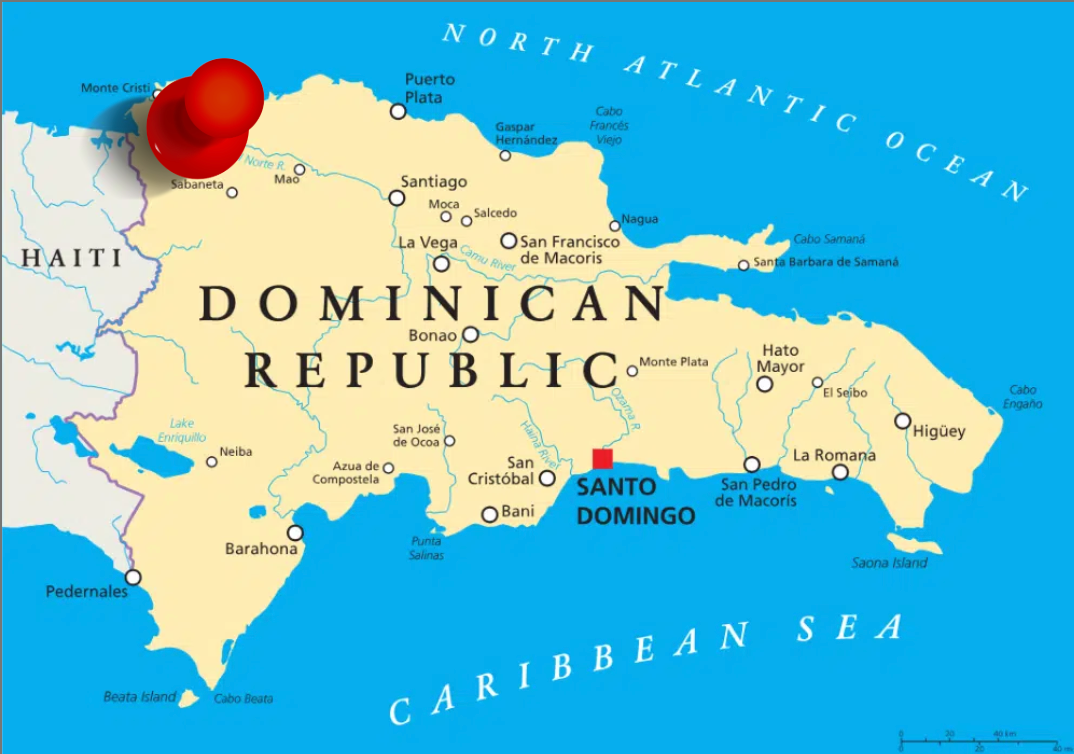
Beyond local outreach, the organization continues working on its international water project in La Recta de Sanita, a community of about 500 residents near the Haitian border in the Dominican Republic.
Sandhaus said Engineers Without Borders has worked with the La Recta De Sanita community since 2022.
In March 2026, Sandhaus and Najarian traveled with other club members to the Dominican Republic during spring break to assess water quality and better understand the community’s water needs.
During the eight-day trip, students conducted a survey of approximately 100 households and collected water samples to evaluate drinking water quality.
Sandhaus said testing revealed contamination in more than 90% of the samples, highlighting the challenges residents face in obtaining safe drinking water.
The club’s proposed water system development consists of two phases, beginning with drilling a well to access an underground aquifer.
The second phase involves constructing a storage system capable of holding approximately 10,000 gallons of water and distributing it through tap stands near households.
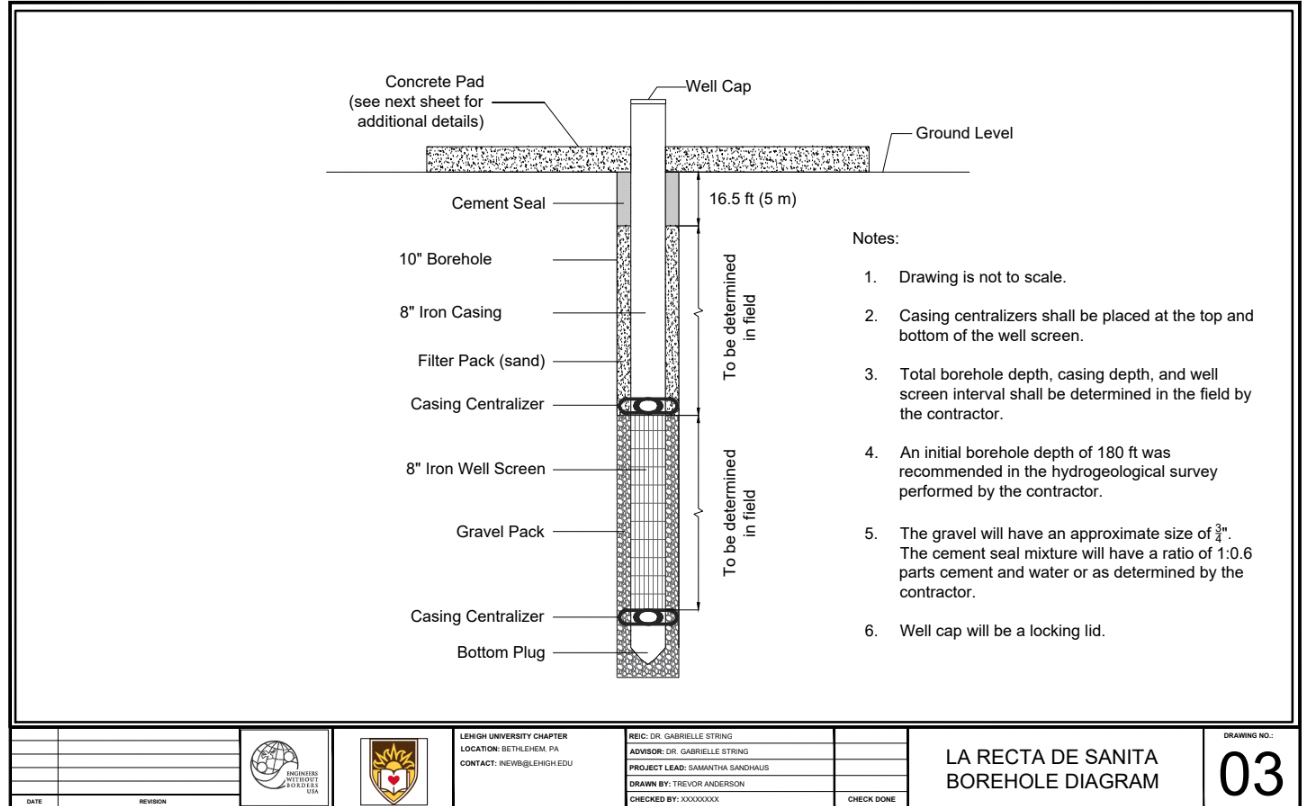
Although the club received technical approval for the first phase from Engineers Without Borders USA, Sandhaus said financial and permitting challenges have delayed implementation.
“From a technical standpoint, we could have drilled the well already,” Sandhaus said.
Sandhaus said the organization lost a grant from the U.S. Agency for International Development in 2025, after the agency was placed on permanent administrative leave, and has since worked to secure additional financial support.
Sandhaus said the club has raised approximately $17,000 through independent fundraising efforts for the international project.
She said the organization also recently received a $5,000 Impact Fund award from Engineers Without Borders USA.
Najarian said outreach members have also been involved in fundraising efforts, including launching a GoFundMe campaign to support the international water project.
Reflecting on her experience in the Dominican Republic, Najarian said the work in the Dominican Republic reinforced the importance of listening to residents and maintaining communication with community partners.
She said it was difficult to visit a community that has waited years for improved water access without being able to promise an immediate solution.
Najarian said the club communicates with its partners through messages, emails and regular discussions to demonstrate its continued commitment to the initiative.
In addition to its community work, Engineers Without Borders provides opportunities for members to develop leadership, communication and problem-solving skills.
Maller joined the club during her first semester at Lehigh after learning about it at the club fair and joined with the hope of gaining engineering experience alongside upperclassmen.
She served as membership chair and project manager before becoming vice president.
Maller said those experiences helped her develop skills in communicating with partners, making engineering decisions and preparing for internships.
She also said the executive board reorganized responsibilities to improve collaboration and ensure members are aware of club activities.
Najarian said that through her involvement in the club, she has built friendships, developed relationships with professors and gained professional experience communicating with contractors and community partners.
She said working on the international project helped her realize that engineering involves communication and collaboration as much as technical knowledge.
Both Maller and Sandhaus emphasized that students don’t need to be engineering majors to participate in the organization.
Najarian said the club also values interests in writing, communication, business and mentoring.
“We’re not looking for just engineering students, because everyone has a place,” Maller said.
She said working in smaller teams allows members to form relationships while contributing to ongoing activities.
“I think it’s just about wanting to have an impact on your community,” Sandhaus said.
Comment Policy
Comments posted to The Brown and White website are reviewed by a moderator before being approved. Incendiary speech or harassing language, including comments targeted at individuals, may be deemed unacceptable and not published. Spam and other soliciting will also be declined.
The Brown and White also reserves the right to refuse the publication of entirely anonymous comments.