



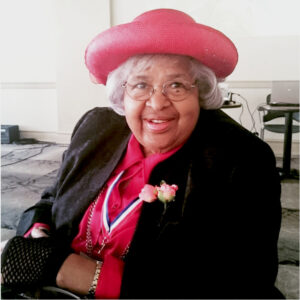
Esther Lee is a Bethlehem native, educated in Bethlehem Area Schools, graduating from the Liberty High School Class of 1951. In Nov. 1971, she was the first Black person and first woman elected to public office in the city of Bethlehem and the Lehigh Valley.
Decades ago, Black and brown residents lived in segregated facilities. For residents who were classified as “Colored,” “Black” or “African American,” employment was limited to working in domestic positions for women and construction work for men, as Bethlehem enjoyed a degree of segregation.
Urban renewal projects in the 20th century were undertaken with a social justice intent — to create new opportunities for marginalized populations concentrated in blighted urban areas who were suffering the effects of what we now accept as intentional government policies of institutional and systemic racism.
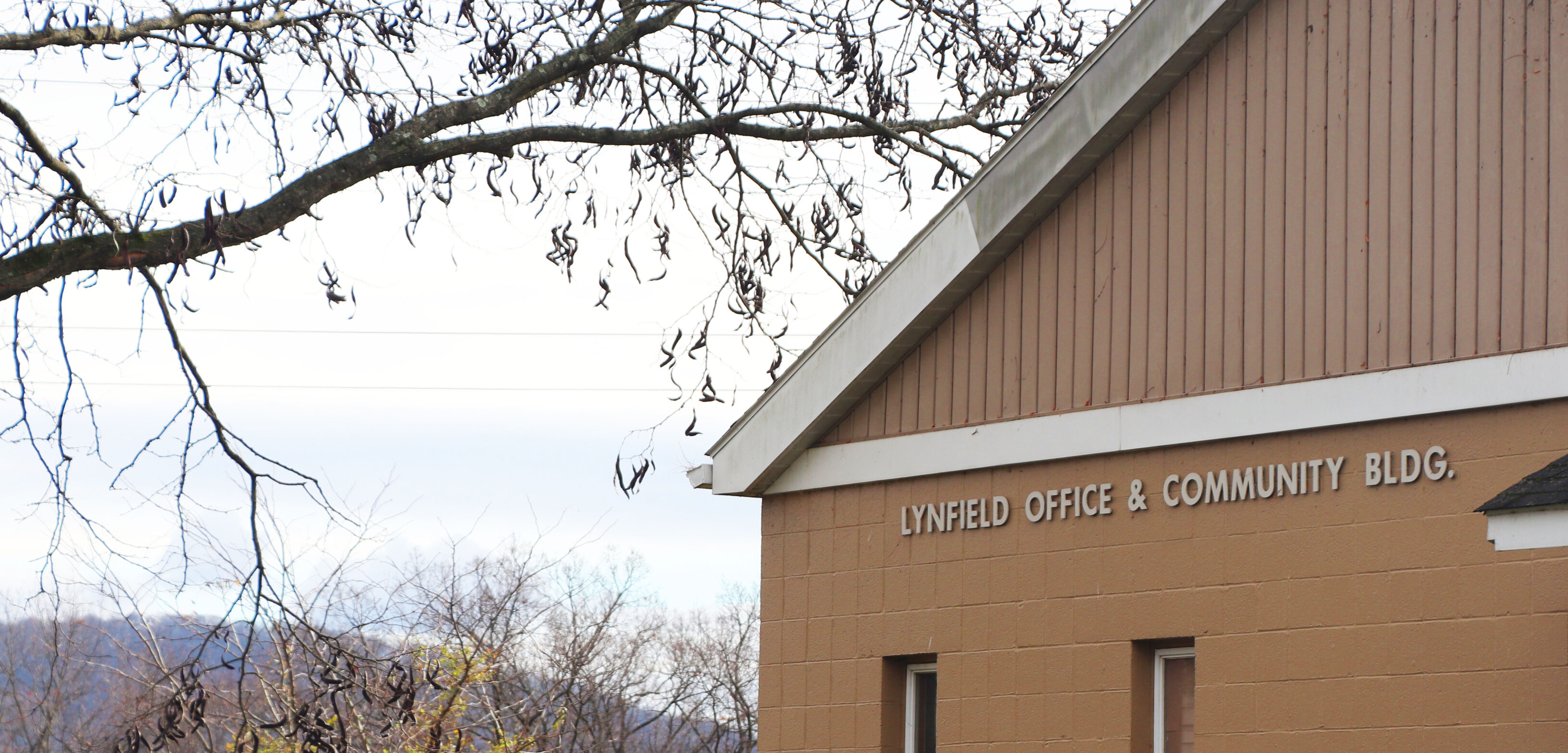
Yet, from my post as the president of the Bethlehem NAACP over the past 50 years, the drive to promote desegregation and equal opportunity has certainly not been the case for the families who live in the Lynfield Housing Project, a housing development in South Bethlehem for low-income residents.
It’s far to the contrary.
A closer look reveals that relative to this project’s community, Bethlehem projects have intended to extend social control rather than create economic opportunities and safe environments for neighborhood residents, where children can grow and thrive. For me, it is unconscionable that families who live across the 412 Bridge have no grocery stores, making them food deserts with no access to healthy and nutritious foods.
Past projects, like the demolition of 331 residential homes in Northampton Heights to provide for the Bethlehem Steel Basic Oxygen Furnace, have been far more beneficial to the privileged few than the low-income children and families who are residents in the neighborhood. And those who pay comparable residential taxes for fundamental services remain forgotten.
In 1960, as my own children entered the Bethlehem Area School District, I became involved in the elementary school in South Bethlehem (Madison School, which is now demolished). I noticed racial concerns and began inspecting with a diverse group of other parents about the educational problems affecting our children.
As an outspoken parent, I became a member of the PTA, then PTA president and finally, the President of the city’s PTA. This became a strong organization at that time.
Laws then broadly began to change affecting segregation in the country. I sought public office with the support of the city’s PTA and the Democratic Party to seek a seat on the district’s Board of Education.
Fair education was and continues to be my emphasis for Black and brown children, specifically as the numbers increase for students engaged in the special education programs. Too many students are sliding through the system without knowing the basics.
Today, communities across America are engaged in a process of racial reckoning. These efforts are intended to redress historic policies of institutional and systemic racism that are incongruent with our democratic ideals.
As I see it, the time is long past due for Bethlehem politicians and government officials to do the same.
Over my tenure as president of the Bethlehem NAACP, the living conditions have not significantly changed for the children and families who live in Lynfield Projects.
To do better, I encourage city planners and officials to partner with the Lehigh academic community and engage in a planful study process. Such an initiative would generate the data needed to develop strategies with proven effectiveness in solving problems thought to be intractable in long-neglected urban communities.
The political will to act proactively in addressing embedded racial inequities for families in the Lynn Street district is absent. I encourage our membership, and other citizens who have an interest in the future development of underserved populations and under-resourced Bethlehem communities, to exercise the right to vote and vote them out of office.
That said, in keeping with the tradition of the NAACP, we must then use our collective vote to give a political voice to communities of color — and vote into office individuals committed to investing in the creation of sustainable communities that promote economic development and safe environments with the amenities all children need to grow and thrive.
Comment Policy
Comments posted to The Brown and White website are reviewed by a moderator before being approved. Incendiary speech or harassing language, including comments targeted at individuals, may be deemed unacceptable and not published. Spam and other soliciting will also be declined.
The Brown and White also reserves the right to refuse the publication of entirely anonymous comments.