



In recent years, there’s been a growing awareness of the particular challenges Black people face at predominantly white institutions (PWIs). One aspect of this experience that deserves attention is the perception of Black hair, which not only affects the professional career world but also extends its impact into the social dynamics within PWIs.
“Ghetto”, “nappy” and “unkept” are words I have continuously heard to describe Black hair. Although completely untrue, society has deemed Black hair “unprofessional.” These ideas hold roots in the Eurocentric beauty standards that have permeated our society for centuries.
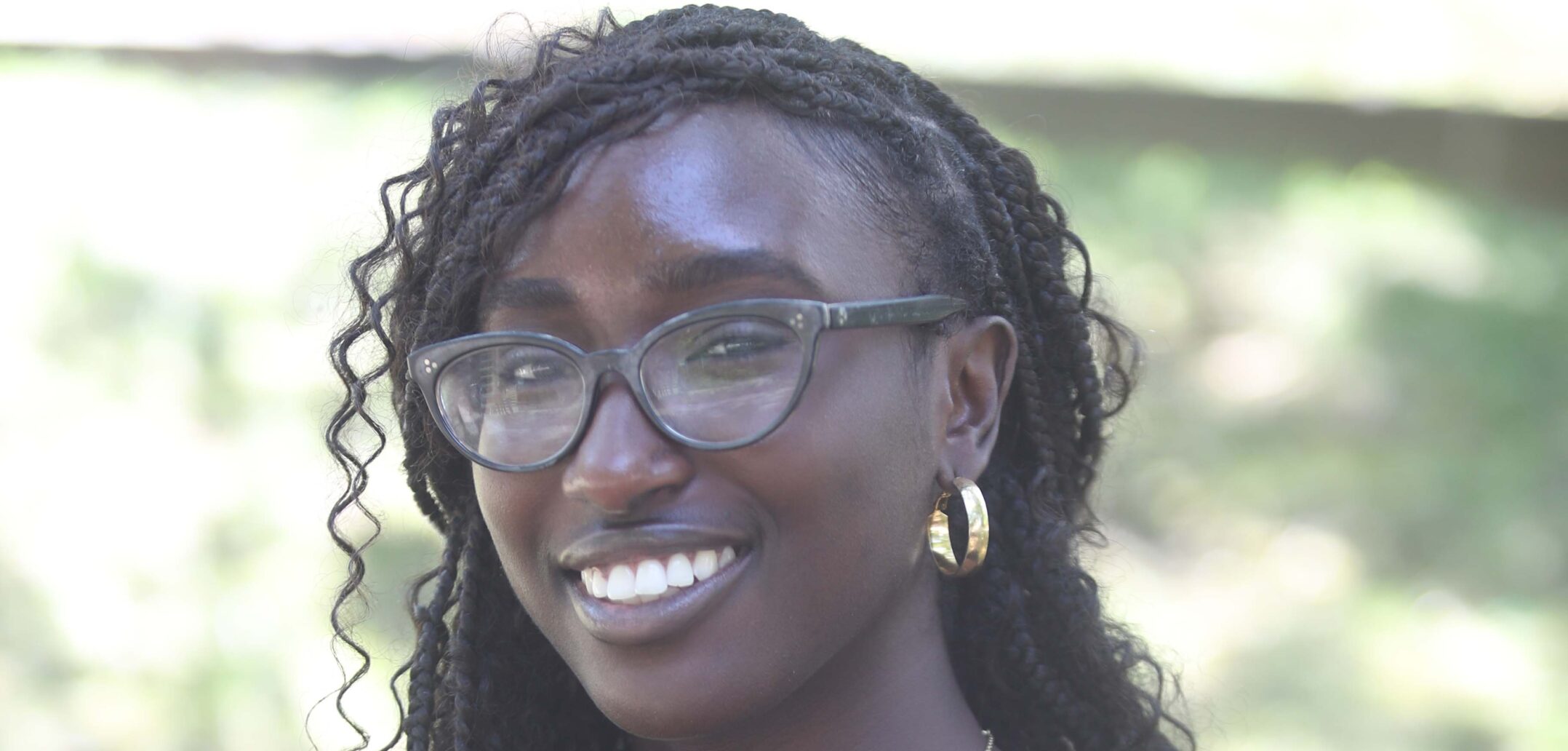
I’ve been a naturalista (a person who wears their natural hair) for two years. Before that, I chemically straightened my hair. Upon my arrival at Lehigh, I couldn’t help but notice the stares at my hair, whether out of admiration, curiosity or bewilderment.
Occasionally, I wondered if my decision to showcase my natural hair defied conventional norms, which I can assume it did.
I began to wonder how Black hair was perceived. This led me down a rabbit hole of wondering how extensive the perceptions of my hair were.
Black hair, diverse in its textures and styles, has often been stereotyped and biased. In PWIs, where the majority may not be familiar with the nuances of Black hair, these stereotypes can manifest in various ways.
“The Good Hair Study” report by the Perception Institute found that the average white woman showed explicit bias toward Black women with textured hair.
This same study also found that even though all women worry about their hair to some extent, Black women experience higher levels of anxiety concerning their hair as compared to white women.
A separate research study by Duke University also found that participants within the study perceived Black hairstyles such as afros, twists and braids as “less professional.”
With this in mind, it’s important to remember the environment that has been cultivated at PWIs continues to perpetuate these biases. In turn, these biases against Black hair in the college world are mirrored in the professional world. For example, discriminatory dress codes disproportionately target natural Black hairstyles, which could also limit career advancements.
The Perception Institute also found that one in five Black women felt social pressure to straighten their hair for work.
But it doesn’t stop here — the policing that Black people have had to face over their hair is constant.
In the case of U.S. Equal Employment Opportunity Commission v. Catastrophe Management Solutions, hopeful employee Chastity Jones applied to work as a customer service representative with Catastrophe Management Solutions. She wore locs throughout her interview process and they hired her. But later on, CMS requested Jones cut her locs, and after Jones’ refusal, CMS rescinded their offer.
There needs to be a growing shift and movement toward the inclusivity of diverse hairstyles in both the academic and professional world.
Fortunately, in 2019, The CROWN Act was first introduced in the United States to combat discrimination against Black hair. The law “prohibits the enforcement of any grooming or dress code policy that disproportionately affects people of color and adds natural hair as a protected characteristic associated with race as a protected class.”
The perception of Black hair in PWIs reflects broader societal biases that extend into the professional world. Stereotypes and biases surrounding natural Black hair impact career opportunities and contribute to systematic racism.
Despite this, there is a sliver of hope that resides in me. As awareness grows and initiatives are implemented to promote inclusivity, there’s hope for a more equitable future where individuals of all backgrounds can embrace their natural hair without fear of discrimination.
Addressing these biases requires ongoing efforts from educators, employers and members of society to foster an environment that celebrates diversity in all its most beautiful forms.
I hope for a future where I don’t have to pick up heat styling tools and apply them to my natural hair just to build a career.
I hope for a future where I don’t have to shrink who I am to be elevated in the professional world.
Comment Policy
Comments posted to The Brown and White website are reviewed by a moderator before being approved. Incendiary speech or harassing language, including comments targeted at individuals, may be deemed unacceptable and not published. Spam and other soliciting will also be declined.
The Brown and White also reserves the right to refuse the publication of entirely anonymous comments.