



Ashley Sciora has seen the trials that students in the Lehigh Valley face when they come home from school every day. High crime rates. Gang activity. No food on the table.
As the community school director at Paxinosa Elementary School in Easton, which has a poverty rate of 86 percent, Sciora regularly sees the effect that turbulent home lives can have on a student’s performance in the classroom.
While public schools offer students support to get rid of stressors that could be impeding on a child’s performance in the classroom, Sciora says that without adequate funding, providing them with the resources they need isn’t possible.
Following a national model, the United Way of the Greater Lehigh Valley has identified schools in low income, high risk areas as community schools. By creating partnerships between the schools and local businesses and organizations, the United Way allocates funding for community schools to connect students with programs that will help them succeed.
The partners’ primary responsibility is to provide the salary for a community school coordinator to be on staff in each school. The coordinator’s job can vary depending on the size of the school and what their needs are.
“We are the folks who are brought in to figure out how to get them resources and how to get them to succeed in school,” Sciora said.
While some coordinators focus on connecting parents in need with the resources in the community, Erika Davis, the community school coordinator for Cleveland Elementary School, is able to do more hands on work with students due to the school’s small size. Currently, Cleveland does not have its own social worker and shares its guidance counselor with another school. But following the school’s community-based ideology, the faculty and staff work together to make sure everything runs smoothly.
Davis said their teamwork helps her to better do her job. She takes advantage of the teachers’ close relationships with their students to find out their needs. A teacher who sees a student wearing the same ripped pair of pants to school every day might approach Davis to see if she could help.
“In these situations, we’re able to pull out a brand new pair of pants and say, ‘Here you go,’” Davis said. “That’s something that a normal elementary school could not do. They might say, ‘I’m really sorry but that parent has to go out and find the money to get them more pants.’”
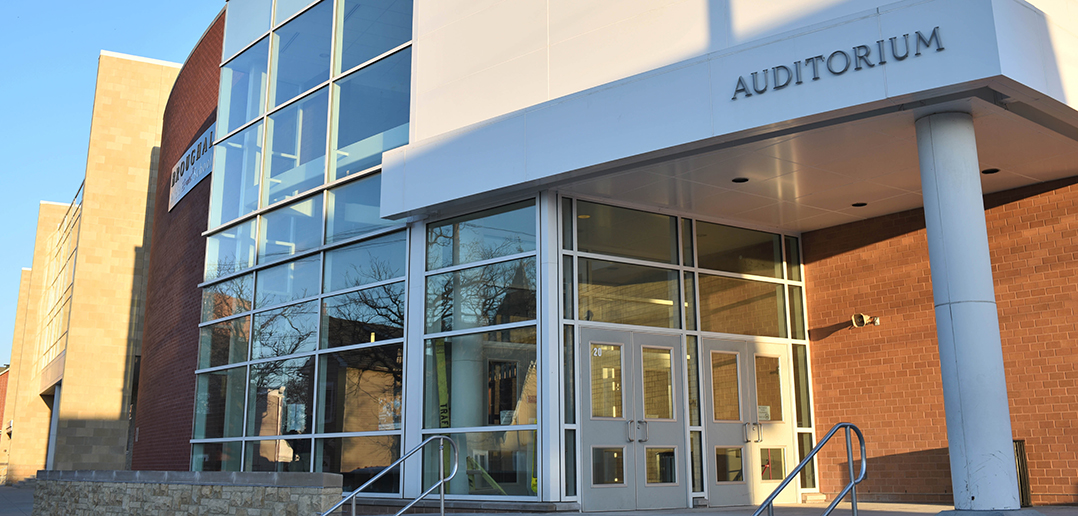
George White, a professor in the educational leadership program at Lehigh, worked closely in developing Lehigh’s partnership with Broughal Middle School and Donegan Elementary school. As the director of the Center for Developing Urban Educational Leaders, White looks at what factors urban schools need to succeed that aren’t being taken care of. In addition to funding, Lehigh provides academic support to elementary school students with the Homework Club program. But aside from reading and math, the center considers community needs like public health.
“Almost immediately when we started the community school, we reached out to St. Luke’s Hospital,” White said. “Part of that early work was to create a free health clinic that is run one Saturday a month where medical students from the St. Luke’s medical school, under the supervision of physicians from St. Luke’s Hospital, provide our families with free health care.”
While many public schools provide their students with services like vision testing, the community school model goes even further and sees through that a student is able to receive the medical care they need. Rosa Carides-Hof, the community school coordinator of Donegan Elementary School, often connects parents with both national and local programs that can help them when they are unable to afford treatments.
“I have parents calling me and saying, ‘Mrs. Hof, I know that my child failed the vision test, but I don’t have health insurance to pay for glasses,'” Hof said. “Then I say, ‘No problem, there is a voucher program that can get your child a pair of glasses.’ I talk to the nurse, she orders the voucher and the parents come and pick it up. Then they can go and get their child glasses.”
By 2022, the United Way hopes there will be 22 schools in the Lehigh Valley recognized as community schools at the elementary and middle school levels. Without the help of their partners, community schools would not be able to provide services for students so easily.
“For us, the goal of a community school is really to have the school be the hub and heart of the community,” Sciora said. “It’s critical to have community members that see a value in our kids being educated.”
Comment Policy
Comments posted to The Brown and White website are reviewed by a moderator before being approved. Incendiary speech or harassing language, including comments targeted at individuals, may be deemed unacceptable and not published. Spam and other soliciting will also be declined.
The Brown and White also reserves the right to refuse the publication of entirely anonymous comments.