



Rows of shelves at Second Harvest Food Bank in East Allen Township, once fully stocked with products like milk, fresh produce and proteins, are increasingly bare.
The shortage isn’t just about supply, but also about funding. Federal budget cuts and Pennsylvania’s delayed budget have been threatening programs thousands of families across the Lehigh Valley rely on.
“We went from serving about 90,000 people per month to 124,000,” said Sarah Wassel, the associate executive director of Second Harvest. “We are seeing a very large increase in people coming to the pantries.”
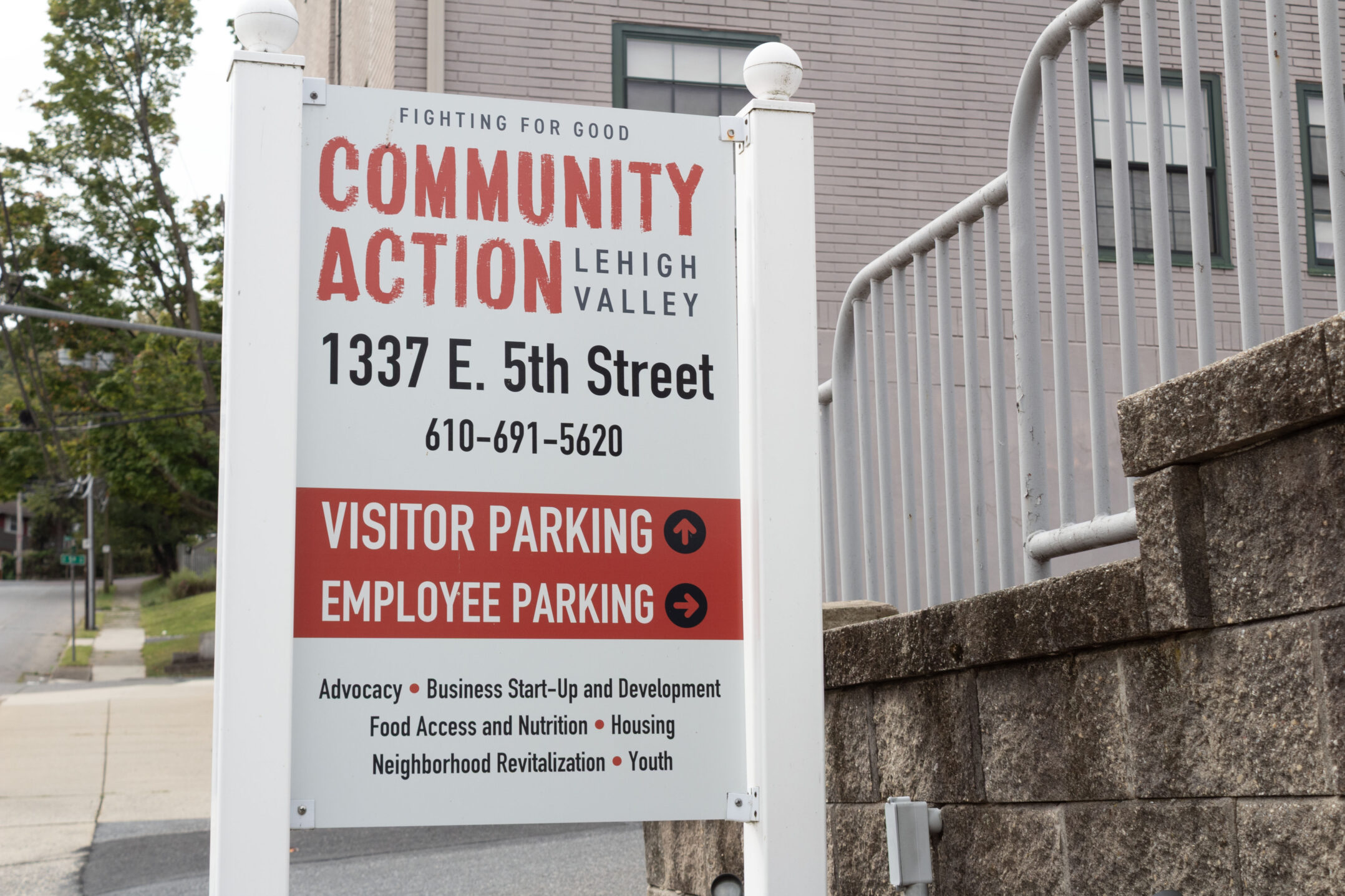
Dawn Godshall, the CEO of Community Action Lehigh Valley, said the South Side nonprofit serves more than 200 food pantries across six counties, including Second Harvest. More than 100,000 people each month in the Lehigh Valley rely on its resources.
According to a press release from CALV, the proposed fiscal 2026 federal budget would reduce or eliminate several key food programs, including a $1.4 million cut to the Community Development Block Grant, a $1.2 million cut to the Local Food Purchasing Agreement, reductions to the Emergency Food Assistance Program and a $95,000 cut from the SNAP-Ed program that provides nutrition education to those eligible for the Supplemental Nutrition Assistance Program.
Godshall said 40% to 50% of Second Harvest’s funding comes from federal, state and county sources.
At the same time, Pennsylvania’s unresolved state budget is delaying reimbursements for nonprofits. Godshall said CALV is waiting on nearly $500,000 in government contracts that have already been spent.
“We’ve already spent hundreds and thousands of dollars in government grants awarded to us,” Godshall said. “But until the state passes their budget, we can’t invoice for those funds that we’re owed, that we have already spent.”
Wassel said without initiatives like the Local Food Purchasing Assistance program, which funds local farmers to supply food to food banks, Second Harvest has fewer resources to buy fresh food.
The food bank once purchased produce and proteins from 40 local farmers, but without the grant, she said it can’t afford to continue.
The cuts are affecting more than families, also weakening the region’s agricultural economy as farmers lose business when food banks scale back purchases.
Paula Johnson, the executive director of the Northeast Community Center, said neighborhood centers are also feeling the strain. She said they had to eliminate a full-time position in December 2024, in favor of a part-time replacement.
“We are relying on volunteers, which we have always done, even when money was fantastic,” Johnson said. “In general, the public is scared, worrying about their own SNAP benefits, insurance cuts and things like that. (They) are being more conservative with donations to food pantries.”
She said some clients must walk to pantries because they don’t own cars, while others buy cheaper, less-healthy food to stretch their budgets.
Johnson said the Northeast Community Center has seen an increase in people using their services.
That increase is reflected across the region. According to CALV’s annual reports, from fiscal years 2021-22 to 2023-24, the nonprofit’s food distribution rose from 10.9 million pounds to 15.9 million pounds. In the past fiscal year, Second Harvest served an average of 89,300 individuals each month, including 24,100 children and 14,000 seniors.
Staffing is also suffering. Godshall and Wassel both said CALV and Second Harvest have laid off full-time employees, while others have taken on extra responsibilities to cover employment gaps.
Godshall said morale is also being impacted.
“We are trying to be transparent with staff and make sure that they are personally okay,” Godshall said.
Johnson said families could also lose access to heating support and housing assistance. Smaller nonprofits may not survive prolonged delays, leaving fewer resources in a region where demand continues to grow.
For now, Wassel said Second Harvest relies on grocery store donations, food drives and volunteers to keep shelves stocked and operations flowing. They’re also increasing efforts toward grant applications to supplement the federal fiscal losses, but leaders warn those efforts can’t replace the millions of dollars in federal and state support at risk.
“Hunger knows no face,” Wassel said. “(Food) tends to be the first thing people forgo when they are in need.”
Comment Policy
Comments posted to The Brown and White website are reviewed by a moderator before being approved. Incendiary speech or harassing language, including comments targeted at individuals, may be deemed unacceptable and not published. Spam and other soliciting will also be declined.
The Brown and White also reserves the right to refuse the publication of entirely anonymous comments.