



The Pennsylvania Senate passed a bill proposing to impose a “bell-to-bell” phone ban in K-12 schools that will go into effect if approved by the House.
“Bell-to-bell” means students wouldn’t be allowed to use their phones from the first bell of the school day until the last.
Senate Bill 1014, passed on Feb. 3, states students wouldn’t have access to their phones at any point during the school day, though districts would develop their own enforcement policies, including where devices would be stored.
Exceptions include technology use for certain medical conditions, translation purposes, during field trips and science fairs.
Maureen Leeson, the Bethlehem Area School District assistant superintendent, said the bill would take effect in the 2027-28 school year.
Currently, the Bethlehem Area School District operates under an updated electronic device policy that prohibits phones and outside electronics during instructional periods for K-12 students. High school students may use their phones outside class periods.
Leeson said the district updated its policy last year — the first change since 2004 — to adapt to the impact of technology on learning in 2025.
She also said since implementation, administrators have observed no phones or other electronics 96% of the time during 4,500 classroom visits since this school year.
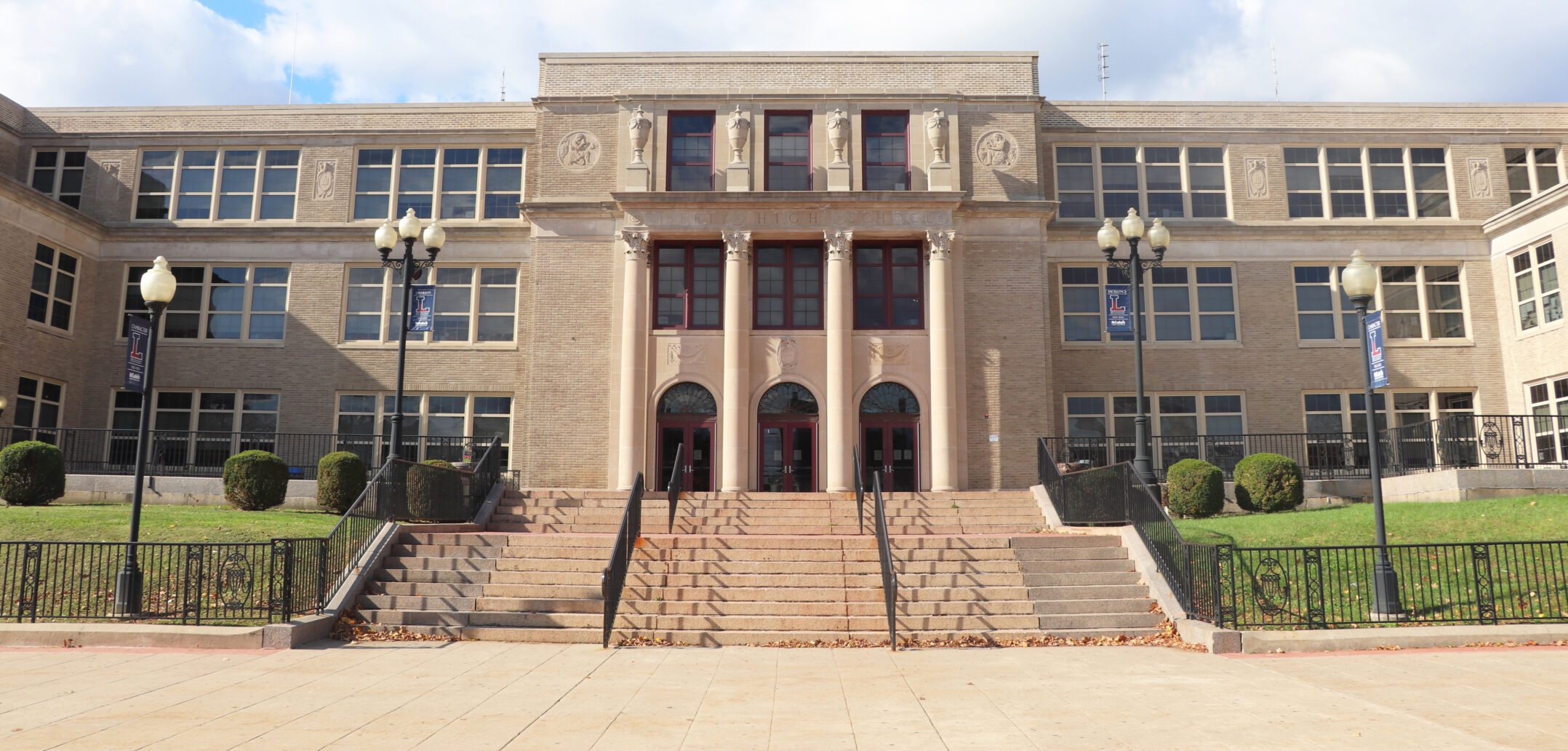
Brandon Horlick, the Liberty High School principal, said he and teachers have noticed significant changes in student engagement and the school’s social atmosphere.
“When you go into the classroom, you rarely see students using a device and you see a lot more engagement,” Horlick said. “Some teachers have said that it feels like they can teach again.”
Both Horlick and Leeson said consistency is key for the policy to work. Expectations must be the same in every classroom for the system to function effectively.
At Freedom High School, Principal Laurie Sage said a phone policy had already been in place for the past several years, but the district’s updated policy provided stronger administrative backing and support.
Sage said Freedom has seen changes under both policies, including students being more social in class and spending less time out in the hallway or bathrooms.
“Since we’ve limited phone usage (outside of classroom and instructional settings), the revenue we’ve seen from the vending machines has gone down significantly, around 75%, so we can track phone use by means of that data as well,” Sage said.
While developing its policy, the district frequently communicated with parents and students to address concerns. Leeson said many parents expressed worries about safety.
“For a lot of parents, their greatest concern about their child having their cell phone is being able to contact them in the event of an emergency and we respect that,” Leeson said.
Horlick said with a bell-to-bell policy, safety and enforcement feasibility are concerns legislators should explore. Monitoring thousands of high school students’ electronic usage from arrival to dismissal would be extremely difficult, he said.
“Electronic devices are not going away, so we can’t pretend that they don’t exist in school,” Horlick said. “I feel we have an obligation in high school to teach students how to own and use them appropriately. We’re doing students a disservice if we require students to turn electronic devices in during the school day because that just is not a reality in the real world, and our job is to prepare them for life after high school.”
Sage said logistics also present challenges, particularly at the high school level. She said the district doesn’t expect additional funding to support implementation, raising concerns about where thousands of phones would be stored during the school day and how schools would obtain storage cases for roughly 2,000 devices.
Christopher Borick, a Lehigh professor who researches public opinion and policy and serves as director of the Muhlenberg College Institute of Public Opinion, said effective legislation must respond to community needs and concerns.
He said consulting parents and students is integral for legislation that will broadly affect families.
“The reality is, students have a degree of agency especially as they get closer to being adults, and I think it’s an error to not bring those perspectives into the conversation,” Borick said. “If you have students play a role in the development of the policy, there’s more ownership and more likelihood that they will accept and believe the policy is legitimate.”
Both Horlick and Sage said their schools consulted students and parents when implementing phone policies and gathered feedback through those conversations.
Borick said unlike many other issues, such as curriculum and nutrition, phone restrictions tend to draw bipartisan support. He said the issue crosses traditional boundaries and doesn’t generate the same level of intense partisan division seen with many other policy debates. As a result, he said, it may be more achievable in states like Pennsylvania, where cooperation between parties is necessary because no single party holds dominant control.
He also said legislation should be developed carefully but in a timely manner.
“Schools are public and that makes them some of the first places that you’ll see policy decisions,” Borick said. “You can’t regulate what parents feed their children, but you can in school. It’s the same thing with phones.”
Comment Policy
Comments posted to The Brown and White website are reviewed by a moderator before being approved. Incendiary speech or harassing language, including comments targeted at individuals, may be deemed unacceptable and not published. Spam and other soliciting will also be declined.
The Brown and White also reserves the right to refuse the publication of entirely anonymous comments.