



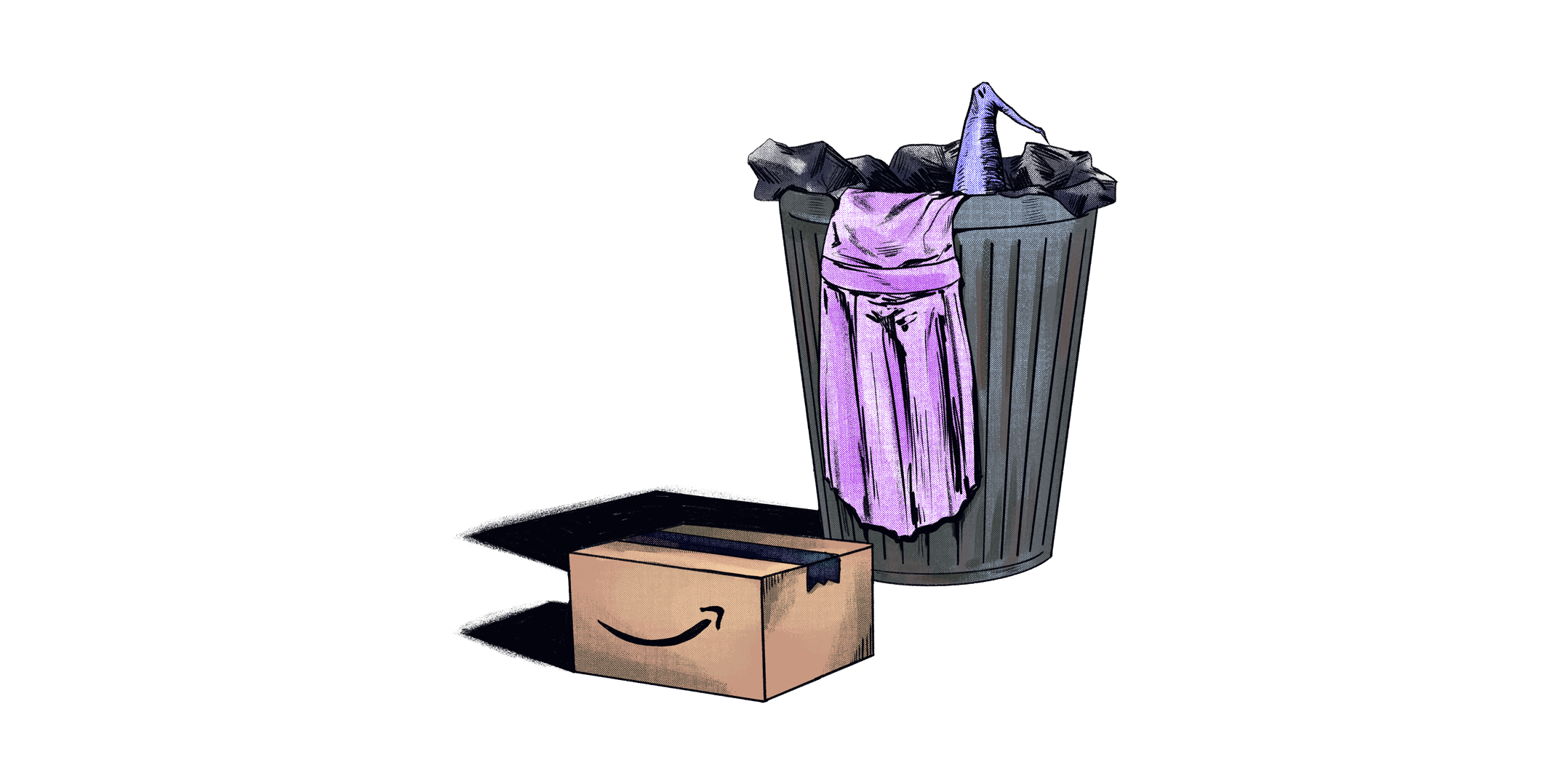
Halloween is only one day of the year, but for many college students, celebrations last all weekend.
Many students feel the pressure to purchase multiple costumes, each requiring its own unique clothing and accessories.
Between scrolling through Pinterest and TikTok for inspiration and searching Amazon for the perfect pieces, it’s easy to spend more money than expected.
But once the pictures are posted and Halloween is over, many of those purchases are shoved in the back of a closet, forgotten until the next cleanout.
According to ABC News, Americans spend an average of $52.47 on one Halloween costume. For students putting together multiple costumes, that price can add up quickly.
On a larger scale, the National Retail Federation estimates Americans will spend $13.5 billion on Halloween in 2026, including costumes, candy and decorations. That’s billions of dollars spent to prepare for a singular day.
The convenience of online shopping only encourages this spending.
Instead of trying to work with something already in their closet, students can purchase anything they need and have it delivered within days. It solves the costume problem quickly, but can also result in buying clothes with only one occasion in mind.
Saving money is only part of the reason to rethink Halloween shopping. The habit of buying clothes and accessories for just a few hours of wear also creates unnecessary waste.
Sustainable fashion advocate Lexy Silverstein told CBS News that Americans throw away 35 million Halloween costumes every year, the equivalent of 83 million plastic water bottles.
That number makes a $15 Amazon purchase seem a little more harmful.
Reducing waste doesn’t mean giving up on buying Halloween costumes altogether. If a corset, T-shirt or pair of boots will be worn again, buying it might make sense.
Living around other students makes borrowing and swapping costumes easier. A friend’s closet might have the exact top needed to complete a costume.
Your own closet might have a similar piece you were looking for on Amazon.
It’s about being more intentional before hitting “buy now.”
The culture of consumerism surrounding Halloween enhances the societal pressure to have the latest costume, or dress up as a character on a popular TV show.
What happened to homemade or pieced together costumes?
While Halloween isn’t surpassing Christmas in spending, gifts on other holidays are often used for days, weeks and years to come — not hitting the landfill the next morning.
Before ordering something, consider whether it could be worn again.
Ask a friend if they already own something similar. Swap costumes from previous years or get creative with clothes already in your closet.
Rather than throwing away a costume after wearing it, consider donating it for someone else.
As students get older, there are everyday expenses and other things worth saving for, making purchasing multiple new outfits for a weekend harder to justify.
There’s nothing wrong with wanting to dress up, take pictures and enjoy Halloween weekend. But the fun shouldn’t have to come with the increase in pollution every October.
Halloween isn’t the only occasion of unnecessary consumerism. Whether it’s a birthday dinner, a themed party or a night out, it’s easy to convince ourselves that what we already own isn’t enough.
Halloween comes once a year, but the impact of single-use shopping stays with us long after the costumes are thrown away.
And that may be the biggest scare of the holiday.
Comment Policy
Comments posted to The Brown and White website are reviewed by a moderator before being approved. Incendiary speech or harassing language, including comments targeted at individuals, may be deemed unacceptable and not published. Spam and other soliciting will also be declined.
The Brown and White also reserves the right to refuse the publication of entirely anonymous comments.